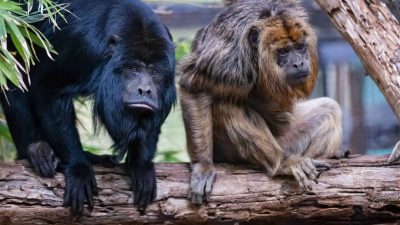

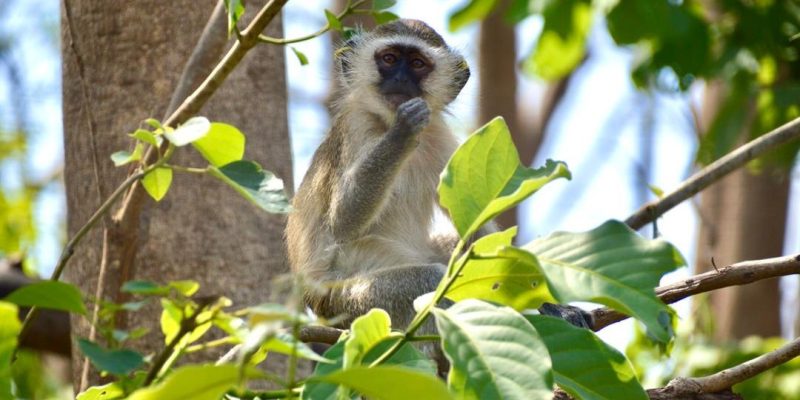
A whole troop of vervet monkeys went back into a Malawian national park after years of preparation, and the Lilongwe Wildlife Trust tracked them for three days afterward to watch them forage and explore. Many of them arrived at the Lilongwe Wildlife Centre as orphans, their mothers killed for bushmeat or in conflict with people.
The trust published the account on April 8, 2026. It is a small story told carefully, and the care is the point: a full-troop release is one of the hardest things a primate rehabilitation center attempts.
Years, not weeks
The work started after a previous release, when staff identified the next group of monkeys that could go as a unit. Full health checks came first, routine for every primate at the center. Then the troop moved into a purpose-built enclosure planted with indigenous trees, where they could learn the seed pods and wild fruits they would meet outside.
Only once the group’s behavior and cohesion held up did the trust build the final pre-release enclosure, inside a national park. Release sites are chosen on tree cover, food and water, and the effect on the wildlife already living there. The enclosure itself uses flat-pack panels so it can be taken down and used again, which is a quietly sensible piece of design for an organization that expects to do this more than once.
The troop spent weeks there getting used to the sounds of a place none of them had lived in. Staff watched for stress, and for the two behaviors that decide whether a rehabilitated primate survives: whether the monkeys give proper alarm calls, and whether they respond to a predator when they see one. The release itself waited for the rainy season, when food and water are easy to find.
Then the doors opened, and the whole troop went out together.
What has happened since
Nothing published. The trust’s newsroom has run several items since April, most recently on September 2, 2026, and none of them mention this troop. We flag that rather than leaving the release to read as a permanent happy ending. Post-release monitoring beyond the first three days is not something the account describes, and we do not know how the animals are doing now.
The vervet, Chlorocebus pygerythrus, was most recently assessed for the IUCN Red List in 2024 and is listed as Least Concern, with a decreasing population trend. That matters for how you read the story. This is not species recovery. Releasing a troop of common monkeys does nothing measurable for the global population, and the trust does not claim otherwise. It is welfare work, done properly, on animals that were orphaned by people.
The funder trace, and a pointed contrast
We look for the accredited zoos and aquariums behind conservation work in this region before we write it up. For the Lilongwe Wildlife Trust, the answer is that there are none.
The trust publishes an unusually full donor and partner list: twenty-eight named donors, including the Animal Welfare Institute, the Beit Trust, the Elephant Crisis Fund, Fondation Ségré, the Pangolin Crisis Fund, Tusk Trust and the Wildcat Foundation, plus a further thirty partner organizations and fourteen Malawian government bodies. There is not a zoo, an aquarium or a zoological society anywhere on it. The Born Free Foundation is on the donor list, and the Lilongwe Wildlife Centre also holds accreditation from Born Free’s PAW initiative, the Global Federation of Animal Sanctuaries and the Pan African Sanctuary Alliance. Those are sanctuary accreditations, which is a different kind of relationship from a zoo writing a check.
Compare that with the vervet troop Game Rangers International released into Kafue in Zambia in September. Nearly the same story, one country over, and that one has a zoo in it: Colchester Zoological Society funds Game Rangers International, itemized down to a keeper’s wage. Two neighboring countries, two orphaned-primate releases, and the zoo money reaches one of them and not the other.
The Association of Zoos and Aquariums reports that in 2025 its 235 accredited and certified facilities spent approximately $372.4 million on conservation across 139 countries. No published breakdown isolates the African share and we will not estimate one. But the shape of this pair of stories is worth noticing: which African rehabilitation centers end up with a line in a zoo’s conservation budget looks less like a judgment on the work and more like an accident of who knows whom.
Quick answers
- What happened?
The Lilongwe Wildlife Trust released an entire troop of vervet monkeys into a Malawian national park and tracked them for three days afterward. Many of the animals came to the Lilongwe Wildlife Centre as orphans after their mothers were killed for bushmeat or in conflict with people. The trust published the account on April 8, 2026.
- How long does a full-troop release take to prepare?
Years. Health checks for the whole troop came first, then a special enclosure planted with indigenous trees so the monkeys could learn wild foods, then a final pre-release enclosure built inside the national park itself, where they spent weeks adjusting. Staff watched for stress, alarm calls and predator responses before opening the doors, and waited for the rainy season so food and water would be easy to find.
- How are the monkeys doing now?
Unknown. The trust tracked the troop for three days after release and has published nothing about them since; its newest item is dated September 2, 2026. We report that rather than letting the release read as a settled happy ending.
- Is the vervet monkey endangered?
No. Chlorocebus pygerythrus was most recently assessed for the IUCN Red List in 2024 and is Least Concern, though the population trend is decreasing. This is welfare and rehabilitation work rather than species recovery, and the trust does not claim otherwise.
- Which zoo or aquarium funded it?
None. The Lilongwe Wildlife Trust publishes twenty-eight named donors, around thirty partner organizations and fourteen Malawian government bodies, and not one is a zoo, an aquarium or a zoological society. The Lilongwe Wildlife Centre holds sanctuary accreditation from Born Free's PAW initiative, the Global Federation of Animal Sanctuaries and the Pan African Sanctuary Alliance, which is a different kind of relationship.