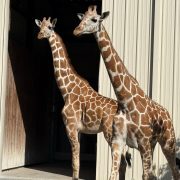

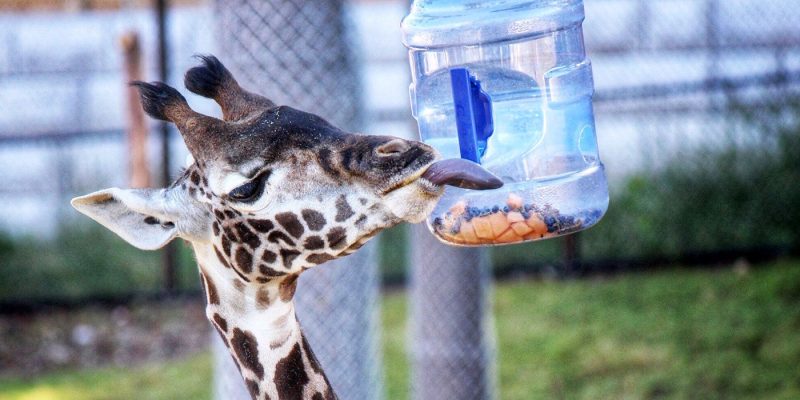
Seneca Park Zoo has been designated by the Masai giraffe Species Survival Plan as a specialized training and holding facility for male giraffes, a role that turns on how hard giraffes are to train.
The SSP manages genetically diverse populations across zoos accredited by the Association of Zoos and Aquariums, coordinating breeding recommendations and transfers. The Rochester zoo was picked largely on the strength of its training program.
What giraffe training actually looks like
Giraffes are among the harder animals to train, cautious by nature and slow to trust. The zoo argues that being small is an advantage here, because a small, experienced animal care team can give individual animals the time that kind of work takes.
The result is giraffes that take part in their own healthcare. They lift their hooves for hoof care, present parts of their bodies for ultrasound, stand for blood draws, and allow facial radiographs, all without anesthesia. That lowers stress for the animal and lets staff do preventative work that would otherwise require sedation.
Why Canada is the reason
The designation is also geographic. Seneca Park Zoo sits close to the Canadian border, which matters because of a population imbalance the SSP is trying to correct.
There are currently more male Masai giraffes in the United States than American facilities can house long-term, while several Canadian facilities need males. Preparing and moving those animals is the specific job the zoo has taken on, and its training program is what makes an individual giraffe ready to travel.