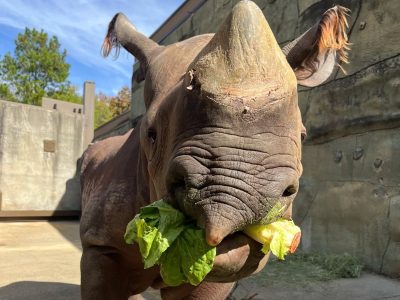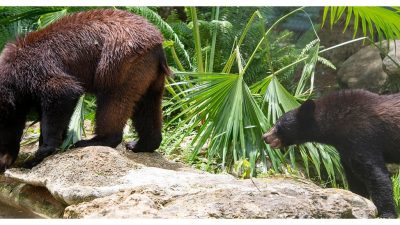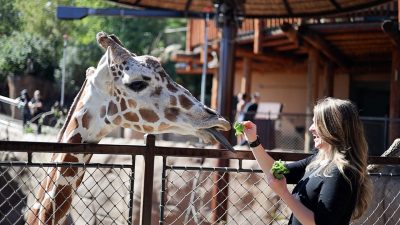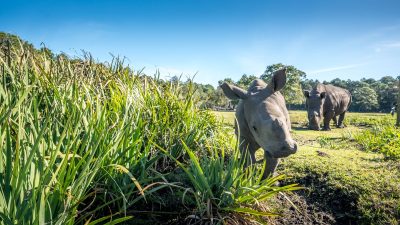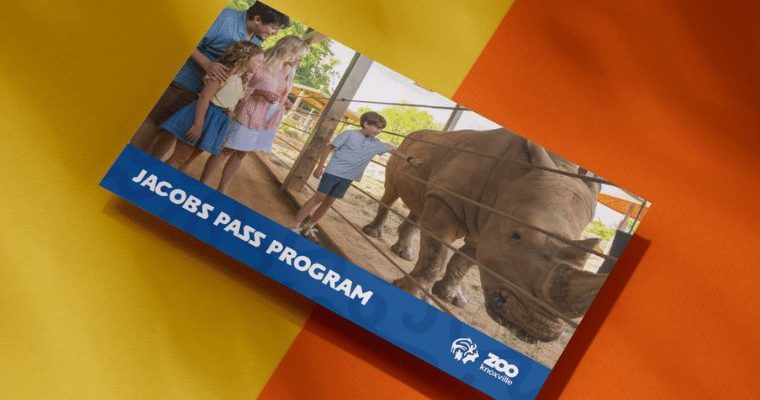
Every school in Knox County, Tennessee, is getting a zoo pass. One pass each, kept at the school, checked out by families the way a library book is checked out, and good for free admission and free parking for up to two adults and six children.
Zoo Knoxville calls it the Jacobs Pass Program, and it is new. The pass is named for Glenn Jacobs, a longtime supporter of the zoo, and when a family is finished with it they return it to the school so the next family can take a turn.
Why build it as a lending library instead of a giveaway?
Because the constraint a program like this is actually fighting is not ticket price alone. It is the moment of decision. A coupon in a backpack expires, gets lost, or arrives in a week when nobody can go. A pass that lives at the school and comes back is a standing offer: it is there in March, and it is still there in July, and the family that could not go this month can take it next month.
It also removes the second cost that keeps people home. Parking at a zoo is a real number, and a program that covers admission but leaves a family to find the parking fee has not finished the job. This one covers both.
“Glenn has been a tremendous supporter of Zoo Knoxville and has always recognized the importance of investing in our community’s children. We wanted to honor that dedication in a way that will continue to make a difference for local families and give them the chance to discover the wonders of wildlife with the people they love.”
That is Bill Street, president and chief executive of Zoo Knoxville. Jacobs has worked on this ground before: through One Book Read City he has backed literacy programming aimed at getting Knox County students learning outside the classroom.
What does the zoo expect to come of it?
Time outdoors, and the zoo is explicit that this is the point rather than a nice side effect. It cites research showing that time spent in nature supports children’s emotional wellbeing, helps them regulate emotions and behavior, and contributes to physical and mental health. The program is built to put more children in reach of that.
Each school decides how to hand its own pass out. That is a small detail with a large consequence, because a school knows which families would use it and a central office does not.
It is worth saying plainly what this costs the zoo: admission revenue and parking revenue, from the families most likely to visit for the first time. Zoos talk a great deal about access. A pass in every school is the version of that sentence with a number attached, and it is the kind of thing that tends to run once in a local paper and then disappear. Zoo Knoxville’s own announcement of the program is the full account.
The zoo has had a busy year in its own right, including the arrival of an albino American alligator named Elsa. The Jacobs Pass is the less photogenic half of what a zoo does, and it is the half that decides who gets to see the rest of it.
Quick answers
- What is the Jacobs Pass Program at Zoo Knoxville?
A new program giving every Knox County school a single shared pass to Zoo Knoxville. Families check it out like a library book, use it, and return it to the school for the next family.
- Who can use a Jacobs Pass and what does it cover?
Up to two adults and six children per visit, with free admission and free parking included. Each school decides how to distribute its own pass.
- Who is the Jacobs Pass named after?
Glenn Jacobs, a longtime supporter of Zoo Knoxville whose other work in the county includes backing the One Book Read City literacy program.