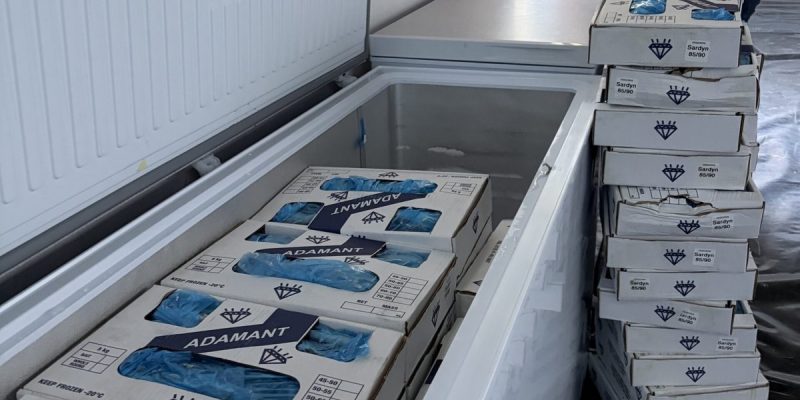
Five days ago the African Penguin and Seabird Sanctuary at Gansbaai said it was taking in starving African penguins faster than it could buy fish to feed them, and that its usual sardine supplier had none. On November 18 the Dyer Island Conservation Trust, which runs the sanctuary, said the money for a tonne of sardines and three freezers to keep them in was on its way, sent by two people the trust met on holiday four years ago.
What was asked for, and what arrived
The appeal was specific, which is why it could be answered. The trust had found one supplier still holding a tonne of sardines and needed roughly R39,100 to buy it, plus three freezers with somewhere to put them. Some of the birds coming in weigh as little as 950 grams. They are young adults that should be at sea feeding and are instead being carried in off the beach, and the rescue team covers a long stretch of the Western Cape coast, from Kleinmond in the west to Stilbaai in the east.
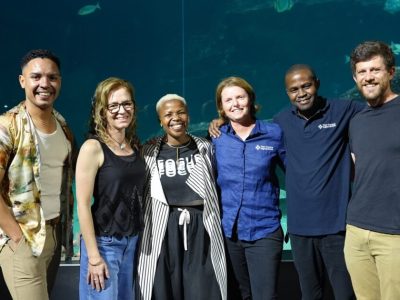
The answer came by email from Shannon and Kruger du Plessis, who are funding the sardine purchase and the three freezers through their organization, the KruShan Foundation. The trust first met them four years ago, when Kruger, who is South African, brought his American wife to visit. The trust describes them as having become supporters of African penguin conservation after learning about the species, and says their money is now on its way.
That last point is worth keeping straight. The trust’s wording is that the money is on its way, not that the fish is in the freezer. What has happened is that a purchase that could not be made on Friday can be made now.
The fish itself is being bought from SANCCOB, the South African Foundation for the Conservation of Coastal Birds, which is the country’s other major seabird rehabilitation organization and the one holding stock when the commercial supplier did not. That is worth noticing on its own. In a bad sardine year the rehabilitation centers end up supplying each other.
Why one tonne of fish is a conservation story
Because feeding is the whole treatment. A starving penguin needs warmth, fluids, care for whatever else is wrong with it, and a very large quantity of fish over several weeks. Everything except the fish is within a sanctuary’s control. A seabird hospital with no sardines is not a hospital that is running slowly, it is one that cannot admit.
And the freezers matter as much as the fish, which is the part that sounds like logistics and is not. A tonne of frozen sardines has to be held at temperature from the day it is bought until the last bird eats it. Without the cold chain the trust could not accept a tonne even if someone gave it away.
The African penguin, Spheniscus demersus, is listed as Critically Endangered on the IUCN Red List. The trust describes the species as critically endangered, which matches the assessment exactly, and we note that because facilities more often overstate a listing than get it right on the nose. The food shortage behind this appeal is the same pressure that moved the species into that category: when sardines are scarce in the water, the birds that cannot find them turn up on beaches, and the sanctuary is the end of that chain.
Which zoos or aquariums paid for this?
None, on this one. The money for the sardines and the freezers came from a private foundation set up by two individuals, not from a zoological institution, and the trust names no zoo, aquarium or professional association anywhere in its account. We went looking and found nothing to report, which is a real finding rather than a gap in our reporting.
It is also not the whole picture of this trust’s support, only of this purchase. Accredited institutions are demonstrably behind other parts of its work: the Dyer Island Conservation Trust’s published supporter list for its artificial penguin nest program names the Dallas Zoo Association, Columbus Zoological Park, Henry Vilas Zoo, Metro Richmond Zoo, Denmark’s Den Bla Planet and the Two Oceans Aquarium in Cape Town, among others. What this week shows is narrower: when a seabird hospital ran out of fish in the middle of November, the thing that fixed it was a private donation and a sister rehabilitation organization with stock, and the zoo sector was not in the transaction.
AZA reported that 235 facilities spent roughly $372.4 million on conservation across 139 countries in 2025. There is no published breakdown isolating the African share of that, so we do not print one, and a figure that large tells a reader nothing about whether a specific sanctuary can buy fish this week. This one could not, until Wednesday.
Quick answers
- What did the African Penguin and Seabird Sanctuary need?
Roughly R39,100 to buy a tonne of sardines from the one supplier still holding stock, plus three freezers to store them. Its usual sardine supplier had none, and the sanctuary was admitting starving penguins faster than it could buy fish.
- Who paid for it?
Shannon and Kruger du Plessis, through their organization the KruShan Foundation. The Dyer Island Conservation Trust says it first met them four years ago and that the money is on its way. The sardines are being bought from SANCCOB.
- How bad is the food shortage?
Some birds arriving at the sanctuary weigh as little as 950 grams. They are young adults that should be at sea feeding. The rescue team covers the coast from Kleinmond in the west to Stilbaai in the east and says it gets calls daily from the public.
- Is the African penguin endangered?
It is listed as Critically Endangered on the IUCN Red List. The trust uses the same wording, which matches the assessment.
- Did any zoo or aquarium fund this purchase?
No. The money came from a private foundation, and the trust names no zoo, aquarium or professional association in its account of it. Accredited institutions do support other parts of the trust's work: its artificial penguin nest program lists sponsors including the Dallas Zoo Association, Columbus Zoological Park, Henry Vilas Zoo, Metro Richmond Zoo, Den Bla Planet and the Two Oceans Aquarium.