
AZA has been accrediting zoos since 1974. In that time, four organizations have ever received a completely clean report of inspection. Cheyenne Mountain Zoo is the first to do it twice in a row.
The zoo announced on July 27, 2026 that its latest reaccreditation inspection produced a report with not one concern in it. Its previous one, in 2021, was also clean, making it the fourth organization to manage that at all.
What gets inspected
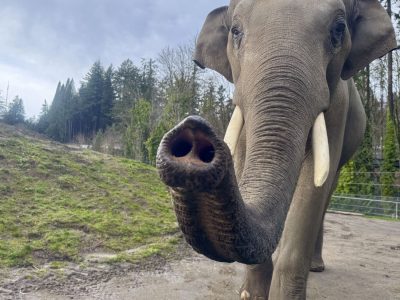
AZA reaccreditation happens every five years and takes three days on site. The zoo’s description of the scope is worth quoting in full because people tend to imagine it is about enclosure size:
“the intense three-day review of everything at the Zoo from elephant care management programs to staff culture, to medicine management at the veterinary hospital, and so much more, not a single concern was included in the report.”
Cheyenne Mountain Zoo
Staff culture is on that list alongside pharmacy controls. The Accreditation Commission is sixteen trained experts, and roughly 10 percent of the nearly 2,150 animal exhibitors licensed by the U.S. Department of Agriculture hold AZA accreditation. The formal award comes at a hearing in September.
Why zero findings is unusual
A clean report does not mean an inspector found nothing to talk about. It means the commission wrote no concerns into the record, which for a facility of this size, with elephants, a veterinary hospital and a hundred years of accumulated infrastructure, is close to statistically improbable.
Cheyenne Mountain has been continuously accredited since 1983.
What the inspectors actually praised
The published inspector comments single out the zoo’s willingness to be wrong.
“The team’s willingness to thoughtfully test new ideas and embrace calculated risks has resulted in meaningful innovations that enhance animal welfare. Equally commendable is their culture of continuous learning, openly evaluating outcomes, acknowledging when an approach does not achieve the intended results, and adapting based on evidence.”
AZA Accreditation Commission inspectors
That is a specific thing to commend, and it is rarer in this industry than it should be. An institution that documents what did not work is an institution other institutions can learn from.
The inspectors also praised the grounding of animal care decisions in each species’ natural history and behavioral ecology, calling it a model that is shaping how enrichment, training and habitat design get developed and evaluated.
New leadership, same result
Dave Ruhl was vice president of operations during the 2021 inspection and became president and CEO in June 2026. He credits chief operating officer Jeff Halter and vice president of facility operations Justin Weis.
“Inspectors from some of the most respected zoos in the country spent three days looking closely at everything we do, and their feedback was filled with praise for our people, our culture, and the work happening across CMZoo. I could not be prouder of this team!”
Dave Ruhl, president and CEO, Cheyenne Mountain Zoo
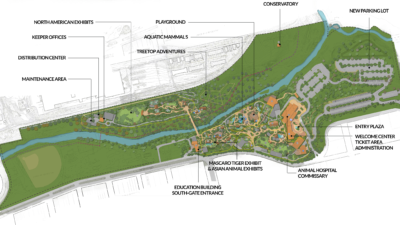
The commission’s comments on the leadership transition note that Ruhl and Halter brought staff into the development of the strategic plan and master plan, which the visiting team called a transparent and collaborative approach.
It lands in a heavy year. The zoo turns 100 in 2026 and opens its 40 million dollar Giraffe Center on September 15.
Source: Cheyenne Mountain Zoo; Association of Zoos and Aquariums.