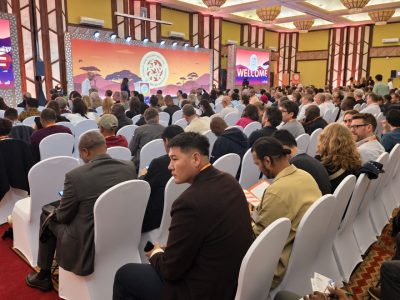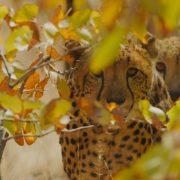

If you want to know whether a dryland is healthy, count the cheetahs on it. That was the argument Cheetah Conservation Fund founder Dr. Laurie Marker put to delegates at the United Nations Convention to Combat Desertification in Ulaanbaatar, Mongolia, in August 2026, and it is the thread running through an essay she published on 6 October setting out what three decades in Namibia have taught her about farmers, livestock and predators sharing the same ground.
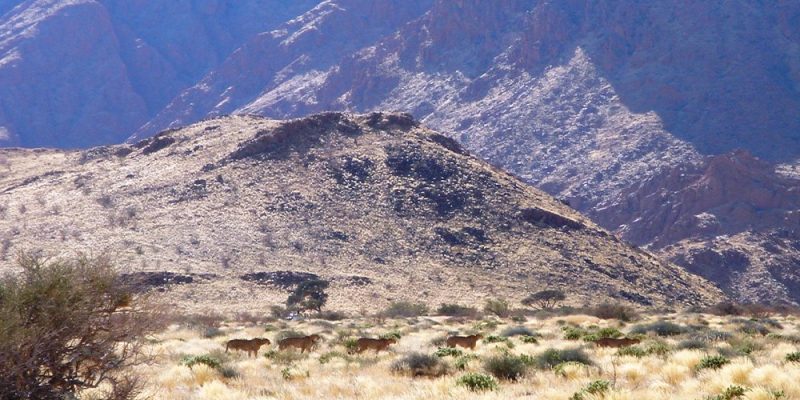
The case is not sentimental. The cheetah (Acinonyx jubatus) is a wide-ranging animal that needs open, connected country and enough wild prey to hunt. Where that country is intact, cheetahs persist. Where grass gives way to thornbush and wild prey thins out, cheetahs turn to livestock, farmers lose income, and cheetahs get killed. Marker’s point is that the conflict is a symptom and the cause sits underneath it: land that can no longer feed both livestock and wildlife.
Why does this come back to farmland rather than parks?
Because that is where the animals are. About 80 percent of the world’s remaining wild cheetahs live outside protected areas, on farmland and communal rangeland. A national park strategy, on its own, does not reach four out of five of them.
Ten days before the Mongolia address, Marker chaired a national meeting in Windhoek convened by the Large Carnivore Management Association of Namibia with WWF Namibia. More than 40 people took part, drawn from government, farming, conservancies, hunting, tourism and research. New estimates discussed there put Namibia’s cheetah population at about 1,200, a figure ZooReviews covered when the association released its large carnivore estimates in September.
The meeting’s conclusion was blunt, and Marker reports it as a priority she has pressed for years: protected areas alone cannot secure wide-ranging carnivores, and the cost of conserving wildlife on working land should not fall mainly on households, farms and conservancies.
What does a working landscape actually require?
Marker’s answer is a set of tools built with Namibian farmers rather than for them, and she is candid that each one solves only part of the problem.
The Cheetah Conservation Fund has placed nearly 850 livestock guarding dogs with farmers since 1994, and losses drop sharply on the farms where they work. Future Farmers of Africa, modeled on the Future Farmers of America training Marker went through as a teenager, teaches herders predator-friendly husbandry farmer to farmer. A Model Farm runs goats, sheep and cattle as a going concern with predators on the land. Bush thinning restores grassland, and the harvested thornbush is turned into Bushblok, a clean-burning fuel.
The piece Marker is proudest of is the one that paid farmers directly. Cheetah Country Beef was built with Namibian farmers on an idea borrowed from dolphin-safe tuna: an eco-label telling buyers the meat came from farms that live with predators, returning a price premium to those farms. It reached export markets. The organization went on to become a founding member of the Wildlife Friendly Enterprise Network, and runs the Dancing Goat Creamery on the same logic.
How bad is the underlying land problem?
Marker puts the rangeland figures plainly: half of the world’s rangelands are degraded, they underpin roughly a sixth of global food security, and a third of land carbon sinks are weakening. Against that, she gives the cheetah’s own position as fewer than 7,000 remaining in the wild across just 9 percent of the species’ historic range.
A note on that number, because it is the kind of figure that hardens as it travels. The IUCN Red List assesses the cheetah as Vulnerable, a category we confirmed through two independent mirrors of the assessment data after the Red List’s own site refused both of our machines. The range-wide population figure, though, is the Cheetah Conservation Fund’s, and the organization is unusually open about why: the estimate moves as researchers across the range states pool their data every few years and learn more about where cheetahs actually live. We were not able to open the underlying Red List assessment ourselves, so we are not putting an IUCN population figure or an assessment year beside it. The category is the part we can stand behind.
Which zoos are behind this work?
We looked, because that is the question this publication asks of every field organization it covers, and the answer here is a partial one.
The zoological world is visibly present in the Cheetah Conservation Fund’s governance. Dr. Suzan Murray, chief veterinarian and head of the department of animal health at the Smithsonian’s National Zoo, sits in its governance structure, as does Dr. Margarita Woc Colburn, an associate veterinarian at Nashville Zoo, and Dr. Tim Wacher, a wildlife biologist at the Zoological Society of London. Sean McKeown serves as Europe cheetah species coordinator for the Northern African cheetah.
That is expertise, and it is real. It is not funding. We found no accredited zoo or aquarium named as a funder of the rangeland and policy work described in this essay, and we are not going to imply one. The organizations Marker credits for the landscape argument are a farmers’ association, a conservation NGO and the delegates of a UN convention, and the piece is stronger for saying so.
The part a visitor would recognize
Marker grew up around horses, goats, rabbits and dogs, in 4-H, Pony Club and the Future Farmers of America, and she says those years taught her that land, livestock and the people who work them cannot be understood separately. When she started the Cheetah Conservation Fund in Namibia in 1990, most cheetahs in the country lived on the same farms where they were being trapped and shot. Moving them somewhere safe was not an option, so she went to work with the farmers instead.
Thirty-six years later the argument she is making in Ulaanbaatar is the same one, scaled up: where cheetahs and livestock share the land, the whole system is working. It is a good test precisely because anyone can apply it. Go and look for the cat.
Quick answers
- Why does Laurie Marker say cheetahs measure the health of a dryland?
Because cheetahs need large, connected, open country with enough wild prey. Where grass gives way to thornbush and wild prey thins out, cheetahs turn to livestock and get killed, so their presence tracks whether the land can still feed both.
- How many cheetahs live outside protected areas?
About 80 percent of the world’s remaining wild cheetahs live outside protected areas, on farmland and communal rangeland.
- How many cheetahs are in Namibia?
New estimates discussed at a September 2026 meeting convened by the Large Carnivore Management Association of Namibia with WWF Namibia put the national population at about 1,200.
- What is the cheetah listed as on the IUCN Red List?
Vulnerable. The figure of fewer than 7,000 cheetahs across 9 percent of the historic range is the Cheetah Conservation Fund’s own, and the organization notes it shifts as range-state researchers pool their data.
- What is Cheetah Country Beef?
An eco-label built with Namibian farmers on the model of dolphin-safe tuna. It told buyers the meat came from farms that live with predators and returned a price premium to those farms, and it reached export markets.
- Which zoos fund this work?
None that we could verify. Zoological staff from the Smithsonian National Zoo, Nashville Zoo and the Zoological Society of London sit in the Cheetah Conservation Fund governance structure, but we found no accredited zoo or aquarium named as a funder of the rangeland and policy work described here.