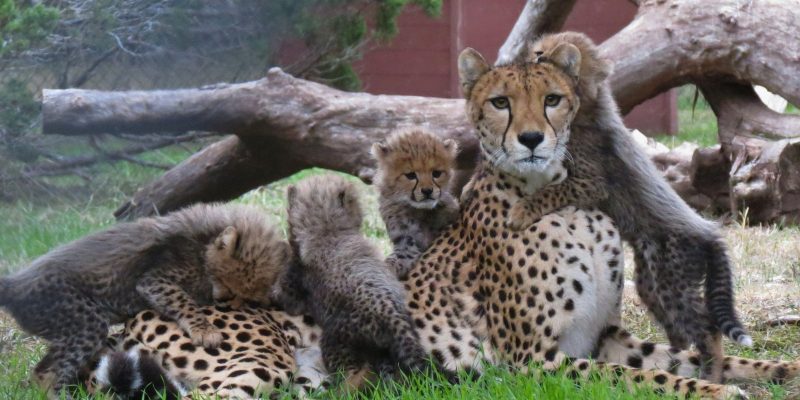
Fossil Rim Wildlife Center has received a 2026 Clarke Give to Tomorrow grant, and the money goes into the ground rather than onto a sign. The Texas center will rebuild fencing, shelter and the floor surfaces of its cheetah and black-footed cat yards, work that reaches 24 cheetahs, 9 black-footed cats and 14 acres of habitat.
What the grant actually buys
Three things, and the third is the interesting one.
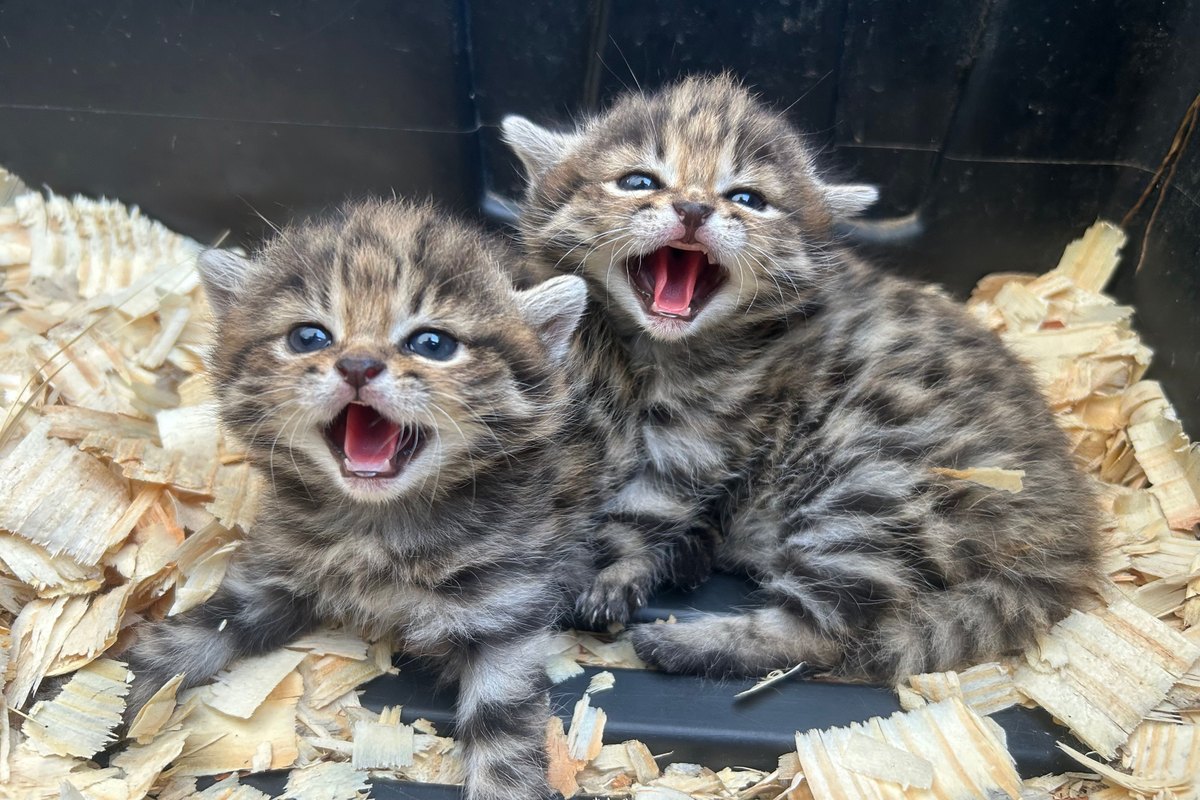
The first is fencing, replaced to keep the yards secure and adaptable as the program changes. The second is shelter built from materials that hold up to Texas weather and daily use. The third is substrate, which is the keeper’s word for the ground an animal lives on: the sand, soil, gravel or litter underfoot, chosen deliberately rather than inherited from whatever the site happened to be. Fossil Rim is specifying it by species, so that a cheetah has footing it can sprint on and a black-footed cat has material it can dig and stalk in.
That distinction is the whole argument for the project. A cheetah and a black-footed cat are both small-headed, spotted African carnivores, and almost nothing else about how they use a space is the same. One is built to run in a straight line across open ground. The other is a very small nocturnal hunter that spends its energy on stalking and digging rather than on speed. Give them the same dirt and one of them is living on the wrong surface.
The center says the upgrades will also make daily care safer and more efficient for the keepers, which is the part of a habitat rebuild that guests never see and staff feel every day.
Where the work happens
The 14 acres span two areas the center names: the Cheetah Hill facility and the Intensive Management Area. Fossil Rim, near Glen Rose in north central Texas, is best known to visitors as a drive-through where hoofstock come to the car window, and its carnivore work sits in these more closely managed spaces rather than along the public road. A grant that pays for fencing and footing in those yards is a grant for the part of the property most guests never drive past.
The track record behind the ask
More than 226 cheetah cubs have been born at Fossil Rim since 1986. The center is also home to the three oldest black-footed cats on human record, which is a claim about husbandry rather than about luck: these are small cats with a reputation for being difficult to keep well, and getting several of them into old age is the kind of result that takes decades of diet, space and veterinary work.
What does the Red List say about these two cats?
Fossil Rim describes cheetahs and black-footed cats as “threatened carnivore species,” and the assessments back that up. The IUCN Red List lists the cheetah (Acinonyx jubatus) as Vulnerable, and the black-footed cat (Felis nigripes) as Vulnerable as well. Vulnerable is the first of the three categories the Red List groups together as threatened, below Endangered and Critically Endangered, so the center’s wording is accurate and, if anything, less specific than it could be. Naming the category is worth doing because it is the number anyone can go and check.
Both species breed in managed populations, and the center ties the habitat work to that directly: better footing, better shelter and secure fencing are the conditions under which breeding recommendations actually produce animals.
A shared commitment, in the center’s words
“Clarke shares our core belief that the well-being of our planet depends on responsible, forward-thinking stewardship,” said Ashley Bevans, director of marketing and development at Fossil Rim. “We are proud to stand alongside Clarke in building a brighter future for wildlife.”
Fossil Rim has not published a dollar figure for the grant, and we are not going to estimate one. What the center has published is the scope, and the scope is specific enough to judge: two habitats, 14 acres, 33 cats, and a set of changes that will still be there in ten years.
Sources: the Fossil Rim Wildlife Center announcement of 16 November 2026, and the IUCN Red List assessments for Acinonyx jubatus and Felis nigripes. We have covered Fossil Rim’s black-footed cat kittens before.
Quick answers
- What will the Clarke Give to Tomorrow grant pay for at Fossil Rim?
Upgraded fencing, durable shelter materials built for Texas weather, and species-specific substrate, meaning the ground surface itself, chosen for how each cat moves. The work covers the Cheetah Hill facility and the Intensive Management Area.
- How many animals does the project reach?
24 cheetahs and 9 black-footed cats, across 14 acres of habitat.
- How are cheetahs and black-footed cats listed by the IUCN?
The IUCN Red List lists both as Vulnerable: the cheetah, Acinonyx jubatus, and the black-footed cat, Felis nigripes. Vulnerable is the first of the three categories the Red List groups together as threatened.
- How many cheetah cubs has Fossil Rim bred?
More than 226 since 1986. Fossil Rim is also home to the three oldest black-footed cats on human record.