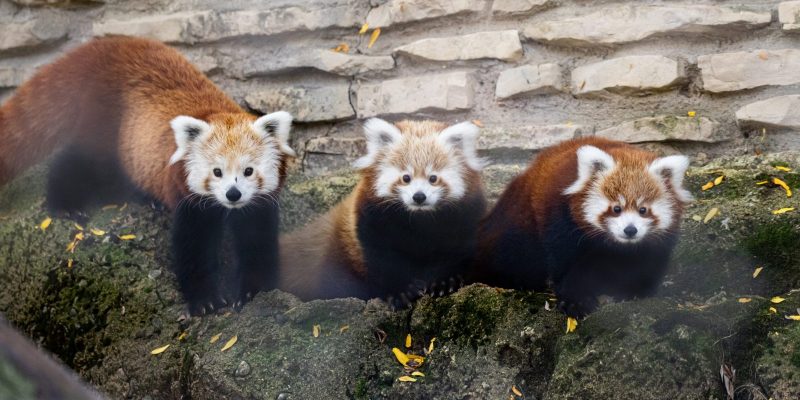
Both of the red panda cubs born at the Buffalo Zoo in June are female, and both are now out on habitat with their mother, which means visitors can finally see them. The zoo announced the pair’s sexes and their move outdoors together on October 7, after four months in a behind-the-scenes den.
The cubs were born on June 10 to three-year-old Himalaya and five-year-old Mogwai. They are the 14th and 15th red pandas born at the Buffalo Zoo in its history, and the second litter from this pairing in as many years.
Why did it take four months?
Because a red panda cub has to be able to climb before being outside is safe for it. Red pandas spend most of their lives above the ground, and the behind-the-scenes months are where a cub builds the mobility and the grip to handle a habitat with real height in it. The zoo’s animal care team kept the pair in the den area with Himalaya until they had those skills, and both are now reported to be climbing the trees and rocks in the outdoor space and following their mother around it.
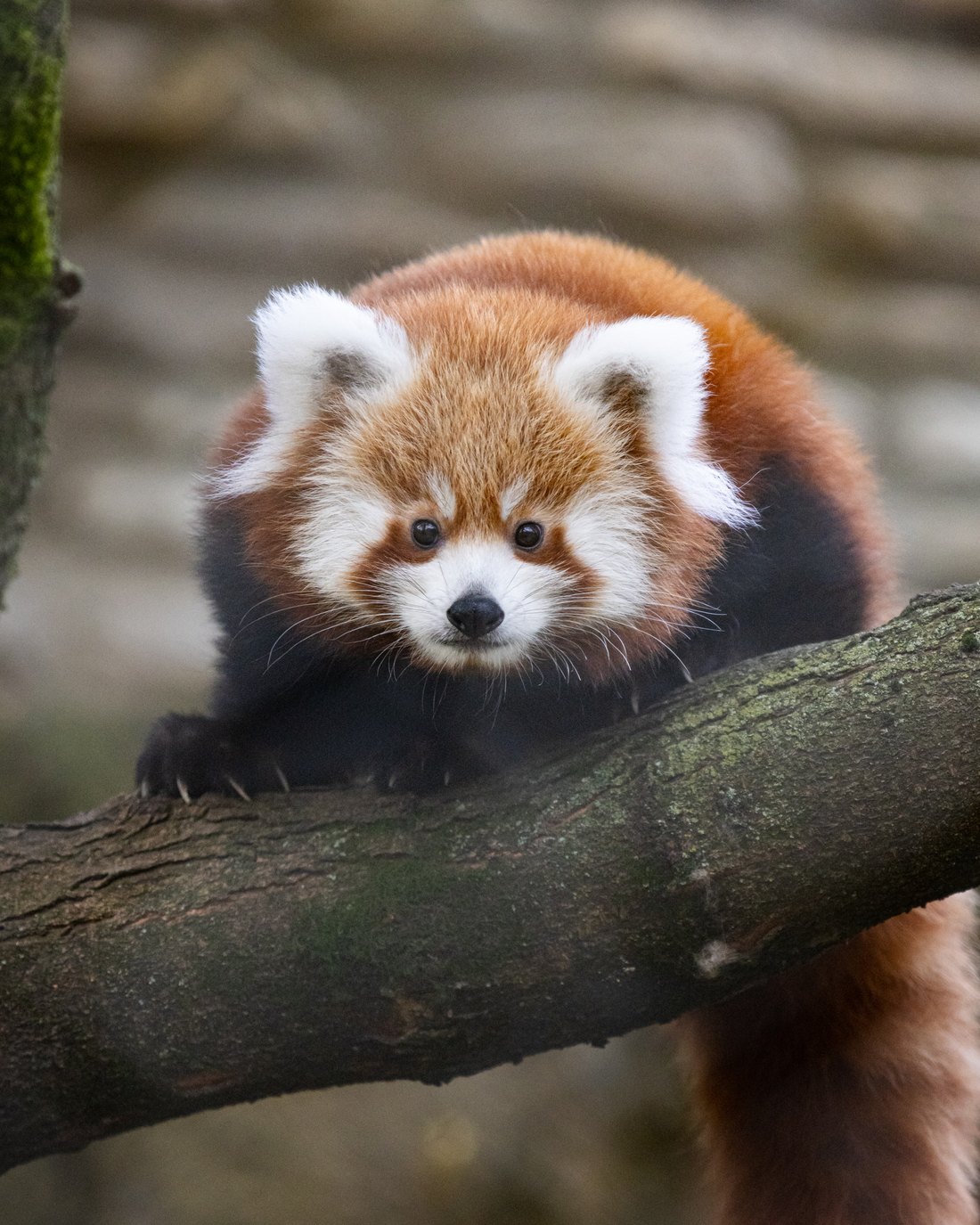
Mogwai has been kept separate from Himalaya and the cubs through these early months, which is not a problem to be solved but the species’ own arrangement. Red pandas are solitary animals, and males take no part in raising young in the wild.
When is the best time to go?
Morning and early afternoon. The zoo is limiting how long the cubs are out each day while they settle into the space, and it is explicit that a sighting is not guaranteed on any given visit. The schedule will also shift as they grow. If you are making the trip specifically for them, go early and take the disappointment risk with open eyes.
“We are so excited for our community to meet these two adorable red panda cubs, who are shining examples of our conservation mission at work,” said Buffalo Zoo president and chief executive Lisa Smith. “Securing a brighter future for this endangered species is paramount, and the hard work of our animal care team is helping us make significant strides toward that goal.”
What is the conservation picture?
Red pandas are listed as endangered, and they are not closely related to the giant panda despite sharing a name: the two belong to entirely different families, and the red panda is the one that had the name first. They live in the forests of the eastern Himalayas and southwestern China, where they feed overwhelmingly on bamboo and other greenery despite having the digestive system of a carnivore, which is one of the odder mismatches in mammalian biology and a large part of why they have to eat so much of it.
Buffalo’s pair joins a North American breeding population that several institutions are now coordinating more deliberately. Pittsburgh Zoo took on a leading role in AZA’s red panda program this fall, which we wrote about here, and our coverage of the Buffalo cubs’ birth in June is here.
Names are still to come. The zoo says it will announce them in the near future. The zoo’s own post is here.
Quick answers
- When were the Buffalo Zoo’s red panda cubs born?
June 10, 2026, to three-year-old Himalaya and five-year-old Mogwai. They are the 14th and 15th red pandas born at the Buffalo Zoo.
- Are the cubs male or female?
Both are female. The zoo announced their sexes on October 7, 2026, the same day it said they had moved out onto habitat.
- When is the best time to see them?
Morning and early afternoon. The zoo limits how long the cubs are out each day while they acclimate, says a sighting cannot be guaranteed on any given visit, and expects the timing to change as they grow.
- Why were the cubs behind the scenes for four months?
To build mobility and climbing skills with their mother before going into a habitat with height in it. Red pandas spend much of their lives above the ground.
- Where is the cubs’ father?
Mogwai has been housed separately from Himalaya and the cubs. Red pandas are solitary by nature and males take no part in raising young in the wild.
- Do the cubs have names?
Not yet. The Buffalo Zoo says it will announce names in the near future.