
Wildlife officials stopped a box truck carrying more than two thousand animals. The Aquarium of the Pacific in Long Beach took nearly 500 of them: marine fish, aquatic invertebrates and sharks, including endangered and near-threatened species. Staff worked through the night to keep them alive.
June 19, and the night that followed
The animals arrived at the aquarium on June 19, 2026. Staff stabilized them, acclimated them into specialized behind-the-scenes systems and got them onto full care without delay. The aquarium announced the operation on August 27.
The AZA Wildlife Confiscations Network, of which the aquarium is a member, was notified by wildlife officials of the seizure, a truck holding fish, aquatic invertebrates, reptiles and amphibians. The Aquarium of the Pacific took the sensitive fish and invertebrates.
“Wildlife trafficking disrupts national and global ecosystems and puts animals on the path to extinction,” said Jeff Flocken, the aquarium’s president and CEO. “We are proud to answer the call to help trafficked wildlife and are committed to providing immediate care and a sanctuary for all of those that we can help.”
What was in the truck
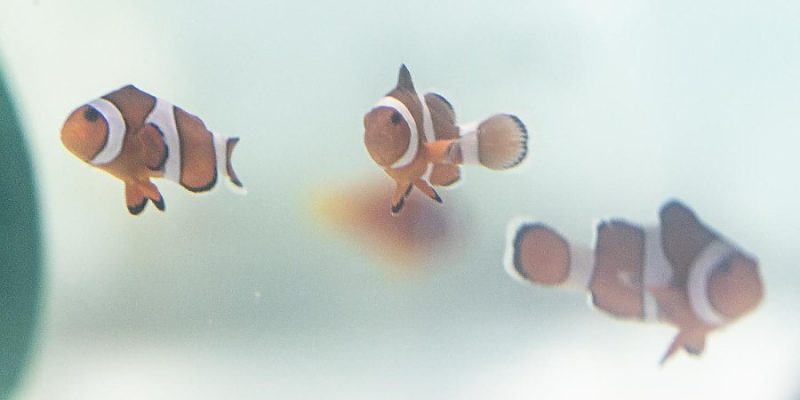
Among the species brought to Long Beach: brownbanded bamboo sharks, listed as near threatened on the IUCN Red List; ocellaris clownfish, one of the most popular fish in the pet trade; and Banggai cardinalfish, which the Red List classifies as endangered.
“We monitor all animals arriving to the Aquarium very closely in quarantine areas where we can provide them immediate care and prevent any potential spread of diseases, especially in an urgent situation like this,” said Alyssa Tillman, assistant curator of fish and invertebrates.
Why they cannot simply go home
Confiscated animals are almost never returned to the wild, and the reasons are practical rather than bureaucratic. Law enforcement usually cannot establish where an animal was collected, so there is no correct place to put it back. Many are no longer fit to survive in nature after time in human care. Trafficked wildlife also travels in inhumane conditions, and a great many animals die somewhere between the wild and a buyer.
Wildlife trafficking is now among the largest illegal trades in the world, and it has grown fast online, with buyers and sellers inside the United States.
The same national network placed three confiscated spider monkey infants at Nashville Zoo this summer, and Primarily Primates took in trafficked spider monkeys in Texas.
The network behind the response
The Aquarium of the Pacific is a founding organization of the Southern California Wildlife Confiscations Network, launched in 2023 between the U.S. Fish and Wildlife Service and regional animal care partners, and it sits on the vetting committee that admits new members. The network operates under AZA’s national Wildlife Trafficking Alliance.
Since joining, the aquarium has helped more than 3,300 trafficked animals: axolotls, corals, reptiles and fish. In 2026 it received funding through the U.S. Fish and Wildlife Service and AZA, from American Rescue Plan Act money, to renovate existing holding systems and build new ones specifically to take in more confiscated animals.
What a visitor can do
The aquarium’s advice for anyone buying an exotic pet is to research the protected status of the species first and buy accordingly. That is unglamorous guidance, and it is also the only part of this chain an ordinary person controls. The truck exists because there is demand at the other end of it.
The 500 animals that came off it are alive in Long Beach.
Quick answers
- How many animals did the Aquarium of the Pacific take in?
Nearly 500, out of more than two thousand animals found in a box truck stopped by wildlife officials. They arrived on June 19, 2026, and the aquarium announced the operation on August 27.
- Which species were involved?
Marine fish, aquatic invertebrates and sharks. Among them were brownbanded bamboo sharks, listed as near threatened on the IUCN Red List; ocellaris clownfish, one of the most popular fish in the pet trade; and Banggai cardinalfish, which the Red List classifies as endangered.
- What is the AZA Wildlife Confiscations Network?
It is the network wildlife officials notify when confiscated animals need placement. The Aquarium of the Pacific is a member, and it took the sensitive fish and invertebrates from a truck that also held reptiles and amphibians.