
Twenty-six vervet monkeys were living on the grounds of Zambia’s State House. In July 2026 they were released into Kafue National Park.
Game Rangers International handled the move on a decision by the Department of National Parks and Wildlife, taking the troop from the State House grounds and neighboring residential areas to GRI’s Primate Transit Home in Kafue.
The protocol
Every animal got a full veterinary examination and an individual identification code. The troop went through a thirty-day quarantine. The release site was around 30km from the transit home, inside the national park, and they spent two days in a temporary holding enclosure before the gate was opened.
That last step is a soft release, and the two days are not a formality. An animal turned loose in unfamiliar country tends to run, which is how translocated primates end up dispersing into exactly the human settlements you moved them out of. Two days of being able to see the place from inside a fence changes where they go when the fence opens.
Rangers are still monitoring the troop and providing food supplements through the dry season.
One monkey was found during the examinations to have a serious head injury and was given immediate veterinary treatment. GRI does not state the outcome.
Why a whole troop and not the individuals
Moving 26 animals together is harder and more expensive than moving them piecemeal. It is also the only thing that works.
Vervets live in stable matrilineal groups with established hierarchies. Split a troop and you get animals with no rank, no allies and no group to be vigilant for them, which in a park containing leopards is a short-term proposition. Keeping the social unit intact through capture, quarantine and release is the difference between a translocation and a disposal.
Conflict, which is the real subject
Primates in a capital city are not a wildlife story, they are a human one. They raid kitchens, they are fed by people, they lose their fear, and eventually somebody demands they be removed. What happens next is usually not this.
The alternative to a functioning transit home and a national park with space in it is culling, and that is the normal outcome for urban primates almost everywhere.
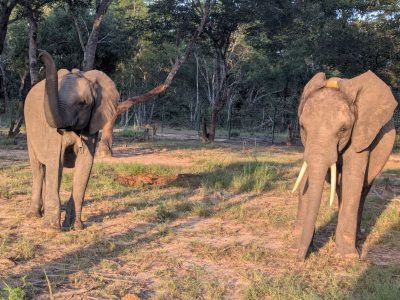
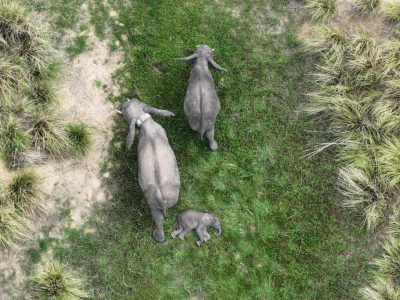
GRI’s better-known work is its elephant orphanage, funded since 2010 by Colchester Zoological Society. The primate side runs on the same infrastructure and gets a fraction of the attention.
Source: Game Rangers International.