
The Oregon Zoo has opened the first two structures paid for by its 2024 bond measure: a 3,200-square-foot shelter at the front gate called Cascade Terrace, and a 10,000-square-foot Wildlife Pavilion on the zoo’s east side. Both were unveiled the week of September 14.
Neither is an animal habitat, which is exactly why they are worth paying attention to. They are the parts of a zoo visit nobody puts on a poster: where you stand when it rains, where you eat lunch, how far you get before you need to sit down.
What the two buildings actually are
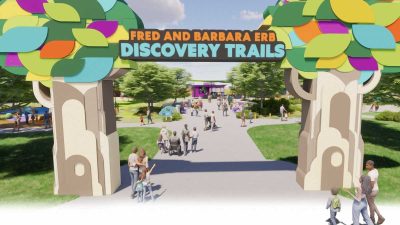
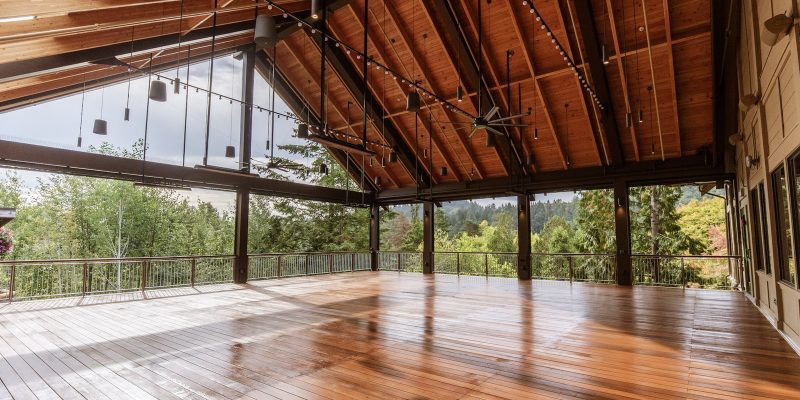
Cascade Terrace sits in the entry plaza. It is a roofed, open-sided shelter framing two views at once, forested hills on one side and the mountain goat habitat on the other, and it is the first piece of a longer effort to fix the flow and accessibility of the zoo’s entrance.
It preserves the entry plaza’s northwest feel while offering protection from the elements. Rain or shine, it’s a great spot for guests to sip a morning coffee or grab a quick bite while watching the mountain goats right across the way.
Beth Redmond-Jones, Director of Campus Planning and Development, Oregon Zoo
Wildlife Pavilion is the larger of the two and sits in the gap between Elephant Lands and Polar Passage, with sight lines into both and across to the primate habitats. The zoo is describing it as flexible space: picnic tables and shade by day, an events venue after hours.
Both were designed around accessibility and around weather that is getting harder to ignore, which in Portland now means shade and heat refuge as much as it means a roof against rain. At Wildlife Pavilion, rainwater is routed into adjacent planting beds and rooftop solar offsets part of the building’s energy use. Most of the wood was sourced locally, from tribal partners.
Where this sits in the bond program
The 2024 measure funds five projects, and these pavilions are part of the first of them, the Plaza Enhancements project covering the entry area and the eastside hub. The next one up is Coastal Shores, which will build new habitats for sea otters, harbor seals and Humboldt penguins. The whole thing runs against a 20-year campus plan that Metro Council approved in 2024.
It’s great to see everything starting off so smoothly. That bodes well for future bond projects. We know we have the people and processes in place to succeed. We’re getting ready now to tackle Coastal Shores, with new homes for sea otters, harbor seals and Humboldt penguins.
Beth Redmond-Jones
Is the bond really on schedule and within budget?
That is the zoo’s characterization, and it comes from Metro rather than from an outside reviewer. Metro Council President Juan Carlos Gonzalez, who attended the staff open house, said the two structures were completed on schedule, within budget and in line with the campus plan, and that the zoo is positioned to deliver on its promises to voters.
A reader is entitled to the other document on the record. In April 2026 a Metro auditor’s report on the bond’s implementation reached a less comfortable conclusion about the first phase, finding that the entry plaza work had run over its budget and that a $19 million allocation intended to complete two projects would complete one. Metro disputed the framing at the time, arguing it had reduced scope deliberately rather than overspent. The Bond Oversight Committee, which provides independent review and reports to Metro Council and the public on construction progress and cost, toured the new pavilions the same week they were unveiled.
Both things can be true. An individual project can land on time and on budget inside a program that has already absorbed a scope reduction, and the honest version of this story carries both facts rather than picking the friendlier one.
Why a shade structure counts as news
Because this is the category of zoo spending that almost never gets written up. A birth gets a television crew. A 20-year campus plan financed by a voter-approved bond gets one item in a business journal and then disappears, even though it determines what the zoo looks like for a generation. Como Park Zoo’s first phase of big cat construction arrived through the same kind of public funding route.
And guests notice infrastructure faster than they notice anything else. The Wildlife Pavilion is a hundred steps from the elephants the zoo vaccinated against EEHV this summer. Whether you can stand near them for an hour in August without cooking is not a small question.
Coastal Shores is the one to watch next. Sea otters, harbor seals and Humboldt penguins are the kind of animals a new building genuinely changes life for, and that project is where the bond stops buying roofs and starts buying habitat.
Quick answers
- What did the Oregon Zoo build with its bond money?
Two open-air pavilions: the 3,200-square-foot Cascade Terrace in the entry plaza, and the 10,000-square-foot Wildlife Pavilion between Elephant Lands and Polar Passage. Both are part of the Plaza Enhancements project.
- What is the next Oregon Zoo bond project?
Coastal Shores, which will build new habitats for sea otters, harbor seals and Humboldt penguins.
- How many projects does the 2024 Oregon Zoo bond fund?
Five, running against a 20-year campus plan approved by Metro Council in 2024.