
In August 2021, biologists at Mason Mountain Wildlife Management Area found 18 Texas horned lizard hatchlings they believed were the offspring of zoo-reared lizards released in 2019. To the knowledge of the people involved, it was the first time zoo-reared horned lizards had survived long enough to reproduce in the wild.
That is the number that matters. Releasing animals is straightforward; getting them to live long enough to breed on their own is the part the whole exercise is for.
204 hatchlings, and the 1,000th
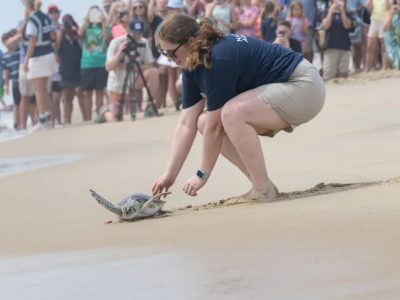
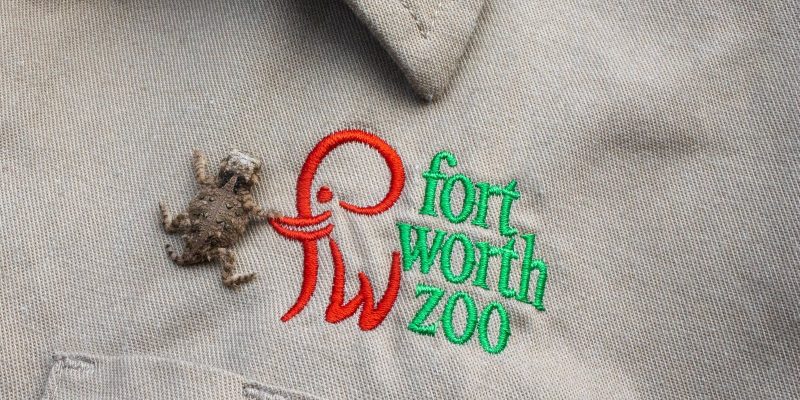
On Sept. 16, 2021, the Fort Worth Zoo, the Texas Parks and Wildlife Department, the Dallas Zoo and the Caldwell Zoo released 204 captive-raised hatchlings into the wild. One hundred of them had hatched at Fort Worth.
The week before, Fort Worth marked a separate milestone: its 1,000th Texas horned lizard hatched.
The protocols came first
None of this was possible in 2010. In 2011 the Fort Worth Zoo developed and refined the breeding and husbandry protocols required to keep and reproduce Texas horned lizards in managed collections — an animal with a specialized diet and specific thermal requirements that had not been reliably bred before.
Those protocols were then adopted and modeled at other zoos around the state, which is why the annual release is a coalition effort rather than one institution’s project. Texas zoos and wildlife scientists gather each year to put hatchlings back on the ground.
Tracking what happens next
Biologists from Texas Parks and Wildlife and Texas Christian University continued to track the released lizards in the weeks after the 2021 release. The Texas horned lizard is the state reptile, and it has been disappearing from much of its historic Texas range for decades.
Captive breeding followed by release is the same model that has brought several small vertebrates back from the edge: the Detroit Zoo has sent thousands of Puerto Rican crested toad tadpoles to Puerto Rico under the same logic.