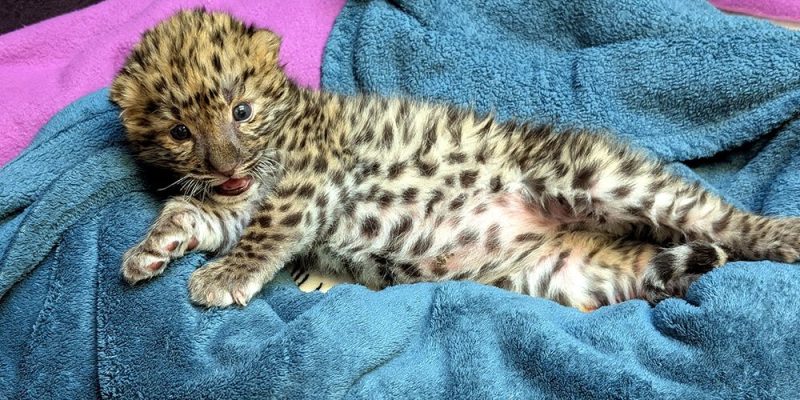
A male Amur leopard cub was born at the Potawatomi Zoo in South Bend, Indiana on September 8, and he is alive because people fed him every few hours for weeks. The zoo announced the birth on October 23, 2026. The cub does not have a name yet. His mother is a first-time parent named Anastasia and his father is Mango, and the pairing was recommended by the Amur Leopard Species Survival Plan.
What went wrong, and what the zoo did about it
Anastasia showed some of the right instincts. She cleaned the cub. What she did not do was feed him or give him the rest of the care a newborn leopard needs, which is the part that cannot be skipped. Staff tried to reunite mother and cub. When that did not work, animal care management and the zoo veterinarian decided to hand-rear him.
That decision is not a small one. Hand-rearing is a risk in itself, and newborn big cats are fragile. Zoo staff cared for the cub around the clock through the first weeks of his life. He is growing up healthy and strong.
The zoo is not treating the failed nursing as a failure. “We have a history of successfully breeding Amur leopards,” said Josh Sisk, executive director of the Potawatomi Zoo. “Although we wish Anastasia could have raised him, knowing this first-time pair of leopards can reproduce is a huge win for the species. We are confident her next attempt will be successful.”
Why one cub counts this much
Because there are almost none. By the zoo’s count there are around 100 Amur leopards living in the wild and about 200 in zoos worldwide. The animal once ranged across the Primorye region of southeastern Russia, northern China around the Amur River, and the Korean peninsula. It now holds on in a small part of the Russian Far East, pushed there by habitat loss, poaching and the fragmentation of what was left.
A Species Survival Plan is the cooperative program that manages a species across accredited zoos as one population rather than as separate collections, deciding which animals should be paired and where offspring should go. For an animal with a few hundred individuals on the planet, that bookkeeping is the conservation work. It is also why a cub in Indiana is relevant to a cub in Utah: Hogle Zoo’s Amur leopard litter, which went outdoors for the first time in June, belongs to the same managed population. Sisk is explicit about the plan for this cub: raise him until he is old enough to be placed at another zoo, and hopefully pair him with a female as the SSP recommends.
“Since there are so few of these leopards in the wild and zoos, each birth is so important,” Sisk said. “Not only is it critical for zoos to have a sustainable population of this amazing species, but it’s possible that what we learn about Amur leopards could hopefully, someday, help bring them back from the brink of extinction.”
A note on the listing
The Critically Endangered status attached to this animal belongs to the Amur leopard specifically, Panthera pardus orientalis, which the IUCN Red List assesses separately from the leopard as a whole. That distinction matters when you see leopard numbers quoted: the species Panthera pardus ranges across Africa and Asia and carries a less severe global listing, while this northern subspecies is among the rarest cats on earth. The population figures above are the zoo’s. We were not able to open the Red List assessment page for the subspecies during this reporting, so we are not printing an assessment year or a count of mature individuals, which is a different quantity from a total population and usually a smaller one.
What makes an Amur leopard different
Most people picture a leopard on a savanna. This one lives in temperate forest, cold country and mountains, and it is built for it: thicker and longer fur than other leopards, and longer legs. They climb and swim well and can jump as high as 20 feet. They hunt at night and they live alone, which is part of why a captive breeding recommendation has to be so carefully matched. Putting two solitary animals together is not a neutral act.
There is a building going up for them
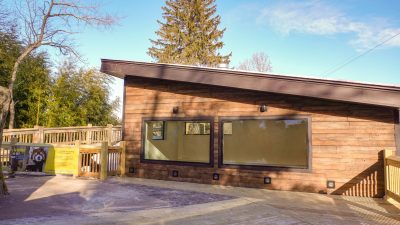
The zoo is finishing Big Cat Tracks, a new habitat for Amur leopards and tigers at the southeast corner of the grounds, and it was designed with further leopard breeding in mind. That is the part of this story with a future tense in it. A cub that has to be hand-raised and then shipped elsewhere is a save; a habitat built so the next pair can raise their own is the thing that makes the save unnecessary next time. Potawatomi has produced Amur leopard litters before, and Anastasia is expected to get another try.
When Big Cat Tracks opens, South Bend will have a purpose-built home for one of the rarest cats alive, with a breeding pair in it. The cub who prompted all this will probably be living somewhere else by then, doing the same job at another zoo.
Quick answers
- When was the Potawatomi Zoo Amur leopard cub born?
September 8, 2026. The zoo announced the birth on October 23. The male cub does not have a name yet.
- Why is the cub being hand-raised?
His mother, Anastasia, is a first-time parent. She cleaned him but did not feed him or provide the rest of the care he needed. After attempts to reunite mother and cub failed, animal care management and the zoo veterinarian decided to hand-rear him.
- Is the Amur leopard cub healthy?
Yes. Zoo staff cared for him around the clock through his first weeks and the zoo says he is growing up healthy and strong.
- How many Amur leopards are left?
By the zoo’s count, around 100 live in the wild and about 200 in zoos worldwide. They survive in a small part of the Russian Far East, from a range that once covered southeastern Russia, northern China and the Korean peninsula.
- What will happen to the cub?
The zoo plans to raise him until he is old enough to be placed at another zoo, where it hopes he will be paired with a female as the Amur Leopard Species Survival Plan recommends.
- What is Big Cat Tracks at the Potawatomi Zoo?
A new habitat for Amur leopards and tigers being completed at the southeast corner of the zoo. It was designed to allow further breeding of Amur leopards.