
Scientists at the Smithsonian’s National Zoo and Conservation Biology Institute have pooled 7.1 million shorebird observations from 36 species, contributed by 75 organizations, into a single database built to answer the questions land managers actually ask. The results were published in the journal Conservation Biology on March 23, 2026.
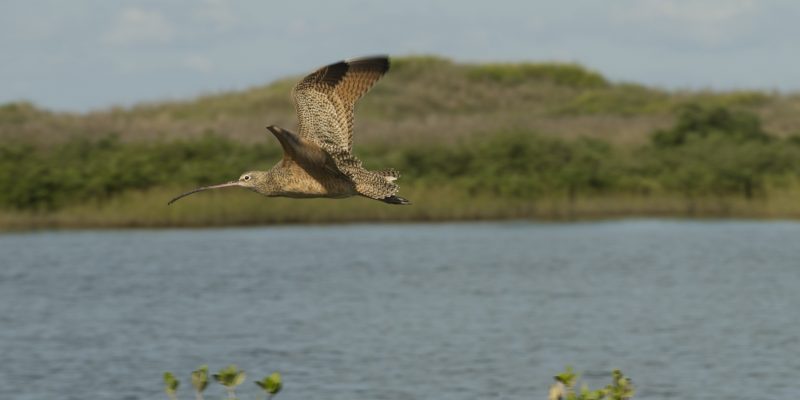
The project is called the Shorebird Science and Conservation Collective. Institute researchers had spent years pioneering tracking methods for individual species, including the black-bellied plover and the long-billed curlew, and those studies revealed a great deal about single birds and single routes. What was missing was a synthesis across many species that could inform conservation along whole flyways.
Why shorebirds need the whole picture
Shorebirds are one of the most threatened bird groups in North America. More than half of monitored North American shorebird populations have declined by more than 50 percent since 1980. They are also intensely migratory, with many species traveling between multiple states or countries in a single year, and a shorebird carrying a passport might collect stamps from the Arctic to Patagonia.
That is what makes tracking data valuable. Small satellite trackers record the movement pathway of an individual bird, which lets researchers see how habitats are connected through migration and which habitats matter to shorebirds at which point in the year.
What the pooled data has already changed
The collective has moved past the repository stage into answering specific requests. It has helped identify the best times and places to deploy freshwater across Texas landscapes for habitat creation, informed offshore wind development in both the United States and Canada by identifying which flyways matter, and produced educational materials that bring shorebird migration to life for students and the public.
“A crucial element of the collective is the trust partners have in the program and the engagement it creates to improve communication between scientists and practitioners,” said Autumn-Lynn Harrison, research ecologist at the institute and lead author of the study. “Practitioners greatly value the science translation offered by the collective, and data contributors value the high standards of stewardship and curation the Smithsonian is known for.”
The part that made contributors say yes
Since launching in 2021 the collective has drawn data from the Smithsonian, federal and state agencies, universities, nonprofits and community scientists, combining electronic tag records with survey and community science data. One of the keys to assembling a database that large has been a flexible data sharing agreement that lets each contributor guide how their data are used and requires that those conservation uses be reported back to them. That reporting step is rare in big data projects.
Harrison says other offshore wind projects have shown significant interest in assessing where turbines would overlap shorebird migration routes. The collective’s focus is North America for now, with an aim to support conservation in Latin America and the Caribbean as well. Any organization whose management decisions could benefit from the data can submit a request through the collective’s online form.
The study, “The collective application of shorebird tracking data to conservation,” is published in Conservation Biology. The collective is supported by a grant from the Knobloch Family Foundation, with additional support from ConocoPhillips and the U.S. Fish and Wildlife Service.
It is the second data-heavy result out of the institute that ZooReviews has covered recently, alongside the black-footed ferret clones that produced three litters.
Quick answers
- How much data is in the Shorebird Science and Conservation Collective?
7.1 million observations of 36 shorebird species, contributed by 75 organizations since the collective launched in 2021.
- How are North American shorebird populations doing?
More than half of monitored North American shorebird populations have declined by more than 50 percent since 1980.
- What has the collective's data been used for?
Identifying the best times and places to deploy freshwater across Texas landscapes for habitat creation, informing offshore wind development in the United States and Canada, and producing educational materials on shorebird migration.
- Where was the research published?
In the journal Conservation Biology on March 23, 2026, in a paper titled The collective application of shorebird tracking data to conservation.