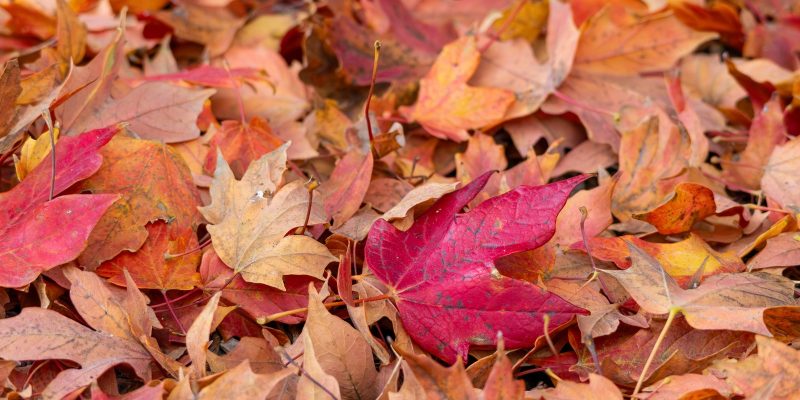
A luna moth does not spin its cocoon out of silk alone. It spins silk around a fallen leaf, and the finished cocoon drops to the ground and sits out the winter looking like exactly what it is lying in. Rake that layer up in November and the moth goes into a bag with it. This is the argument the Virginia Zoo is making to its neighbors this month, and the instruction is short: leave the leaves.
The ask comes from Habitat Heroes, a program the Zoo started in 2025 asking people in Hampton Roads to restore and protect native habitat in whatever way they can manage, from learning about it to converting 20 square feet of lawn to native plants. Fall is the season when the easiest version of that is to do nothing.
What is living in the leaf litter
Leaf litter is the loose layer of fallen leaves and plant debris sitting on top of the soil, and for a long list of animals it is the entire winter strategy. The Zoo points out that of the more than 20,000 bee species in the world, roughly 70 percent nest underground, where a leaf layer works as insulation over the top of the nest.
Mourning cloak butterflies hibernate in the litter itself, which holds a stable microclimate, meaning the small pocket of temperature and humidity right at ground level rather than whatever the thermometer on the porch says. According to the Zoo, the species can face temperatures as low as 76 degrees below zero Fahrenheit when it has leaf cover over it.
Red-banded hairstreaks go further and time their whole life cycle to the leaf fall. Unlike most caterpillars, which eat living foliage, red-banded hairstreak caterpillars feed on decaying sumac and oak leaves. The litter is not shelter for them. It is the food.
Frogs, turtles and one unusual bat
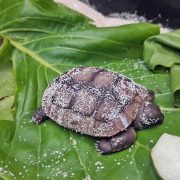
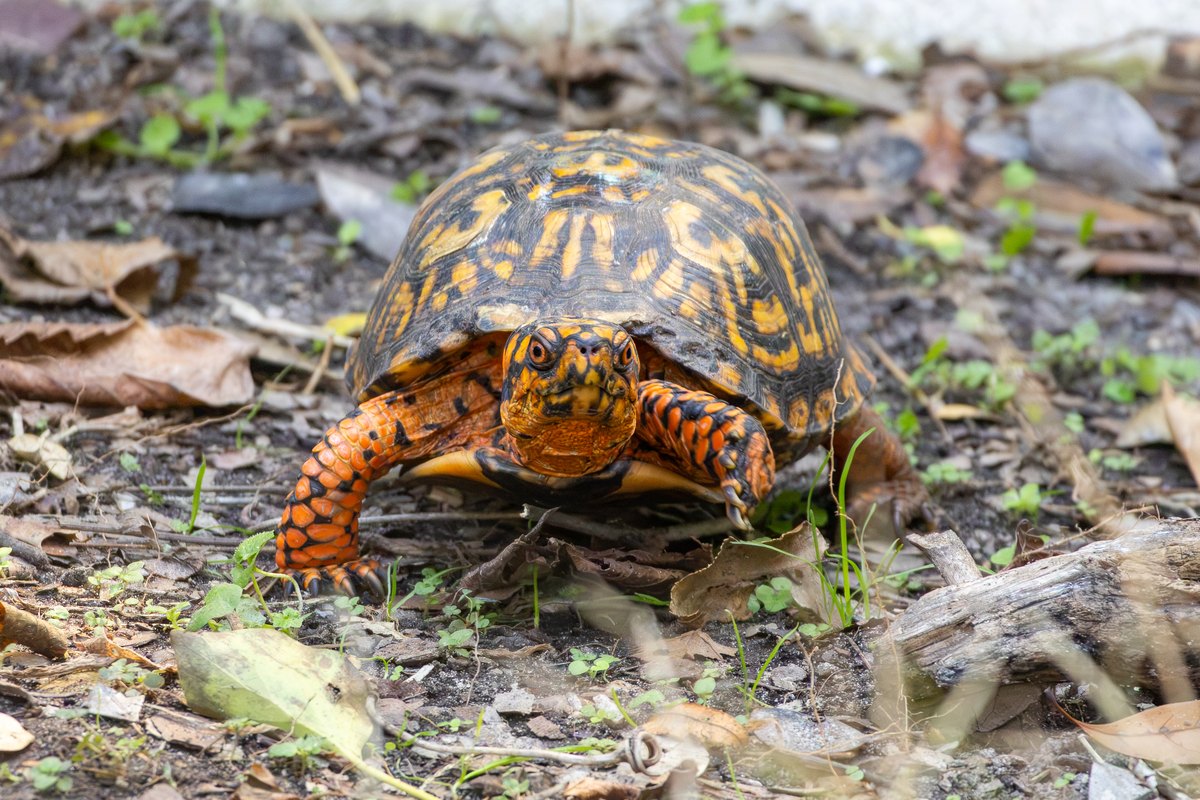
Vertebrates use it too. Several terrestrial frog species, American toads and eastern spadefoots among them, leave the water in fall and move into nearby forest to spend the winter below the frost line, where leaf litter shields them from predators, insulates them and draws in the insects they eat. Eastern box turtles bury themselves underground to get through it.
The eastern red bat is the odd one on the list. Most bats either migrate or find an enclosed space to roost in. Eastern red bats hibernate under leaf litter.
What it does for the gardener
The same layer insulates perennial roots against freezing, which makes black-eyed susans and coneflowers likelier to come back the following year. As the leaves break down they return nutrients to the soil and reduce the need for fertilizer, and the cover blocks light to weed seedlings. Anything left over is good brown material for a compost pile.
How do you actually do it?
The Zoo gives three steps. Leave a thin layer over grass, thin enough to feed the lawn as it breaks down without smothering it. Rake the rest gently onto garden beds and around the base of trees, since native trees host caterpillars that are looking for exactly that layer, and birds and mammals will spend the winter eating the invertebrates in it. A rake rather than a gas-powered blower is the point here: quieter, and it does not blast the animals you are trying to house.
Then wait until around May to clear what is left, by which time most of the wildlife has emerged and there is other food available.
The Zoo’s own horticulture team does this, leaving as many leaves as it can in the garden beds. The Pollinator Garden across from Asia: Trail of the Tiger is where you can go and see what a deliberately unraked bed looks like in winter. Full details are in the Virginia Zoo’s Habitat Heroes post. The Zoo’s conservation work reaches a good deal further than the garden beds, as when one of its keepers went to Nepal with the Red Panda Network.
Quick answers
- Why should I leave the leaves in my yard?
Leaf litter is the winter habitat for a long list of animals. Roughly 70 percent of the world's more than 20,000 bee species nest underground and the leaf layer insulates those nests. Mourning cloak butterflies hibernate in the litter itself, luna moths spin their cocoons around fallen leaves, and red-banded hairstreak caterpillars eat decaying sumac and oak leaves.
- Which animals overwinter in leaf litter?
Bees, mourning cloak butterflies, red-banded hairstreaks and luna moths among the insects. American toads and eastern spadefoots move out of the water into forest leaf litter below the frost line, eastern box turtles bury themselves underground, and eastern red bats hibernate under leaf litter rather than migrating or roosting in an enclosed space like most bats.
- Does leaving leaves help my garden?
The Virginia Zoo says it does. The layer insulates perennial roots against freezing, which makes plants such as black-eyed susans and coneflowers likelier to bloom again the next year. Decomposing leaves return nutrients to the soil and reduce the need for fertilizer, and the cover blocks light to weed seedlings. Surplus leaves work as brown material for compost.
- How do I leave the leaves without killing my lawn?
Leave only a thin layer over grass, thin enough to feed it as it breaks down without smothering it. Rake the rest onto garden beds and around the base of trees. Use a rake rather than a gas-powered leaf blower, which is quieter and less disruptive to the animals in the layer.
- When should I clear the leaves?
Around May. By late spring most of the wildlife sheltering in the litter has emerged and other food sources are available.
- What is Habitat Heroes?
A Virginia Zoo program started in 2025 that asks the community to restore and protect native habitat through education, awareness or direct action, such as replacing 20 square feet of lawn with native plant species.