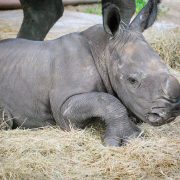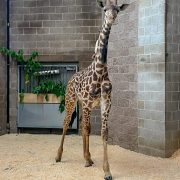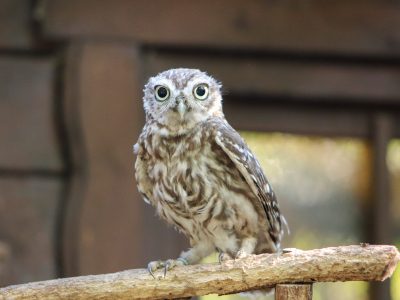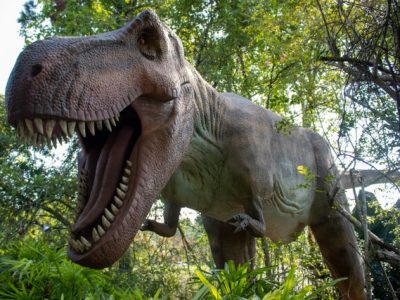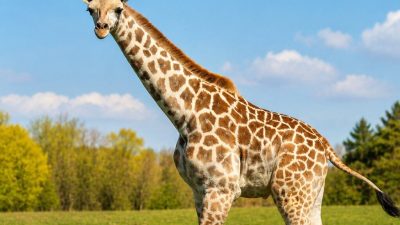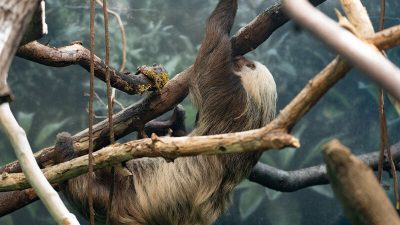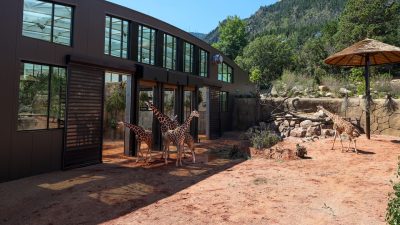

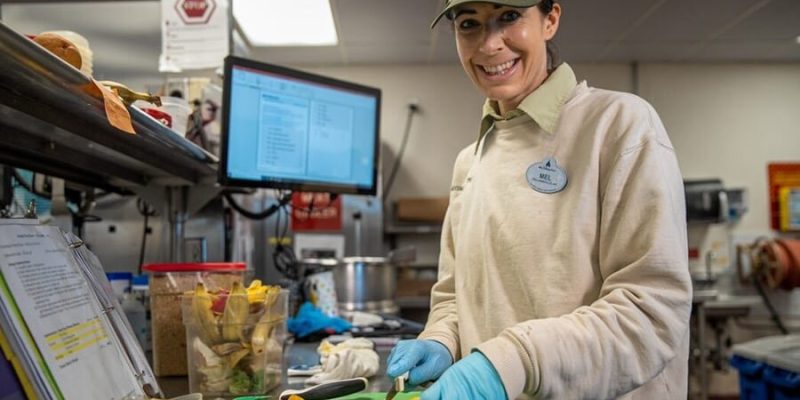
Disney’s Animal Kingdom keeps about 5,000 animals across some 300 species. Every day, roughly 10,000 pounds of food goes out across the Walt Disney World resort to feed them, prepared against 1,200 individual meal plans.
Not 300 plans, one per species. Twelve hundred, because the unit of nutrition at a facility this size is the animal, not the taxon.
The number that gives it away
Zoo attendance figures and species counts are the numbers that get published. The meal plan count is the one that tells you what kind of operation this actually is.
An individual meal plan means somebody has decided what one specific animal eats, in what quantity, at what time, and revises it as that animal ages, breeds, recovers from something or simply stops eating what it used to. Twelve hundred of those, maintained continuously, is a full-time nutrition department rather than a kitchen.
Disney runs one. The Animal Nutrition Center employs what the company describes as dozens of animal nutritionists, and it is a facility most visitors will never see and never hear about.
What else is in the accounting
Dr. Mark Penning, who leads Disney’s Animals, Science and Environment team, published a set of these figures in April 2024. A few are worth having:
- Nearly 150 cast members on the Animals, Science and Environment team.
- Kilimanjaro Safaris covers 110 acres, which Disney puts at 83 football fields, holding more than 100 animals across roughly 30 species.
- 20,000 sea turtle nests monitored at Disney’s Vero Beach Resort, which is a hotel rather than a zoo.
- 500 nesting compartments built for purple martins.
- 75 species of pollinators identified in habitats on Disney property.
The purple martin and pollinator numbers are the ones that do not fit the theme-park story at all. Nobody buys a ticket because of a nesting compartment.
Why does a theme park run a nutrition department?
Because it is not only a theme park. Animal Kingdom participates in Association of Zoos and Aquariums Species Survival Plans, the cooperative breeding programs that manage populations across institutions so that a species held in human care stays genetically viable across decades.
An SSP animal is not the property of the facility holding it in any practical sense. It is a genetic asset in a managed population, and a facility that wants a place in that system has to demonstrate it can keep the animal in the condition the program requires. That takes nutritionists, veterinary staff and record-keeping, and it costs money whether or not any visitor notices.
The part that is easy to miss
Animal Kingdom is filed under theme parks in every attendance ranking published, which means the institutions it is compared against are Magic Kingdom and Universal Studios rather than San Diego or the Bronx. The comparison flatters nobody and obscures the interesting question, which is what a zoological collection of this scale actually requires to run.
Five thousand animals. Three hundred species. Twelve hundred meal plans, revised as the animals change. That is a zoo, whatever the ranking tables call it.
The unglamorous half of a zoo’s work is a recurring subject here. Cincinnati’s reproductive science program produces datasets and frozen embryos rather than births, and The Wilds funds isotope analysis to learn whether its released beetles actually breed. Neither sells a ticket either.
Sources: Disney Parks Blog, Dr. Mark Penning, Vice President, Animals, Science and Environment; Association of Zoos and Aquariums, Species Survival Plan programs.