
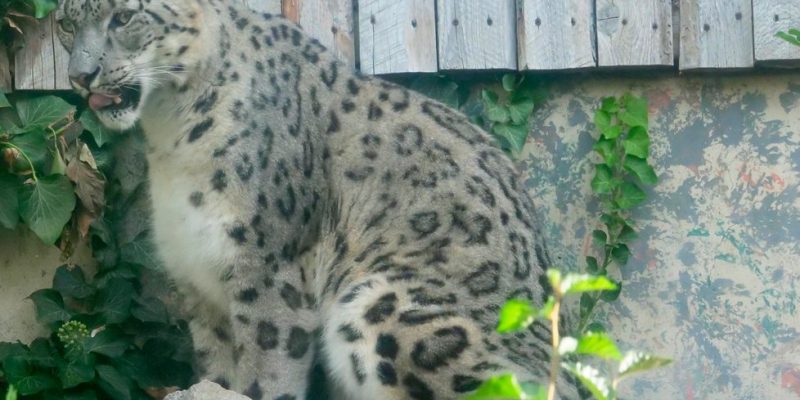
Sabu, the 12-year-old snow leopard who had lived at Zoo Boise since 2020, was humanely euthanized on August 21, 2026 after a long decline caused by chronic kidney disease and other age-related conditions.
The zoo had shared a public update on his health in June, when keepers were already managing kidney disease and weight loss and working to keep a senior cat comfortable through an Idaho summer. His conditions kept progressing, and his veterinary and animal care teams shifted their focus to his quality of life.
“We are deeply saddened by the loss of Sabu, a beloved member of our zoo family,” said Boise Parks and Recreation Director Sara Arkle. “He holds a special place in the hearts of our staff, volunteers, and community. While we mourn this tremendous loss, we are profoundly grateful for the years we had with him and for the dedicated care he received throughout his life. Sabu brought joy, wonder, and meaningful connections to countless people, and we will carry those memories with us for years to come.”
A cat at the end of his species’ lifespan
Snow leopards (Panthera uncia) generally live 10 to 13 years in the wild. Sabu was born in 2014 and had reached the upper end of that range. Kidney disease is common in older cats, wild and domestic, and it brings weight loss and dehydration with it.
His care in the final months included regular examinations, frequent weight checks, diagnostic testing, medications, nutritional supplements, supportive fluid therapy and repeated changes to his daily routine. Keepers added water to his whole-prey diet and offered blood-flavored ice to get more fluids into him. Small patches of his tail were kept shaved so blood draws could be done without stress, and portions of his abdomen were shaved to help him shed heat.
The same team that had spent years learning to read him made the decision to euthanize him when his quality of life could no longer be maintained. Wild cats hide their pain by instinct, so that judgment rests almost entirely on how well the people around the animal know it.
Six years as an ambassador
Sabu arrived in Boise in 2020 and became a favorite quickly. Staff and volunteers describe a calm animal. For a lot of visitors the snow leopard habitat was the stop they remembered, a few minutes spent looking at a species almost nobody encounters any other way.
Snow leopards are listed as vulnerable on the IUCN Red List. They are thinly spread across the high mountains of Central and South Asia and are difficult even for researchers to find.
The zoo also funds snow leopard work in the field. Its conservation fund, paid for by a surcharge on every admission, has supported the Snow Leopard Trust since 2009. The trust runs the most comprehensive study of wild snow leopards yet attempted, using GPS collars and remote cameras to feed a global population assessment.
A memorial at the habitat
Guests who want to mark Sabu’s death can leave cards, notes or memories on a memorial board near the snow leopard habitat. Zoo Boise set it up for its own staff as well as the public, as a place to share memories and offer some support to the keepers and veterinarians who cared for him.
Zoo Boise is a division of Boise Parks and Recreation and is accredited by the Association of Zoos & Aquariums. Since 2007, visits to the zoo have generated more than $4.5 million toward the conservation of animals in the wild.
Common questions about Sabu and snow leopards
How old was Sabu?
Sabu was 12 years old. He was born in 2014 and arrived at Zoo Boise in 2020, spending six years there.
Why was Sabu euthanized?
Sabu was humanely euthanized on August 21, 2026 after a continued decline in health caused by chronic kidney disease and other age-related conditions. Zoo Boise’s veterinary team made the decision when his quality of life could no longer be maintained.
How long do snow leopards live?
Snow leopards generally live 10 to 13 years in the wild, so Sabu had reached the upper end of the typical lifespan for his species.
Are snow leopards endangered?
Snow leopards are listed as vulnerable on the IUCN Red List. They live at low density across the high mountains of Central and South Asia, and reliable population figures remain hard to establish.
Quick answers
- How old was Sabu?
Sabu was 12 years old. He was born in 2014 and arrived at Zoo Boise in 2020, spending six years there.
- Why was Sabu euthanized?
Sabu was humanely euthanized on August 21, 2026 after a continued decline in health caused by chronic kidney disease and other age-related conditions. Zoo Boise's veterinary team made the decision when his quality of life could no longer be maintained.
- How long do snow leopards live?
Snow leopards generally live 10 to 13 years in the wild, so Sabu had reached the upper end of the typical lifespan for his species.
- Are snow leopards endangered?
Snow leopards are classified as vulnerable on the IUCN Red List. They live at low density across the high mountains of Central and South Asia, and reliable population figures remain hard to establish.