
Zoo Boise’s conservation fund has passed $4 million, and in July 2026 the zoo published an accounting of where the money has gone.
The fund is paid for by a surcharge on admission. It started at 25 cents when the zoo launched it in 2007 and has since risen to a dollar on every ticket and animal encounter. The money is granted to field organizations working in Idaho and overseas.
Where the money went in 2025
The New Nature Foundation, a partner since 2010, built 531 fuel-efficient stoves and produced 327,942 biomass briquettes in the first half of 2025. It works around Kibale and Queen Elizabeth national parks in western Uganda, where firewood cutting eats into forest that chimpanzees and elephants depend on.
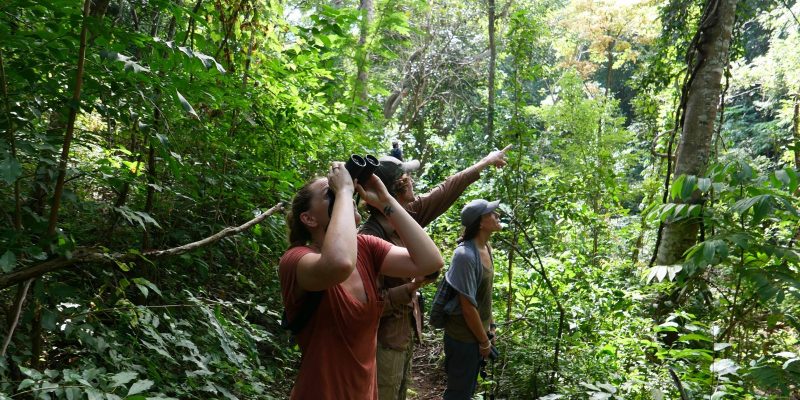
The Red Panda Network, a partner since 2019, expanded its corps of Forest Guardians. The guardians are local monitors who collect data on red panda numbers and vegetation across 109 community forests in eastern Nepal.
Wildlife SOS, a partner since 2011, launched two programs in 2025. One monitors Himalayan brown bears in Kashmir and tracks human-bear conflict. The other removes snares and restores sloth bear habitat in southern India, alongside collar tracking and anti-poaching work with nearby communities.
Closer to home, the Boise Parks and Recreation Open Space Division, a partner since 2016, put more than 5,400 plants and over 100 pounds of seed into priority restoration areas in the Boise Foothills during 2025. The work ranged from bitterbrush plantings for mule deer and elk to trailside revegetation. Crews also began controlling invasive grasses across hundreds of acres.
The research partnerships
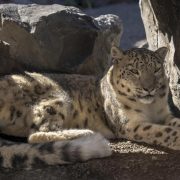
The Snow Leopard Trust, a partner since 2009, is running what it calls the most comprehensive study of wild snow leopards yet attempted. Researchers use GPS collars and remote cameras to track how the cats move and behave across their range. The results feed PAWS, the Population Assessment of the World’s Snow Leopards, a global effort to work out how many are left.
Zoo Boise has its own snow leopard, Sabu, who has spent six years introducing Idaho visitors to a species most of them will never encounter in the wild.
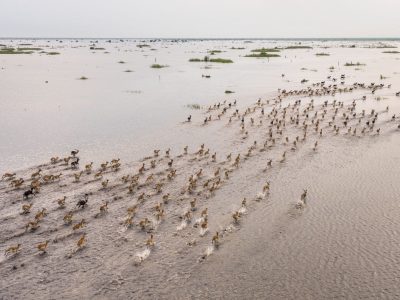
The Giraffe Conservation Foundation, a partner since 2019, works in 21 African countries. Zoo Boise’s money supported education programs and ground and aerial surveys in Kenya focused on reticulated giraffes. Painted Dog Research, also a partner since 2019, sent executive director Dr. Greg Rasmussen to Boise to train zoo staff and describe the group’s field research on African painted dogs in Zimbabwe.
The Global Penguin Society, a partner since 2021, used satellite data in 2025 to pin down penguin migration routes and feeding grounds, and protected more birds through the breeding season. The Xerces Society for Invertebrate Conservation, a partner since 2019, put its share toward protecting endangered insects, cutting pesticide use and building flower-rich habitat for pollinators across North America.
Conservation that funds people
Not all of the fund’s work targets a species. The Gorongosa Girls Clubs, based at Gorongosa National Park in Mozambique and supported by Zoo Boise since 2008, help girls stay in school, build confidence and delay early marriage. Zoo Boise says protecting a landscape means investing in the people who live in it.
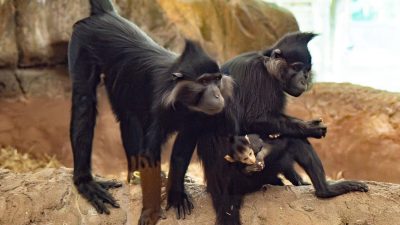
Paso Pacifico does similar work in the Americas. Its ranger patrols in eastern El Salvador cut fire breaks, track illegal hunters and build local support for conservation, which underpins the spider monkey sanctuary Zoo Boise helped establish there. The Lion Recovery Fund is working toward doubling wild lion numbers by 2050 across more than 20 African countries.
Why the model works
Plenty of zoos fund field conservation. Zoo Boise’s version is built into the ticket price rather than solicited at the exit, so the fund raises a predictable amount every year. Nineteen years of that has kept a dozen organizations working across four continents.
Zoo Boise is accredited by the Association of Zoos & Aquariums.
Common questions about the Zoo Boise Conservation Fund
How does the Zoo Boise Conservation Fund work?
A conservation contribution is built into the price of every Zoo Boise admission and animal encounter. It began at 25 cents in 2007 and has since risen to one dollar per visit. The proceeds are granted to field conservation organizations in Idaho and internationally.
How much money has the fund raised?
As of July 2026, the fund had raised more than $4 million since 2007.
Which organizations does Zoo Boise support?
Partners include the Red Panda Network, Wildlife SOS, the Snow Leopard Trust, the Giraffe Conservation Foundation, Painted Dog Research, the Global Penguin Society, the Xerces Society for Invertebrate Conservation, the New Nature Foundation, Paso Pacifico, the Lion Recovery Fund, the Gorongosa Girls Clubs and the Boise Parks and Recreation Open Space Division.
Do visitors have to opt in to donate?
No. The contribution is included in the admission price rather than requested separately, which is why the fund raises a predictable amount each year.
Quick answers
- How does the Zoo Boise Conservation Fund work?
A conservation contribution is built into the price of every Zoo Boise admission and animal encounter. It began as 25 cents in 2007 and has since risen to one dollar per visit, with proceeds granted to field conservation organizations in Idaho and internationally.
- How much money has the fund raised?
As of July 2026, the fund had raised more than $4 million since 2007.
- Which organizations does Zoo Boise support?
Partners include the Red Panda Network, Wildlife SOS, the Snow Leopard Trust, the Giraffe Conservation Foundation, Painted Dog Research, the Global Penguin Society, the Xerces Society for Invertebrate Conservation, the New Nature Foundation, Paso Pacifico, the Lion Recovery Fund, the Gorongosa Girls Clubs and the Boise Parks and Recreation Open Space Division.
- Do visitors have to opt in to donate?
No. The contribution is included in the admission price rather than requested separately, which is what allows the fund to generate a predictable amount every year.