
African Parks runs protected areas on behalf of governments in 13 African countries. Gabon has never been one of them. As of last week it is on the way to becoming the fourteenth, and the two places it has opened the door with are a national park and a presidential reserve where the equatorial rainforest runs straight into the Atlantic.
On October 28 in Libreville, the Gabonese government and African Parks signed a Priority Support Plan covering Moukalaba-Doudou National Park and the Wonga-Wongue Presidential Reserve. It is the organization’s first official partnership in the country.
A Priority Support Plan is not a takeover
The term matters, because African Parks is better known for the other thing it does: long-term delegated management, where a government signs over the day-to-day running of a park for a long fixed term and the organization becomes its operator. A Priority Support Plan is the step before that. It establishes a baseline, which in practice means finding out what is actually in the two areas and what condition the staff, the infrastructure and the operating systems are in, and then addressing the most urgent of it.
Both sides are explicit that this is a foundation for a possible long-term partnership rather than one already agreed. The plan follows an invitation from Gabon’s National Parks Agency, known by its French initials ANPN, and a feasibility study African Parks ran with the agency, other government bodies, conservation partners, funders and local stakeholders.
The two places
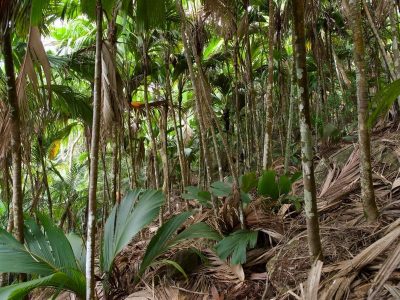
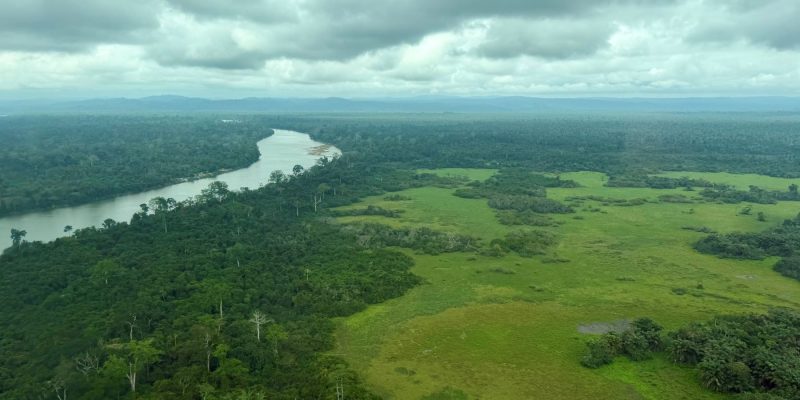
Moukalaba-Doudou National Park takes in lowland tropical forest, savanna, the Doudou Mountains, major river systems between the Congo and Ogooue basins, and coastal habitats connected to marine protected areas in the Atlantic. The Wonga-Wongue Presidential Reserve, established in its current form in 1972, is a mosaic of forest and savanna near the Ogooue delta, which holds a significant Central African mangrove system. It also contains early Iron Age remains and sites linked to the transatlantic slave trade.
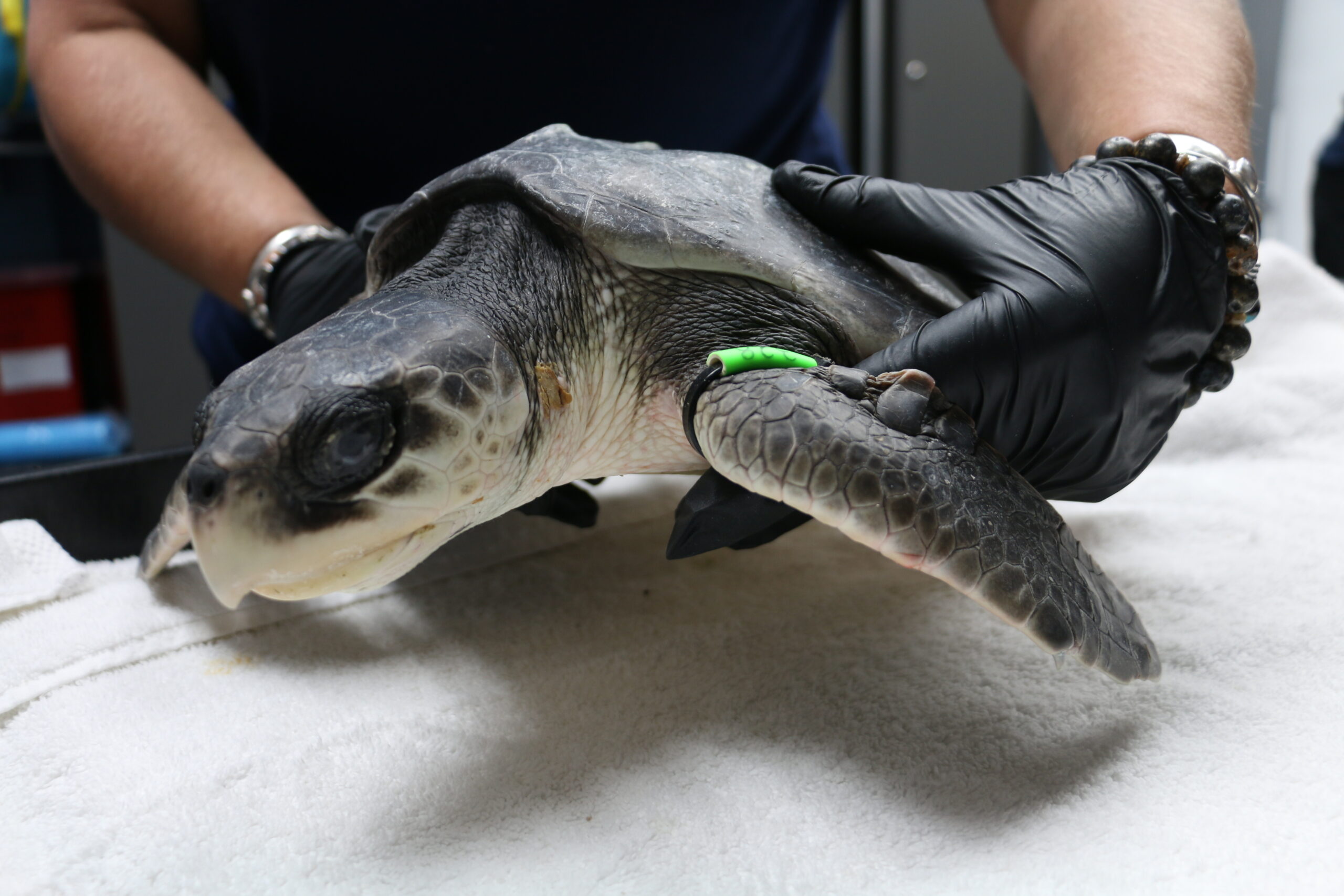
Between them they hold forest elephant, forest buffalo, western lowland gorilla, chimpanzees, mandrills, leopard, manatees and sea turtles, along with a range of marine species.
The forest elephant is worth naming precisely, because it is the species behind the most difficult part of this agreement. The IUCN split the African elephant into two species on March 25, 2021. The African forest elephant, Loxodonta cyclotis, was listed Critically Endangered after a decline of more than 86 percent over 31 years; the African savanna elephant, Loxodonta africana, was listed Endangered after a drop of at least 60 percent over 50 years. Until that split the two were assessed together, as a single species, and listed as Vulnerable.
The ministry’s name tells you the problem
Gabon’s signing ministry is the Ministry of Water and Forests, in charge of Human-Wildlife Conflict. That last clause is part of the ministry’s actual title, and it is there because forest elephants in Gabon raid crops. African Parks names conflict between people and wildlife, “particularly those involving elephants and the destruction of crops,” among the priority issues the plan has to understand and address.
This is the unromantic center of Central African conservation. A Critically Endangered animal is also, to a farmer on the edge of a national park, the thing that flattened a year of cassava overnight, and a partnership that cannot answer for that does not last. The plan commits to an environmental and social due diligence process, with consultation and safeguards for human rights and social protection, to guide the design.
What they said
“Gabon’s national parks constitute an exceptional heritage, the preservation of which relies on rigorous management and strong partnerships,” said Omer Ntougou Ndoutoume, executive secretary of the ANPN. “With this Priority Support Plan, we are taking a new step towards strengthening conservation and enhancement in Moukalaba-Doudou and Wonga-Wongue, whilst ensuring that local communities are fully taken into account.”
Peter Fearnhead, the chief executive of African Parks, said Gabon “possesses an extraordinary natural heritage and demonstrates a strong commitment to conserving it,” and that the plan “provides an opportunity to work together to better understand these landscapes, support their management and identify future needs.”
We looked for the zoos behind this and did not find any
African Parks names its early contributors to this project: Edith McBean and the Rob Walton Foundation. Neither is a zoological institution.
Nor is anyone else in the chain. The organization’s strategic funding partners page, read again today, lists 37 foundations, governments, lotteries, funds and individuals. It includes the European Union, the Global Environment Facility, the Dutch Postcode Lottery, the Howard G. Buffett Foundation, the Wyss Foundation, the Rainforest Trust, the US Fish and Wildlife Service and WWF. It does not include a single zoo, zoological society or aquarium, and no AZA, EAZA or WAZA member is identified anywhere on it.
That is the same answer this organization’s funding chain has given us before, on the Kgalagadi Transfrontier Park project in May. We report it as a finding rather than reaching for a connection. For scale on the other side of the question, the Association of Zoos and Aquariums reports that in 2025 its 235 accredited and certified facilities spent approximately $372.4 million on conservation across 139 countries. No published breakdown isolates how much of that reached Africa, so we are not going to estimate one.
The scale African Parks is working at
The organization now manages 24 protected areas across 13 countries, covering more than 20 million hectares in Angola, Benin, the Central African Republic, Chad, the Democratic Republic of the Congo, Ethiopia, Malawi, Mozambique, the Republic of the Congo, Rwanda, South Sudan, Zambia and Zimbabwe. Gabon would be the fourteenth, if the Priority Support Plan turns into the thing both sides are carefully not promising yet.
Quick answers
- What did Gabon and African Parks sign?
A Priority Support Plan covering Moukalaba-Doudou National Park and the Wonga-Wongue Presidential Reserve, signed in Libreville on October 28, 2026. It is African Parks' first official partnership in Gabon.
- Is this the same as African Parks taking over the parks?
No. A Priority Support Plan establishes a baseline and addresses the most urgent needs in staffing, infrastructure and operating systems. Both sides describe it as a foundation for a possible long-term management partnership rather than one already agreed.
- What animals live in the two areas?
Forest elephant, forest buffalo, western lowland gorilla, chimpanzees, mandrills, leopard, manatees and sea turtles, along with a range of marine species. The habitats run from lowland tropical forest and savanna to mangroves, coastal lagoons and beaches.
- Why does human-wildlife conflict come up so prominently?
Gabon's signing ministry is the Ministry of Water and Forests, in charge of Human-Wildlife Conflict, and that clause is part of its actual title. African Parks names conflict involving elephants and the destruction of crops among the priority issues the plan has to address.
- Which zoos or aquariums fund this?
None that we could verify. African Parks names Edith McBean and the Rob Walton Foundation as early contributors to this project, and its strategic funding partners page lists 37 foundations, governments, lotteries, funds and individuals. Not one is a zoo, zoological society or aquarium, and no AZA, EAZA or WAZA member is identified on it.
- How much does African Parks manage?
24 protected areas across 13 countries, covering more than 20 million hectares in Angola, Benin, the Central African Republic, Chad, the Democratic Republic of the Congo, Ethiopia, Malawi, Mozambique, the Republic of the Congo, Rwanda, South Sudan, Zambia and Zimbabwe.