
An orphaned polar bear cub from the Churchill area arrived at the Assiniboine Park Zoo in Winnipeg on the evening of August 20, 2026, and is now in the care of the Leatherdale International Polar Bear Conservation Center.
The cub’s mother was found dead. Conservation officers identified the cub as a candidate for transfer under Manitoba’s Polar Bear Protection Act, which is the legislation that makes this kind of rescue possible in the first place.
Why the cub could not be left
Research is unambiguous on the point: a polar bear cub orphaned in its first year cannot survive in the wild. It has neither the size to hunt seals nor the years of learning that go into doing it on sea ice.
That leaves two outcomes, and only one of them is a life. The Leatherdale facility exists for exactly that case: it was established with provincial support under the Polar Bear Protection Act as a refuge for bears that cannot be returned.
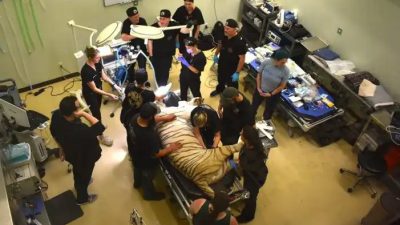
Assiniboine Park Conservancy’s Polar Bear Rescue & Care Team moved equipment and staff north to support the cub in Churchill while zoo veterinary staff traveled up to assess it and oversee the transfer to Winnipeg.
What happens now
The cub is in quarantine and behind the scenes while the veterinary and animal care teams work out its health and its needs. It is not on view, and the zoo has been careful to say that every rescued cub adapts on its own schedule.
“We’re fortunate to have a world class polar bear care facility at Assiniboine Park Zoo and grateful to be able to give this cub a safe home and new opportunity to thrive,” said Dr. Chris Enright, senior director of zoological operations.
The zoo already has six rescued polar bears: Storm, Nanuq, York, Kaska, Willow and Star. The last cubs to come in arrived in 2017, which is a measure of how uncommon this is.
The bigger pressure
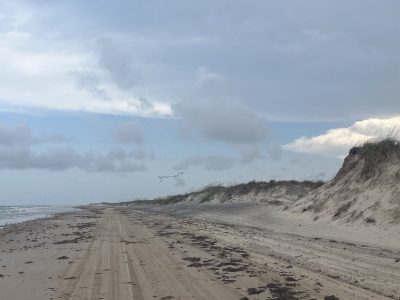
Churchill sits on the western shore of Hudson Bay, where the sea ice forms later and breaks up earlier than it once did. Polar bears there hunt seals from the ice; when the ice season shortens, bears spend longer on land, fasting, and females have less to give their cubs.
Which is what makes the Leatherdale facility unusual and worth understanding. Manitoba wrote a law specifically so that a cub in this position has somewhere to go, and then built a facility with the veterinary staff, the rescue team and the Arctic-grade habitat to receive it. Very few places in the world could have taken this cub. Winnipeg could, and did, within a day.
“It is always a sad day when there is an orphaned cub, particularly as polar bears face increasing pressures related to climate change,” said Dr. Stephen Petersen, director of conservation and research. “Our center was created to care for polar bears that cannot survive in the wild, and this cub will serve as an ambassador for its species, Churchill, and the Arctic.”
Orphaned cubs of other species end up in the same position for the same reason. An orphaned Pacific walrus calf rescued in Alaska in 2024 was declared non-releasable and placed permanently at SeaWorld Orlando.
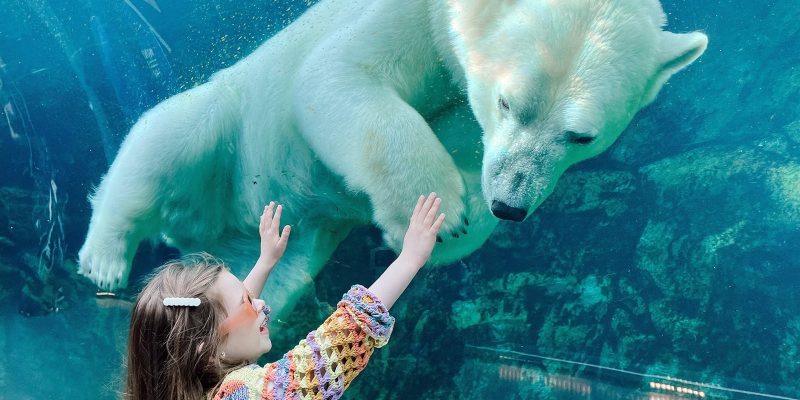
Assiniboine Park will share updates as the cub settles, and in time the cub will join the bears at Journey to Churchill, where the underwater viewing tunnels put visitors close enough to watch a polar bear swim directly overhead. It is one of the great animal experiences in North America, and every bear in it arrived the same way this one did.
Quick answers
- Where did the polar bear cub come from?
The Churchill area of Manitoba. The cub arrived at the Assiniboine Park Zoo in Winnipeg on the evening of August 20, 2026, after its mother was found dead, and is now in the care of the Leatherdale International Polar Bear Conservation Center.
- Why could the cub not be left in the wild?
Research is unambiguous that a polar bear cub orphaned in its first year cannot survive in the wild. It has neither the size to hunt seals nor the years of learning that go into doing it on sea ice.
- What is the Polar Bear Protection Act?
Manitoba legislation that makes this kind of rescue possible. Conservation officers identified the cub as a candidate for transfer under it, and the Leatherdale facility was established with provincial support under the same Act as a refuge for bears that cannot be returned.