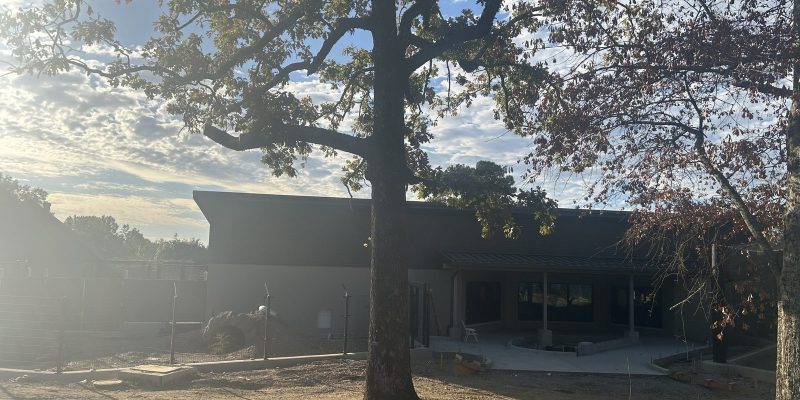
The Little Rock Zoo says Project Zoo: Wildly Reimagined has reached its final construction phase. Fencing is up around the new giant anteater habitat, sidewalks and pathways are being poured across the site, and the rebuilt amphitheater is taking its finished shape. The zoo did not give an opening date, and the reason it did not is the more interesting half of the announcement.
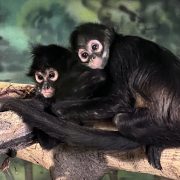
The project is remaking the area near the front gate, with new and expanded spaces for giant anteaters, capybaras and squirrel monkeys, Aldabra giant tortoises and lemurs, plus the amphitheater and the guest areas around it. Capybaras are the genuinely new faces: the others are species the zoo already holds and will be moving into better quarters.
What is actually finished?
The visible work. Exhibit fencing now outlines the anteater habitat, and part of that habitat’s outdoor run will carry glass viewing windows rather than mesh. Pathways are going in near the indoor viewing areas for the anteater, capybara and squirrel monkey habitats, which is what finally makes the shape of the place legible: the walkways decide how visitors will move through it, and until they were poured the site read as a set of unrelated buildings.
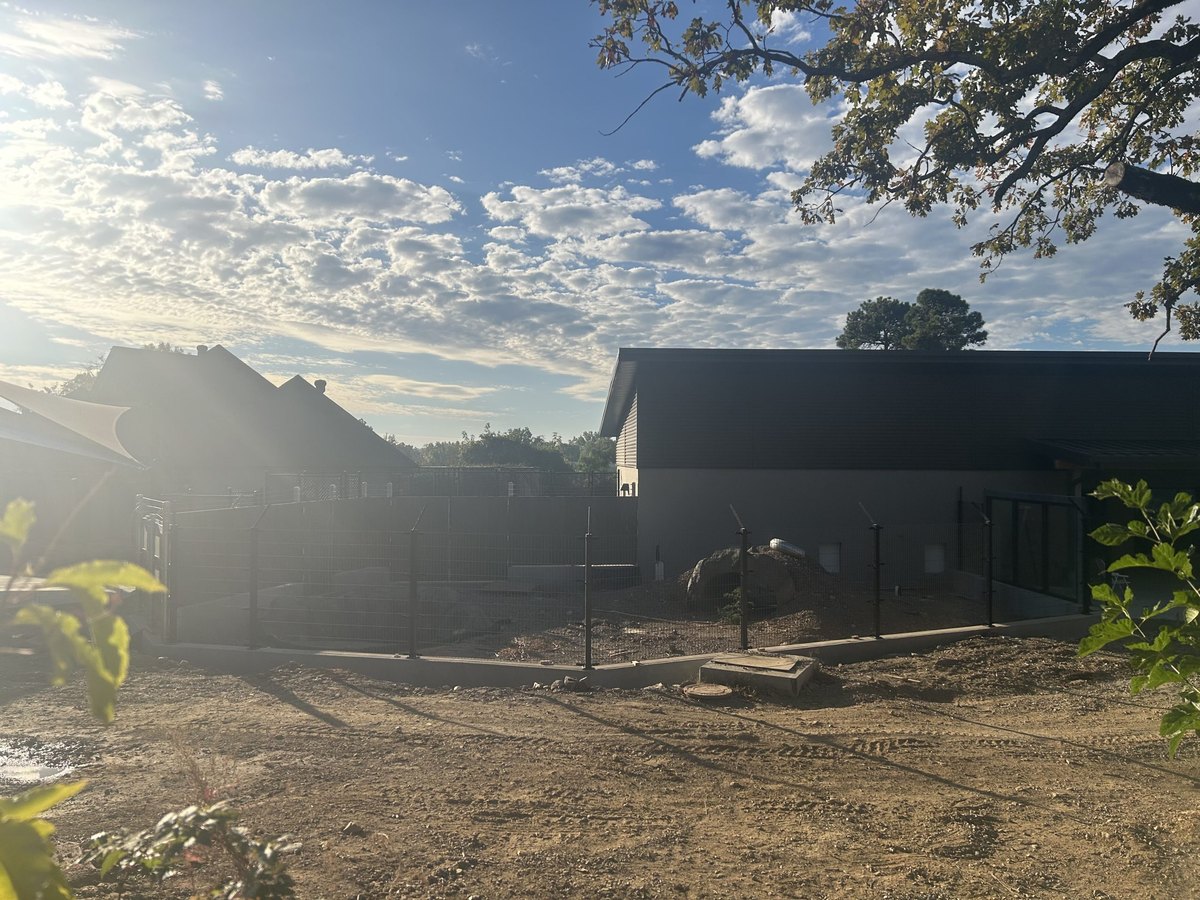
Indoors, the animal areas are being fitted out: the tortoise barn’s interior is built, and climbing structures are going into the lemur indoor viewing area. Shade structures are going up over the amphitheater seating, and the zoo says the smaller seating areas are meant to put guests closer to the animals than the old setup did.
Specialized crews are also finishing the shift doors. A shift door is the sliding gate between two parts of an animal’s space, and it is the single piece of hardware that decides whether a keeper can clean a yard, deliver food or let a veterinarian get a look without ever sharing a room with the animal. Every habitat in the project is getting them, and they are the reason a finished-looking building is not yet a usable one.
So why is it not opening?
Because the building was the fast part. The zoo’s animal care team is now working through transport logistics, quarantine requirements and the individual needs of each species. Some of the future residents are coming from other institutions, which means coordinating with those facilities and moving animals across state lines under permit. Others, including the Aldabra giant tortoises and giant anteaters already at Little Rock, only have to walk across the zoo, which gives the team more flexibility on timing.
Then the habitats have to be learned. An animal put into a new space needs time to work out where the shade is, which door leads where and what the routine is now, and keepers need time to watch them do it.
Two other teams are still ahead of opening day. Horticulture has the landscaping to do, which on a new build is not decoration but the thing that turns a fenced rectangle into a habitat with cover in it. The education team is writing the interpretive content, the signs that tell visitors what they are looking at and why it matters, and that content then has to go through design, production and installation.
Plants need time to root. Animals need time to settle. Signs take months to make. None of that shows up in a construction photograph, which is why zoo projects so often look finished long before they are.
What will visitors get?
A rebuilt front section with glass-fronted anteater viewing, an indoor lemur area built for climbing, a tortoise barn, an amphitheater with shade and close-in seating, and capybaras, which the zoo bills as the new faces of the project. The Little Rock Zoo has been selling capybara sculptures to fund the project, and buyers get recognition at the finished exhibit and an invitation to a preview before it opens to the public.
The Little Rock Zoo published its construction update on October 21. We wrote about the fundraising side of the same project earlier this year, in the zoo’s painted capybara sculptures, and the Association of Zoos and Aquariums sets out the accreditation standards that habitat builds like this one are measured against.
Quick answers
- What is Project Zoo: Wildly Reimagined?
A construction project remaking the area near the front of the Little Rock Zoo, with new and expanded spaces for giant anteaters, capybaras and squirrel monkeys, Aldabra giant tortoises and lemurs, plus a rebuilt amphitheater and the guest areas around it.
- When will the new habitats open?
The zoo has not given an opening date. Its October 21 update says major construction is entering its final phase, with animal moves, quarantine, landscaping, interpretive signage and settling-in time all still ahead.
- What is a shift door?
The sliding gate between two parts of an animal’s space. It lets animal care staff move an animal from one area to another so a yard can be cleaned, food delivered or a veterinary check carried out without a keeper sharing space with the animal. Every habitat in the project is getting them.
- Which animals are new to the Little Rock Zoo?
Capybaras. The zoo bills them as the new faces of the project. The Aldabra giant tortoises and giant anteaters already live at the zoo and will move across the site into the new habitats.