Every animal in the Seattle Aquarium’s Pier 59 and Pier 60 buildings is alive because of a pipe. Over a few days this month the aquarium began replacing the system of valves, pipes and connectors that carries seawater from Elliott Bay into those habitats, and while the work happens the flow is being paused, some habitats are closing, and guests are being asked to look at the touch pool animals without touching them.
The component at the center of it has a name most visitors will never have heard, and the aquarium’s own director of animal operations gave the best short explanation of it.
“If the pumps that bring seawater into the Aquarium are like a human heart, the header is the aorta.”
That is Tim Carpenter, the Seattle Aquarium’s director of animal operations. A header, in a life support system, is the large trunk line that takes everything the pumps deliver and distributes it onward to the individual branches. It is a single point through which the whole supply passes, which is exactly why replacing it means stopping the supply, and why an aquarium cannot simply swap one in on a quiet Tuesday.
Where does the water come from?
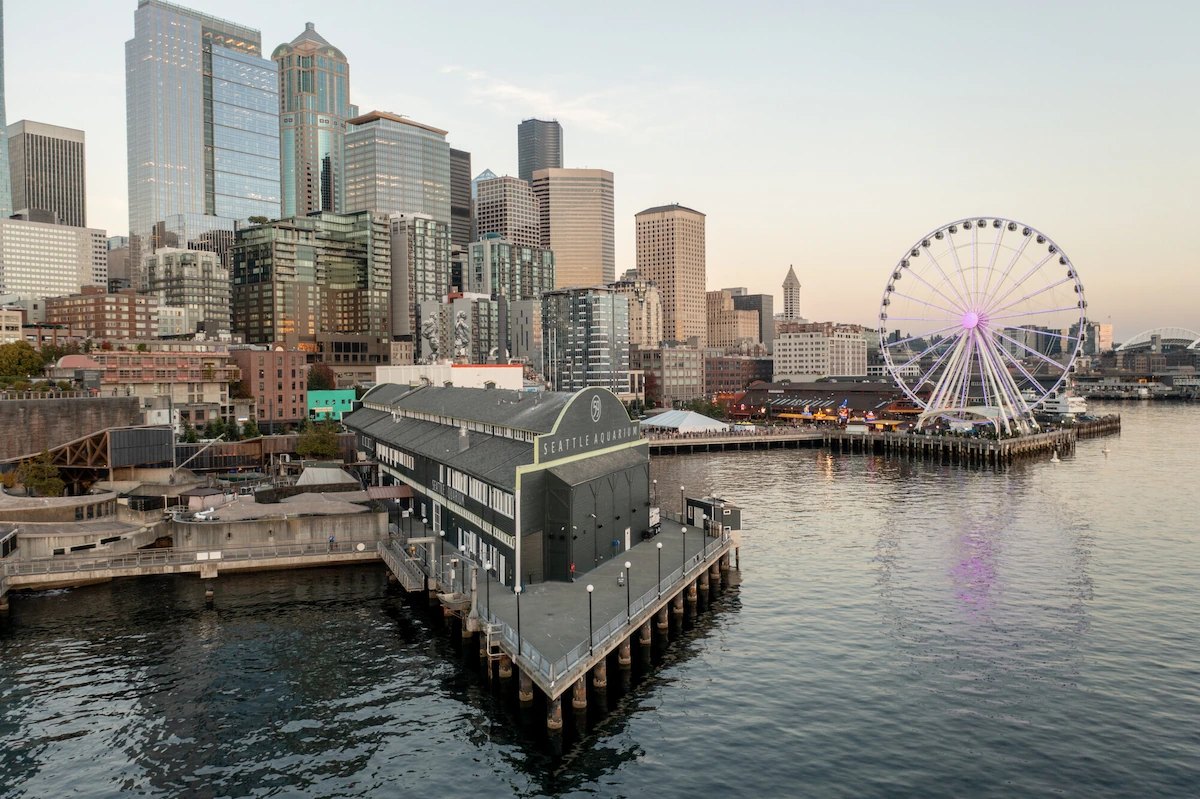
Elliott Bay, directly below Pier 59. Intakes sitting 20 feet above the seafloor draw seawater up into the buildings, and from there it is filtered or treated depending on where it is going. Using real bay water rather than mixing synthetic seawater is a deliberate choice: it tracks the temperature, chemistry and seasonal character of the water outside, which is the water most of these animals actually come from.
What happens after that depends on the building, and the aquarium runs three different arrangements at once.
Pier 59 and most of Pier 60, which hold the Pacific Northwest animals, run on open or semi-open systems. Water comes in from the bay, is filtered, is pumped through the habitats, and most of it is then pumped back out again. The Ocean Pavilion, which holds tropical animals, runs closed. Seawater is pumped from the Sound, filtered at the piers, sent by transfer pump to reservoirs at the Pavilion, and then altered as needed, heated for instance, to suit animals that would not survive Puget Sound. Ninety-six percent of that water is refiltered, recirculated and kept inside the building.
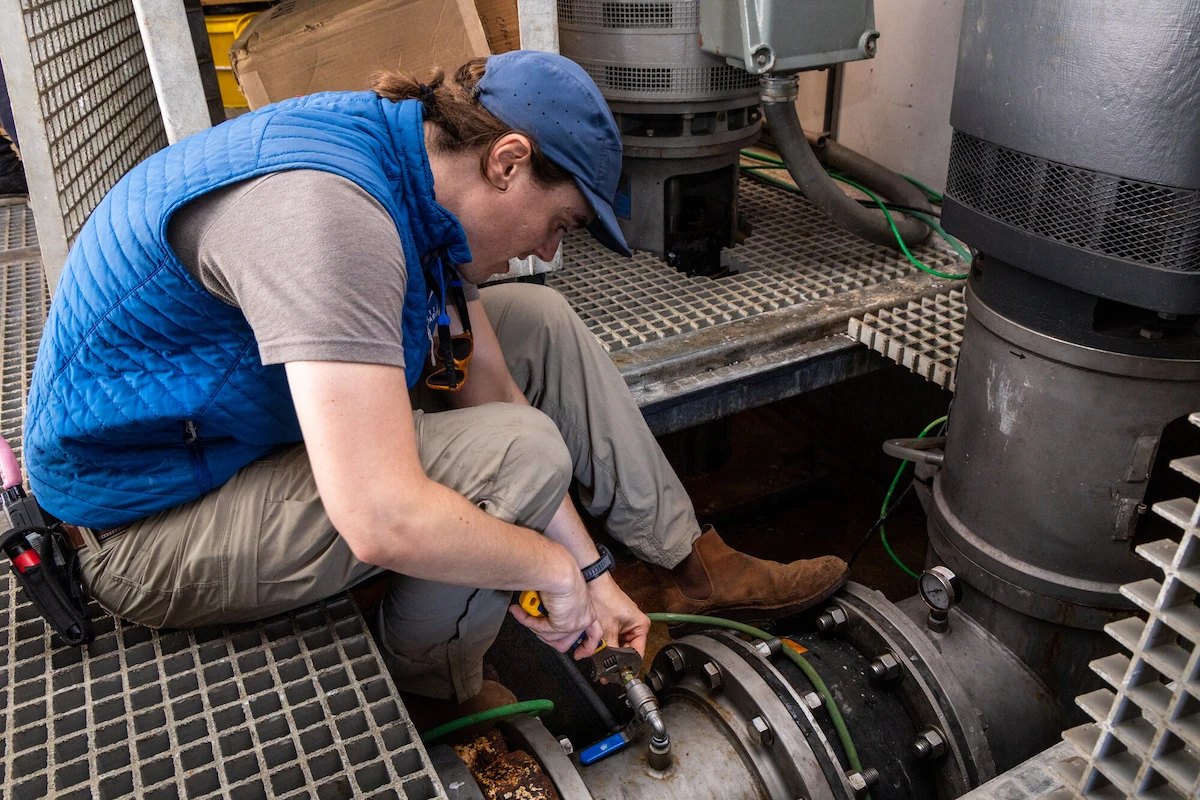
Aeration, dissolved oxygen, ultraviolet sterilizers, heaters and chillers all sit on top of that, which is why the aquarium employs engineers and not just aquarists.
What happens to the animals while the flow is off?
They stay where they are, and the margin gets managed. The aquarium says the temporarily reduced flow will not harm the animals in its care, but that it will increase their sensitivity to bacteria, which is the honest version of the risk: still water is not dangerous in itself, it just stops doing the work that moving water does.
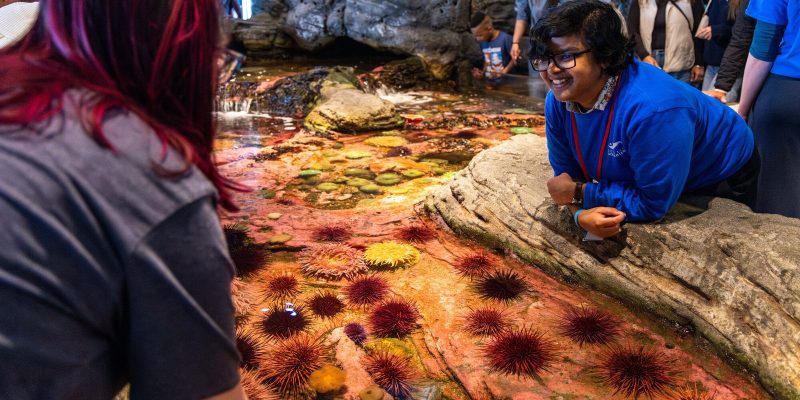
So the precautions are specific. In the Life on the Edge touch pools the animals remain in place, but for part of the work guests are asked not to put their hands in the water or touch anything. The salmon hatchery and the smaller habitats at the Closer Look Table close for part of the work. Moist towels are draped over rockwork in some Pier 59 and Pier 60 habitats, because the algae growing on it has to stay wet to survive. Small canisters appear around both piers feeding in supplemental oxygen to hold levels where they sit when the system is running normally.
And all of it happens in daylight hours, so that the engineering and animal care teams can watch the animals and the water quality the entire time rather than trusting a system overnight.
Why replace it now?
Because the benefits are the kind that compound: safety upgrades, more functionality, and new technology the aquarium says will let its operations run more sustainably. None of that is visible to a visitor, which is precisely the problem with life support infrastructure. It is the least photogenic capital work a public aquarium does and the most load-bearing, and it only becomes a story when it fails.
The useful thing about an aquarium publishing a piece like this is that it turns a few weeks of closed signs and no-touch requests into something a guest can follow. A visitor who knows what a header is understands why the sea star cannot be touched this week. That is a better trade than a vague apology sign.
Written from the Seattle Aquarium’s account of the system that keeps things flowing, published 13 November 2026. For more of this aquarium’s work below the waterline, see our report on its bluntnose sixgill shark research in Puget Sound.
Quick answers
- What is a header in an aquarium life support system?
It is the large trunk line that takes everything the pumps deliver and distributes it onward to individual habitats. The Seattle Aquarium's director of animal operations compares the pumps to a heart and the header to the aorta.
- Where does the Seattle Aquarium get its seawater?
From Elliott Bay directly below Pier 59, through intakes sitting 20 feet above the seafloor. The water is then filtered or treated depending on which habitat it is going to.
- Can you still touch the animals at the Seattle Aquarium during the work?
Not for part of it. The animals stay in the Life on the Edge touch pools, but guests are asked not to put their hands in the water while the seawater flow is paused, to protect the animals from contamination.