The High Court of Malawi gave over a courtroom, three judges put on their robes and wigs, and the barrister who rose to open the case was a law student arguing about pangolins that do not exist.
The case was invented. Everything around it was not. The Lilongwe Wildlife Trust built a moot competition around wildlife crime, and the final was heard in the High Court with sitting judges on the bench.
The mock case
Four finalists from the Environmental Justice and Sustainability Clinic at the University of Malawi took a brief alleging trafficking in pangolins and elephant ivory. Arguing it meant working through the National Parks and Wildlife Act, constitutional protections, and Malawi’s obligations under the Convention on International Trade in Endangered Species of Wild Fauna and Flora, the treaty that exists to keep international trade in wild animals and plants from driving species out of existence.
The Trust’s account of the hearing is about the quality of the argument rather than the result. The bench, it says, was struck by how the students handled evidentiary burdens, statutory interpretation and the protection of human rights inside a criminal investigation. Both sides were argued. Nobody was handed the easy side.

What happened after the final
The Trust published its account of the competition in February. Its impact report for 2025 to 2026, out in June, fills in what the February piece could not yet say, and the numbers are bigger than the final suggested. Twenty-eight students from the University of Malawi Law School took part through the clinic, with the four finalists taking the mock case in front of the High Court judges. The Trust describes the competition as newly established and says it plans to repeat the exercise with further cohorts of students.
That last line is the part worth holding on to. A one-off courtroom exercise is a nice photograph. A fixture that runs every year against a new cohort is a pipeline, and a pipeline is what the problem actually needs.
Why a mock trial is not a gimmick here
Malawi has spent a decade turning itself from a transit country into one that prosecutes. The Trust’s impact report puts the conviction rate for serious wildlife offences at 95 percent this year, which it calls the highest since 2017, with 93 percent for forestry cases. Pangolin cases, it says, have fallen consistently since 2021, an 80 percent reduction.
Numbers like that depend on people who can run the case. Prosecutors, defense counsel, magistrates and judges all have to be comfortable with a body of law that is specialized, internationally entangled and not what most law degrees spend their time on. Twenty-eight students who have argued an ivory and pangolin trafficking case in front of High Court judges before they graduate are twenty-eight people who will not be meeting that material cold.
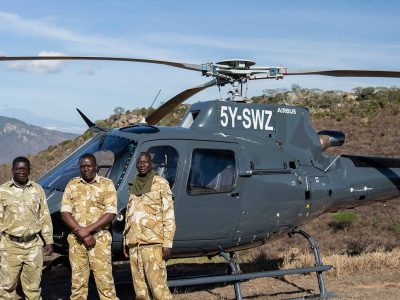
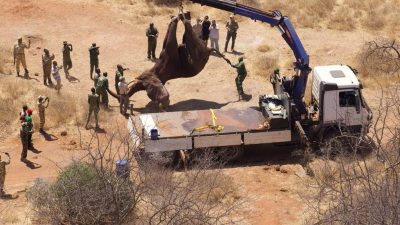
The Trust’s work on the ground runs alongside it. Its Wildlife Emergency Response Unit carried out 26 field operations over the same reporting year, with 59 percent of interventions addressing snaring and poaching, 15 percent human-wildlife conflict and 15 percent the illegal pet trade. The most complex was in Vwaza Marsh Wildlife Reserve, where the team removed a snare from a badly injured elephant after tracking her from the air and then on foot.
Who funds it
The Trust credits the UK Government, through its Biodiversity Challenge Funds, for supporting the nature crime program the moot sits inside. The honorary judges volunteered their time, and academic mentors and a student organizing committee at the University of Malawi ran the rest.
We went looking for an accredited zoo or aquarium in the funding chain and there is not one. The Trust publishes its donors, and the list runs to the Animal Welfare Institute, the Born Free Foundation, the Elephant Crisis Fund, Emergency Wildlife Rescue, the Ernest Kleinwort Charitable Trust, Explorers Against Extinction, Fondation Brigitte Bardot, Fondation Segre, the GEF Small Grants Program through UNDP, the High Ambition Coalition for Nature and People via the Earthshot Prize, Total Land Care, the Jean Sainsbury and Marchig animal welfare trusts, the Nyika Vwaza Trust, the Olsen Animal Trust, Ozone, the Pangolin Crisis Fund, a GIZ-implemented program for the German federal ministries BMZ and BMUV, Stichting Amfortas, the Thomas Family Charitable Trust, Tusk Trust, the UK Government’s Illegal Wildlife Trade Challenge Fund, the US Department of State’s INL bureau, the Wildcat Foundation and the Woodtiger Fund. Government partners run from the Anti-Corruption Bureau to the Directorate of Public Prosecutions. The Trust reports raising $4,831,600 for Malawi-based conservation in the 2025 to 2026 financial year, with 96 percent of spend going to direct project costs.
Twenty-six organizations and not a zoo among them. That is the finding, and we would rather print it than manufacture a connection. For scale, the Association of Zoos and Aquariums reports that 235 accredited and certified facilities spent roughly $372.4 million on conservation across 139 countries in 2025. No published breakdown isolates an African share of it, so we are not going to imply one here.
Lilongwe Wildlife Centre, which the Trust also runs, holds accreditations from the Global Federation of Animal Sanctuaries, the Pan African Sanctuary Alliance and the Born Free Foundation’s PAW initiative. It is a sanctuary rather than a zoological institution, which is why this story carries no facility hub.
Sources: Lilongwe Wildlife Trust, “Claw & Order: Environmental Moot Court Competition”, 16 February 2026, and the Trust’s Impact Report 2025-26, which supplies the participant numbers, the conviction rates and the donor list.
Quick answers
- What was the mock case about?
Alleged trafficking in pangolins and elephant ivory. Arguing it required the finalists to work through Malawi's National Parks and Wildlife Act, constitutional protections, and the country's obligations under CITES, the Convention on International Trade in Endangered Species of Wild Fauna and Flora.
- How many students took part?
Twenty-eight students from the University of Malawi Law School took part through the Environmental Justice and Sustainability Clinic, with four finalists arguing the mock case in front of High Court judges. The figure comes from the Trust's Impact Report 2025-26, not from its account of the final.
- Will the competition run again?
The Lilongwe Wildlife Trust says in its 2025-26 impact report that it plans to repeat the exercise with further cohorts of students. It describes the moot as newly established.
- What is Malawi's conviction rate for wildlife crime?
The Trust reports a 95 percent conviction rate for serious wildlife offences in the 2025-26 reporting year, which it calls the highest since 2017, and 93 percent for forestry cases. It also reports that pangolin cases have fallen consistently since 2021, an 80 percent reduction.
- Who presided over the final?
Judges of the High Court of Malawi, who the Trust says volunteered their time. Academic mentors and a student organizing committee at the University of Malawi ran the rest of the competition.
- Which zoo or aquarium funds the Lilongwe Wildlife Trust?
None. The Trust credits the UK Government's Biodiversity Challenge Funds for the nature crime program the moot sits inside, and its published donor list runs to 26 organizations, from the Animal Welfare Institute to the Woodtiger Fund, with no zoo or aquarium among them. Lilongwe Wildlife Centre is accredited by the Global Federation of Animal Sanctuaries and the Pan African Sanctuary Alliance, which are sanctuary bodies rather than zoo associations.