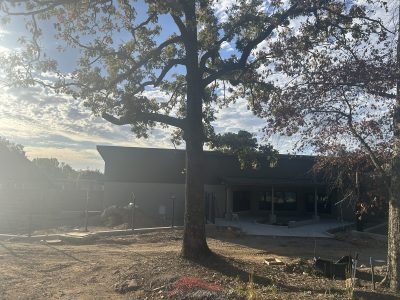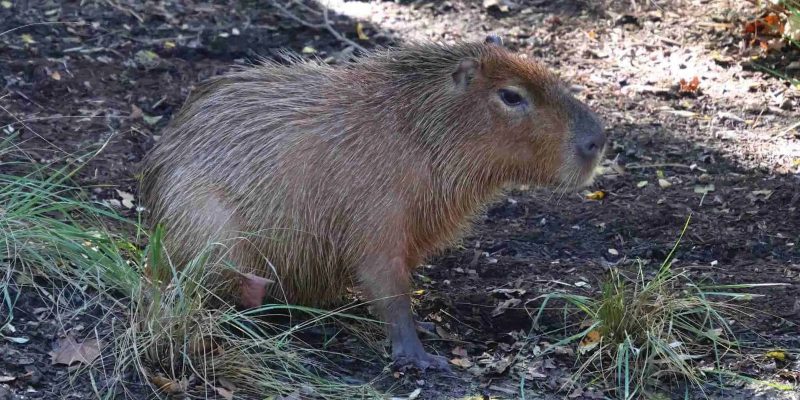
The Saint Louis Zoo has joined two separate animal yards at River’s Edge into a single capybara habitat, and a six-year-old female named Nala is the first animal living in it. The two yards were divided by a wide moat; they are now one space, with two pools in it. Nala is the first capybara at the zoo in nearly two years.
She arrived over the summer from Cleveland Metroparks Zoo on a recommendation from the Association of Zoos and Aquariums Capybara Species Survival Plan, the managed breeding program that decides which animals move where across accredited institutions. A second capybara, from another AZA facility, is due to join her later this fall on the same program’s recommendation.
What actually changed in the habitat?
Three things, and the count matters more than the word “renovation” suggests. First, the footprint: two yards became one larger connected space, so an animal that used to have one enclosure now has the run of both sides of what was a dividing line. Second, the water. There are two pools, one rebuilt and one entirely new, and the new one has a sloped entry rather than a drop, which means a capybara of any age or size can walk in and walk out. Third, the gates. The new ones let keepers work inside the habitat with the animal rather than only from outside it, which is how training and enrichment sessions happen day to day.
The zoo also replanted the space throughout. The stated reason for the rebuild is that animal care standards for the species have moved, and the old pair of yards no longer met what capybara need for enrichment and for room to grow.
Why two pools for one rodent?
Because capybara are swimmers before they are anything else. In South America they live along riverbanks and spend much of the day in and out of the water, and they can sleep submerged with only their nostrils above the surface. A sloped entry is not a courtesy feature on a habitat like this one. It is the difference between water an animal can use whenever it wants and water it has to be fit enough to get into.
“It’s so rewarding to see Nala make herself at home in this renovated habitat,” said Katie Pilgram-Kloppe, the zoo’s Curator of Ungulates and River’s Edge. “Capybara is a favorite species for many guests, and we’re so excited for guests to meet Nala and give her a warm welcome.”
What will you see?
A very large rodent, on purpose. Capybara are the biggest rodents alive, and the thing that surprises most people meeting one is the scale: a shoulder height closer to a labrador than to anything else in the rodent family, and a blunt, calm face that looks nothing like a mouse. Nala has the new pools to work with and a planted bank to sit on, and River’s Edge is the zoo’s riverine section, so she is in the part of the grounds the habitat is built to echo.
Capybara are widespread and abundant across Central and South America, which makes this a particular kind of zoo story: no recovery program, no population crisis, nothing at stake except whether a familiar animal is housed well. The answer here is two yards’ worth of space and a pool she can walk into.
Where this sits in a busy autumn
The Saint Louis Zoo has been moving a lot of animals this fall under Species Survival Plan recommendations, and capybara have been having a run of it across the country more generally. The San Francisco Zoo opened a capybara habitat of its own this month, which we covered here, and Saint Louis brought lions back to the zoo in September after a gap of its own, which is here.
The zoo’s own announcement is here. Nala is on habitat at River’s Edge now.
Quick answers
- What changed in the Saint Louis Zoo capybara habitat?
Two animal yards at River's Edge that were separated by a wide moat were joined into one larger space. It has two pools, one rebuilt and one new, new landscaping throughout, and new gates that let keepers run training and enrichment sessions inside the habitat.
- Who is Nala?
A six-year-old female capybara, the first resident of the renovated habitat. She arrived at the Saint Louis Zoo over the summer of 2026 from Cleveland Metroparks Zoo.
- How long had the Saint Louis Zoo been without capybara?
Nearly two years. Nala is the first capybara at the zoo since 2024.
- Why did the zoo move her here?
On a recommendation from the Association of Zoos and Aquariums Capybara Species Survival Plan, the managed breeding program that coordinates which animals move between accredited institutions.
- Will there be a second capybara?
Yes. The zoo says a second capybara from another AZA-accredited facility will join Nala later in the fall of 2026, also on a Species Survival Plan recommendation.
- Why does a capybara habitat need pools?
Capybara live along riverbanks in Central and South America and are strong swimmers that can sleep submerged with only their nostrils above the water. The new pool has a sloped entry rather than a drop, so a capybara of any age or size can get in and out unaided.