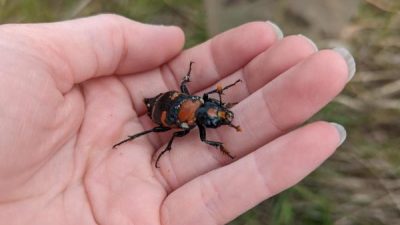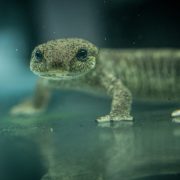


The Oregon Zoo released 1,304 Oregon silverspot larvae along the Oregon coast this summer. The animals went into the wild as caterpillars rather than butterflies, reared at the zoo and left to complete their transformation into adults on the coastal grasslands where the species has grown scarce.
The Oregon silverspot was once common in coastal grasslands from Northern California north into British Columbia. It now survives in a handful of isolated populations, and has been listed as threatened under the Endangered Species Act since October 15, 1980.
Why Nestucca Bay and Saddle Mountain
Wildlife biologists are working to establish additional populations at Nestucca Bay and Saddle Mountain, and the reason is a flower. Early blue violets are the main food source for silverspot caterpillars as they mature, and the Oregon coastal range is one of the few places left where the violets still bloom in quantities large enough to sustain a butterfly population. Elsewhere they have been choked out by invasive weeds and by forest succession, the gradual closing in of trees and shrubs over open grassland.
“Oregon silverspots can only thrive in certain environments, and much of their former habitat has been lost,” said zoo conservation propagation specialist Julia Low. “But we can still give them a fighting chance at survival.”
How the zoo grows a year’s worth of butterflies
Each summer field biologists collect a small number of female silverspots and bring them to the Oregon Zoo to lay eggs. The eggs hatch into tiny caterpillars, which the zoo keeps safe through their winter dormancy. In spring they wake to a leafy meal and grow quickly, and when the timing is right the zoo and its conservation partners transport them to field sites for release.
About 80 caterpillars stayed at the zoo this year, a rear guard that will become adult butterflies on grounds, then breed and lay the eggs for next year’s release. In 2019 the Oregon Zoo became the first facility to successfully breed silverspots.
The zoo has released more than 36,000 Oregon silverspot butterflies since the program began in 2000, working with the Oregon Parks and Recreation Department, the U.S. Fish and Wildlife Service and Seattle’s Woodland Park Zoo.
It is the same approach the Oregon Zoo takes with other small native species that need a head start through their most vulnerable stage, including the northwestern pond turtle hatchlings that arrived at the zoo this summer.
Quick answers
- How many butterflies has the Oregon Zoo released?
More than 36,000 Oregon silverspot butterflies since the program began in 2000, including 1,304 larvae released this summer.
- Where are the silverspots released?
Along the Oregon coast, including Nestucca Bay and Saddle Mountain, where biologists are working to establish additional populations.
- What do Oregon silverspot caterpillars eat?
Early blue violets are their main food source as they mature. The Oregon coastal range is one of the few places the violets still bloom in quantities large enough to sustain a butterfly population.
- Is the Oregon silverspot butterfly endangered?
It has been listed as threatened under the Endangered Species Act since October 15, 1980. It once ranged from Northern California into British Columbia and now survives in a handful of isolated populations.