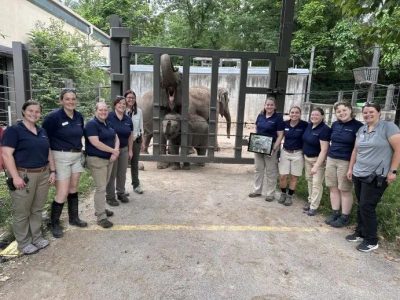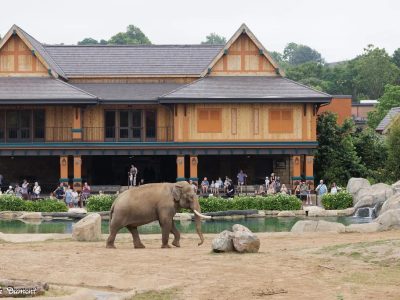

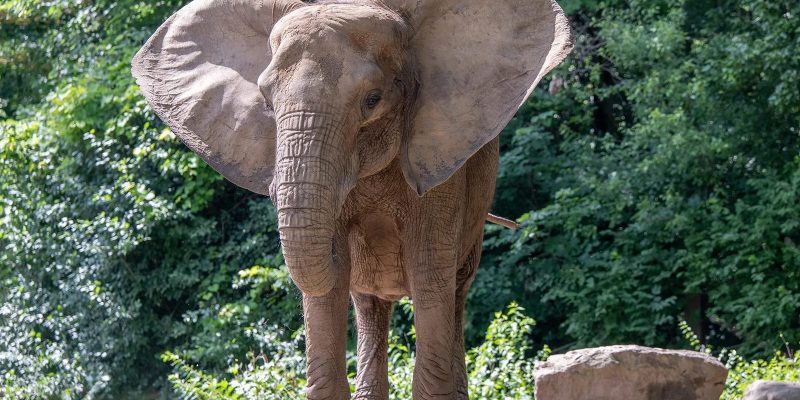
The Pittsburgh Zoo and Aquarium and its International Conservation Center in Somerset County have reshuffled their elephant herds, moving four animals between the two sites and bringing in two from Canada.
The zoo announced the moves on July 2, 2026. Savanna, 44, and her 17-year-old daughter Angeline transferred from Pittsburgh to the Conservation Center. Two African elephants aged 42 arrived from Canada: Jeannot, a male, went to the Conservation Center, and Carole joined 47-year-old matriarch Natasha, known as Tash, in Pittsburgh.
Splitting breeding from geriatric care
The moves continue a plan set in motion last fall, when Zuri and Victoria relocated to the Conservation Center. The zoo says it planned them with the Association of Zoos and Aquariums and outside wildlife experts, with the aim of keeping family groups intact at the Conservation Center while animals in Pittsburgh keep access to specialized geriatric care.
Speaking to the Pittsburgh Post-Gazette, which published an exclusive on the transfers the same day, zoo president and CEO Dr. Jeremy Goodman laid out the reasoning.
“We wanted younger elephants of breeding age at the Conservation Center, which left one of the girls here, which is Tash,” Goodman told the paper. “Elephants are social creatures; you never want a solo elephant.”
New genes in the North American population
Jeannot adds a second male at the Conservation Center, where seven females live, including offspring of Jackson, the long-resident bull who turned 50 this year.
“We knew we would need another male to breed with the younger ones and potentially with the older ones with new genes,” Goodman said. He added that Jeannot’s genes are not represented in the North American population, which opens an opportunity to widen the gene pool.
Acquiring Carole and Jeannot from Canada’s Accredited Zoos and Aquariums took about three years, working through the AZA and securing permits. The AZA established its African Elephant Species Survival Plan in the 1980s to cover husbandry, veterinary care, conservation needs, research priorities and ethical questions.
Matching two matriarchs
Pairing Carole with Tash took some care. Tash is large and inclined to dominate, so the zoo needed a female of comparable size, age and temperament rather than one who would simply give way.
“Carole is holding her own, and this is Tash’s home turf,” Goodman said. The introduction is being taken slowly.
Carole was not yet on view when the zoo announced the moves, while staff watch how the pairing develops. Guests can also visit the Conservation Center herd through scheduled tours, educational programming and special events.