
The Columbus Zoo has given more than 500,000 dollars to the world’s only bonobo sanctuary since 2000. Part of it comes out of admissions and memberships.
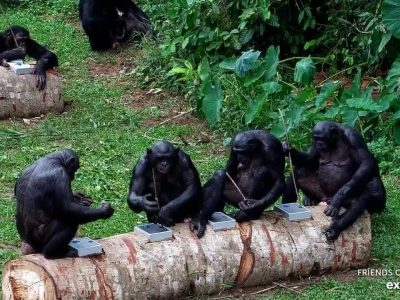
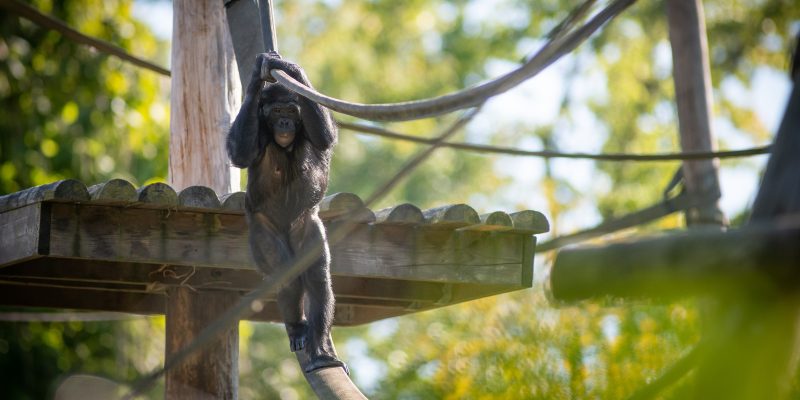
Lola ya Bonobo, outside Kinshasa in the Democratic Republic of Congo, is the only sanctuary for bonobos anywhere, and the only organization that has ever returned bonobos to the wild, at its release site Ekolo ya Bonobo. The Columbus Zoo states the funding figure plainly on its own site.
What a three-year operations grant means
In March 2023 the zoo announced a three-year operations grant covering veterinary medicine, bonobo food, cleaning supplies, staff costs and preparing bonobos for rewilding at Ekolo.
Read that list again. It is not a research project or a named initiative. It is food, cleaning supplies and wages, which is what an organization actually runs on and what is hardest to raise money for. Donors like naming rights. Almost nobody wants to fund detergent.
The zoo listed where the money comes from: private donations, the Sulatalu Fund, its Wine for Wildlife fundraiser, and zoo admissions and memberships.
“This new model strengthens the bond between our two organizations and demonstrates our commitment to Lola ya Bonobo’s critical work on behalf of bonobos.”
Dr. Michael Kreger, vice president of conservation, Columbus Zoo and Aquarium
The grant amount was not disclosed.
Two more institutions
Twycross Zoo in the UK states that through its Conservation Welfare fund it helps with the daily running of Lola ya Bonobo, and that it has supported the project since 2007. Jacksonville Zoo and Gardens lists Lola ya Bonobo as a conservation project without giving amounts or dates.
An honest caveat: Friends of Bonobos, the sanctuary’s US arm, names no institutional funders on its own pages. This entire funding chain is documented from the zoos’ side, not the recipient’s. That is common and it is worth saying out loud, because it means the public picture of who pays for conservation is assembled from whoever chooses to publish it.
The rest of the relationship
Columbus also funds Lola’s education facility for Kinshasa residents, which runs bonobo encounters, school kindness clubs and public film screenings on disease transmission. It named its indoor bonobo habitat after Lola’s founder Claudine André and gave her its Commitment to Conservation Award in 2013.
Bonobos exist in one country and nowhere else. There is one sanctuary. Three accredited zoos are named as paying for it, and one of them has been doing so for twenty-six years.
Twycross also appears in the funder list for Ape Action Africa in Cameroon, which is a reminder of how small the set of institutions doing this actually is.
Sources: Columbus Zoo and Aquarium; Twycross Zoo; Friends of Bonobos.