
The Maryland Zoo in Baltimore is collecting broken and unwanted holiday lights for recycling through January 31, 2027. Drop them at the Main Gate entrance booths during zoo hours, hand them to a ticketing agent, and go: there is no admission ticket required to do it.
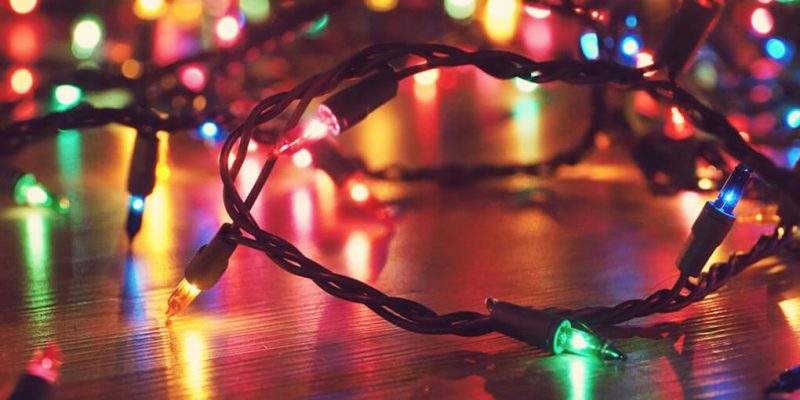
The zoo will take traditional string lights, LED strands and extension cords. Working or broken makes no difference, and tangled is fine. The zoo is explicit that nobody needs to spend an evening unpicking a knot of last year’s lights before bringing them in, which removes the one obstacle that keeps most of these boxes in the basement for another year.
Why does a zoo want your old Christmas lights?
Because of what is inside them. A string of lights is mostly copper wire, and copper is worth recovering. Reclaiming it from a strand that already exists reduces demand for newly mined copper, and mining is where the connection to animals becomes direct rather than rhetorical.
Copper extraction disturbs habitat, and the zoo names three species affected by mining in their ranges: chimpanzees, okapi and chinchillas. Those are not arbitrary examples. Okapi are found only in the forests of the Democratic Republic of the Congo, which is also one of the most heavily mined landscapes in the world, and the Maryland Zoo keeps both okapi and chimpanzees. The animals in the argument are animals the people making it look after.
The chain from a tangled strand to a forest is longer than most recycling appeals admit, and the zoo does not oversell it. The claim is that materials recovered are materials not mined, repeated at enough scale to matter. What the program buys reliably is the simpler thing: lights that reach a recycler instead of a landfill, from people who would otherwise have had nowhere convenient to take them.
What else is worth knowing before you go?
Electrical cable is one of the more awkward items in household waste. It is a mix of metal and plastic insulation, which means curbside systems generally will not take it, and the metal is valuable enough that specialist recyclers will. That mismatch is exactly the gap a collection point like this one fills, and it is the reason the zoo can accept extension cords alongside the lights themselves.
The collection runs now through the end of January, which covers the entire window in which people take decorations down and discover which strands did not survive storage. The Main Gate booths are open during normal zoo hours, and a drop-off takes about as long as it sounds like it should.
The Maryland Zoo runs a steady line of this kind of programming alongside its animal work, from seasonal events at the zoo itself to conservation projects further afield, including its long-running work with Panamanian golden frogs. The lights drive sits inside a wider electronic recycling effort the zoo runs year round. For what happens to electronics more generally once they leave your hands, the Environmental Protection Agency’s guidance on electronics donation and recycling covers the categories that cause people the most trouble.
Quick answers
- Where can I recycle holiday lights at the Maryland Zoo?
At the Main Gate entrance booths during zoo hours. Hand them to a ticketing agent. No admission ticket is required to drop them off.
- What kinds of lights does the zoo accept?
Traditional string lights, LED lights, tangled strands and extension cords, working or broken. There is no need to untangle them first.
- How long does the collection run?
From now through January 31, 2027.
- Why does recycling old lights help wildlife?
String lights are largely copper wire. Recovering copper from old strands reduces demand for newly mined copper, and mining disturbs habitat. The zoo names chimpanzees, okapi and chinchillas as species affected by mining in their ranges.