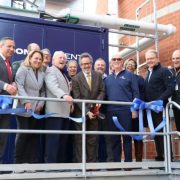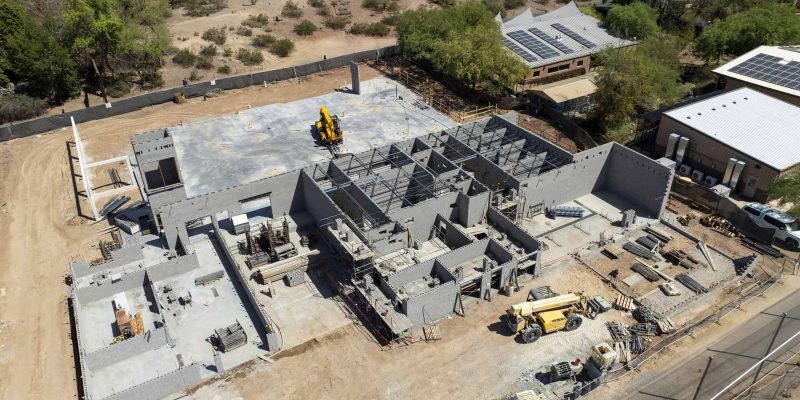
The Phoenix Zoo is retiring an animal hospital that has been in service for more than fifty years, and the building going up to replace it is only half the job. Two projects are now close to complete on the zoo’s Papago Park campus: a 27,000-square-foot Veterinary Medical Center, and the Doornbos Animal Rescue and Care Center, which is two separate buildings of quarantine and rescue space. Both sit inside what the zoo calls the Kemper and Ethel Marley Foundation Animal Care and Conservation Campus, and in a progress update on November 11 the zoo described walls up, rooms taking shape and equipment finding its place.
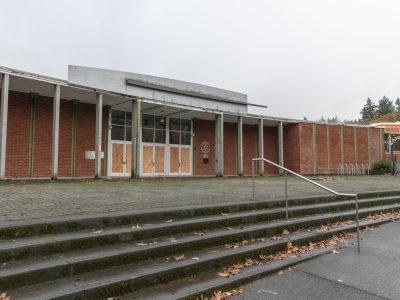
The hospital being replaced is the Joyce Corrigan Memorial Care Center, which has looked after the collection for over half a century. The building taking over from it is designed for more than 3,000 animals from nearly 400 species.
What is actually being built?
The Veterinary Medical Center is one building with two named programs inside it: the Midwestern University Zoological Medicine Institute and the JoEllen and Philip Doornbos Veterinary Student Center. It brings modernized equipment, expanded treatment areas and more room for animals that have to stay in the hospital, and its diagnostic list includes a CT scanner, which puts the Phoenix Zoo among the few zoological facilities in the country with one on site.
Two features are worth noticing because they point outward rather than inward. The first is a set of public viewing opportunities, so guests can watch selected medical procedures and hear what is being done. The second is teaching space. Fourth-year students from the College of Veterinary Medicine at Midwestern University, a graduate health sciences university in Glendale that has partnered with the zoo since 2013 and graduates more than 100 veterinarians a year, work alongside the zoo’s veterinary team.
“This facility will not only enhance our veterinary capabilities but also serve as a dynamic learning environment for the next generation of wildlife veterinarians,” said Dr. Gary West, the zoo’s senior vice president of animal health and collection, when the project broke ground. “Veterinary students will continue to have the invaluable opportunity to train alongside our experienced veterinary team, gaining hands-on experience in zoological medicine.”
What is a quarantine building for?
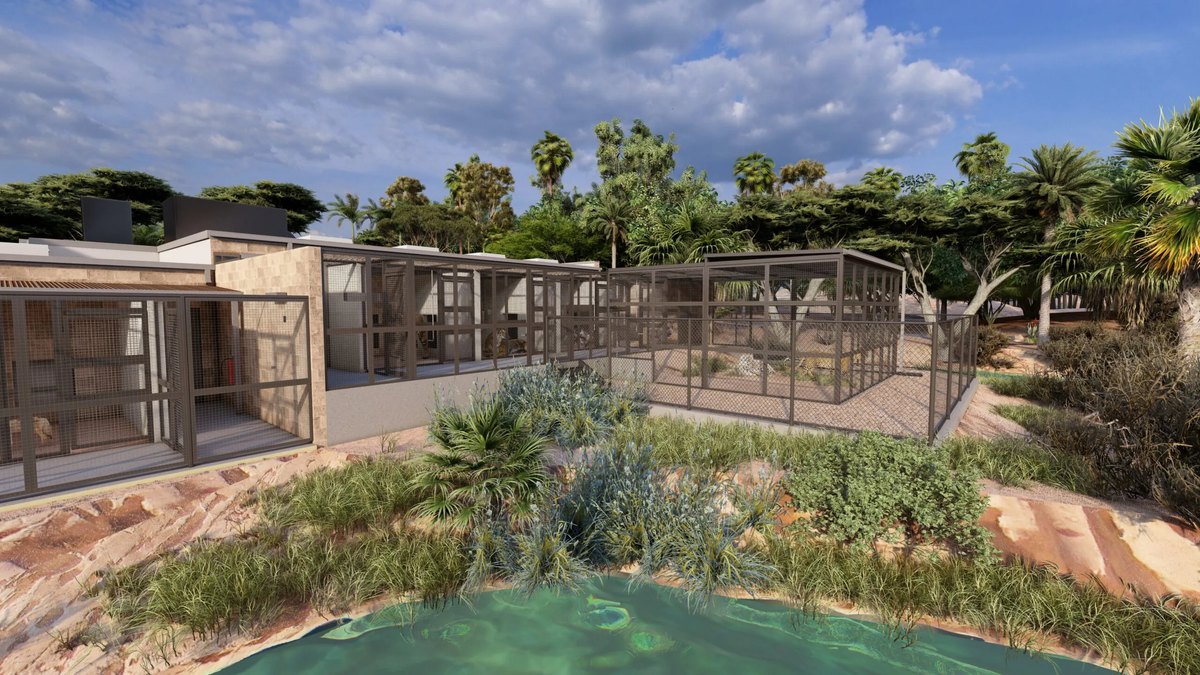
The Doornbos Animal Rescue and Care Center is the other half, and it answers a question most visitors never think to ask. Quarantine, at a zoo, is a defined period during which an animal lives in a space separate from everybody else. It is not only about disease. The zoo lists five jobs for that space: giving a new arrival time to settle, letting veterinarians assess its health, letting keepers learn an individual’s nutrition, training and behavior needs, holding a breeding pair quietly when a recommendation calls for it, and keeping anything contagious away from the rest of the collection.
The zoo’s current quarantine and holding spaces are, by its own description, limited and outdated. The Doornbos ARCC replaces them with two buildings and generous indoor and outdoor space, built deliberately flexible so that whatever arrives can be housed.
And the point of that flexibility is that not everything arriving is planned. The center is meant to take in wildlife that has been trafficked and confiscated, injured, abandoned or orphaned, including animals that are not the zoo’s own and have nowhere else to go. When authorities intervene in a trafficking case, somebody has to have a room ready that afternoon.
Who is paying for it?
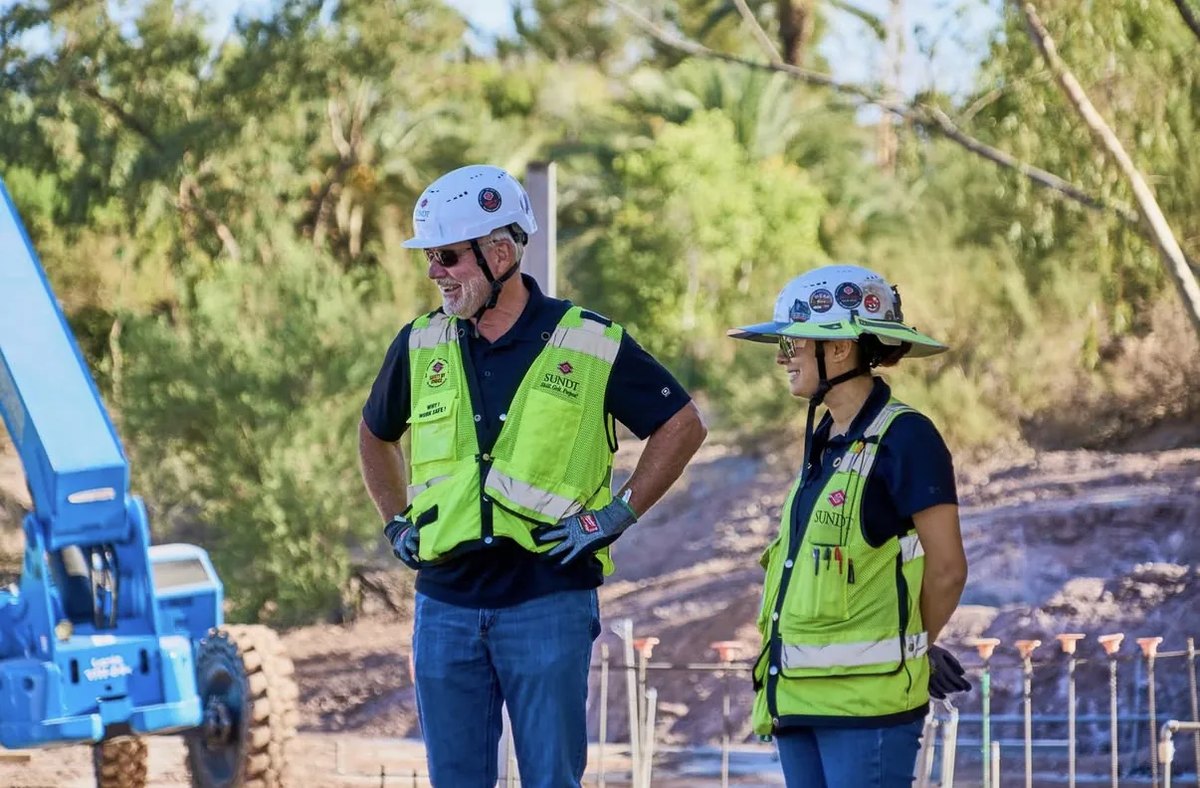
The Veterinary Medical Center is the subject of a $25 million campaign, which stood at $23.9 million raised when the project broke ground. Sundt Construction, the builder, pledged to put the project up at cost, and by taking on the hospital and the rescue center at the same time it found efficiencies that cut the combined bill further. Sundt has also contributed in-kind work and pushed its subcontractors and project partners to donate time, materials and expertise. The company has been in business since 1890, and its foundation reports more than $20 million donated since 1999 alongside more than 25,000 hours of employee volunteering.
Thunderbirds Charities, the giving arm of the organization behind the WM Phoenix Open, put in $500,000, and the laboratory inside the new hospital carries that gift. At the top of the project’s donor roll, at $500,000 and above, are JoEllen and Philip Doornbos, Sundt Construction and the estate of Lindsey Bishopric-Parento. A donor has since offered a $100,000 match for gifts to the rescue center as it heads into its final stretch.
“We are incredibly grateful to all the project supporters, organizations, individuals and Zoo members who have come forward to make this vision a reality,” said Bert Castro, president and chief executive of the Phoenix Zoo. “This project reflects what we can achieve together as a community.”
When does it open?
The groundbreaking was held on March 6, 2025, at the site along the zoo’s Outer Africa Trail, and construction began that May. The schedule has moved since: the groundbreaking announcement expected completion in late 2026, by that June the zoo was saying fall 2026, and the project page now puts the Veterinary Medical Center in spring 2027. No opening date has been announced for the Doornbos ARCC.
There will be plenty waiting for the place. The Phoenix Zoo is one of the facilities breeding a species that came through a bottleneck almost nothing survives: every Mexican wolf alive today descends from seven animals, and that kind of work is veterinary work before it is anything else. The difference the new building makes to a guest is smaller and stranger: a window, and the chance to stand at it and watch a veterinarian work.
Quick answers
- What is the Phoenix Zoo building?
Two projects on one campus. The Veterinary Medical Center is a 27,000-square-foot hospital containing the Midwestern University Zoological Medicine Institute and the JoEllen and Philip Doornbos Veterinary Student Center. The Doornbos Animal Rescue and Care Center is two further buildings of quarantine and rescue space. Both sit inside the Kemper and Ethel Marley Foundation Animal Care and Conservation Campus.
- When will the Phoenix Zoo's Veterinary Medical Center open?
The project broke ground on March 6, 2025 and construction began that May. The groundbreaking announcement expected completion in late 2026, by June 2025 the zoo was saying fall 2026, and the zoo's project page now puts it in spring 2027. No opening date has been announced for the Doornbos ARCC.
- What is the Doornbos Animal Rescue and Care Center for?
Quarantine, holding and rescue. It gives new arrivals a separate space while veterinarians assess their health and keepers learn their needs, holds breeding pairs quietly when a recommendation calls for it, and keeps contagious disease away from the rest of the collection. It is also built to receive wildlife that is not the zoo's own: animals that have been trafficked and confiscated, injured, abandoned or orphaned.
- What will be in the new hospital?
Modernized equipment, expanded treatment areas, more in-hospital care capacity and a CT scanner, which few zoos have on site. It replaces the Joyce Corrigan Memorial Care Center, in service more than 50 years, and is designed for over 3,000 animals from nearly 400 species. Guests will be able to watch selected procedures through public viewing windows.