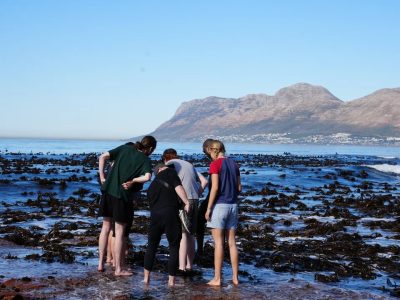

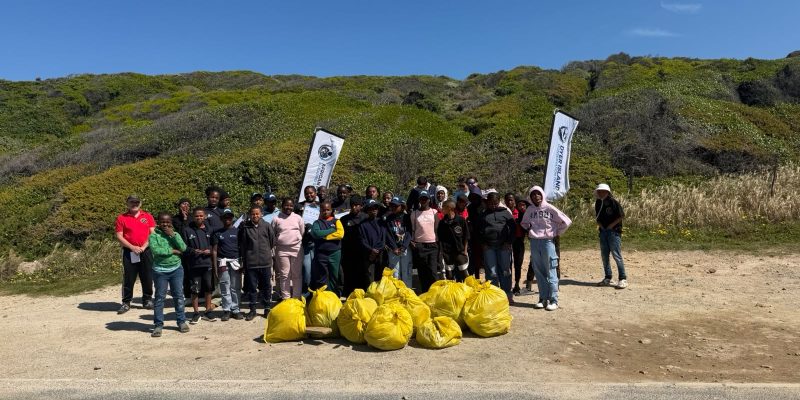
Thirty-four volunteers walked the Kruismansbaai coastline at Danger Point on September 19, 2026 and took 53 kilograms of waste off it. One kilogram of that was ghost gear: lost or discarded fishing line pulled out of a single recovery bin. The Dyer Island Conservation Trust, which runs the African Penguin and Seabird Sanctuary a short way up the same coast, organized the clean-up as its contribution to this year’s International Coastal Cleanup, and the weight is not actually the headline. The list is.
Why does a beach clean-up count what it collects?
Because a bag of rubbish tells you nothing and a tally tells you a great deal. Volunteers at Kruismansbaai recorded the type and quantity of every category of waste they picked up, and those records go into the national marine litter dataset coordinated by the Sustainable Seas Trust. One beach on one Saturday is a data point. Several hundred of them, gathered the same way over several years, start to show which materials dominate, which stretches of coast are worst, and where the waste is coming from ashore.
That is the difference between tidying and evidence. A policy argument about single-use packaging or fishing gear disposal is won or lost on whether anybody can show what is actually on the beach, and the only way to know is for somebody to write it down while they are bent over picking it up.
The one kilogram that matters most
Ghost gear is fishing equipment that has been lost, abandoned or thrown away and is still in the water: line, rope, netting, hooks. It is the category with a body count. Monofilament line does not rot on any useful timescale, it is close to invisible in water, and it keeps its shape, so a bird or a seal that swims into a drifting tangle stays in it.
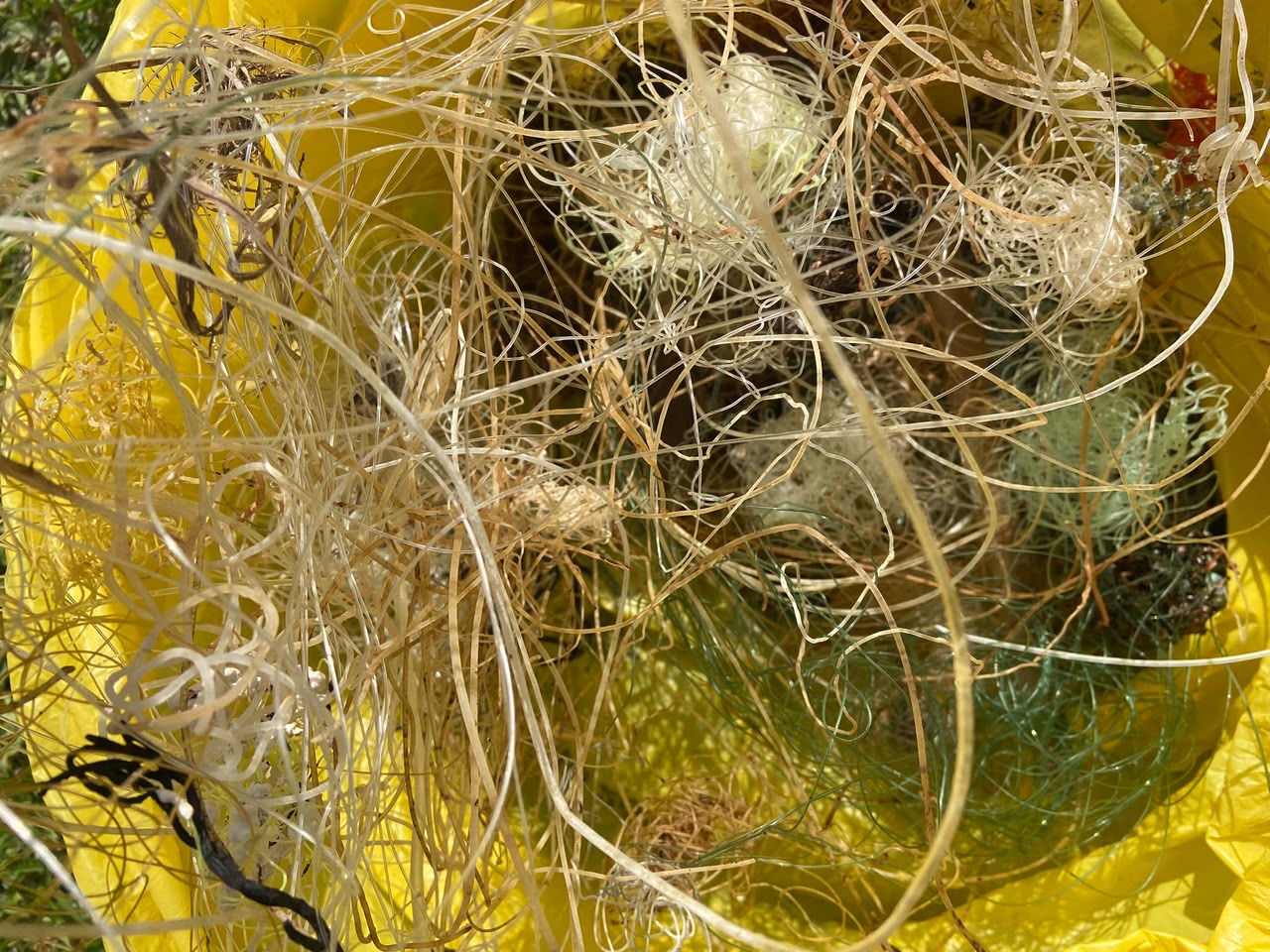
The trust runs a Fishing Line Recovery and Recycling Programme along this coast, which is a network of bins where anglers can dump used line instead of leaving it on the rocks. Emptying one of those bins during the clean-up produced the kilogram. It is a small number that reads differently once you have seen it: a kilogram of monofilament is an enormous volume of line, and it had accumulated at a single collection point.
The work sits inside the WESSA Green Coast #StopTheStrangle campaign, which is aimed specifically at entanglement and at getting coastal communities to treat discarded tackle as a hazard rather than litter.
Which zoos fund this work?
None that we could verify. The Dyer Island Conservation Trust names the Sustainable Seas Trust and WESSA Green Coast as the partners behind the data collection and the ghost gear campaign, and neither is a zoological institution. No accredited zoo or aquarium appears as a funder of this particular clean-up, so this article carries no facility hub. We would rather record that than reach for a connection that is not there.
The trust does have zoo funders, and it is worth saying where they sit, because they sit somewhere else. Its supporters page lists accredited institutions sponsoring artificial penguin nest houses, among them the Dallas Zoo Association, the Two Oceans Aquarium, Columbus Zoological Park, Tanganyika Wildlife Park, Henry Vilas Zoo, Metro Richmond Zoo, Den Bla Planet in Denmark and Combe Martin Wildlife Park in Britain. That is a different program with a different funding line. None of those institutions is named in connection with this clean-up, and naming a zoo here because it pays for something else the same trust does is precisely the inference we try not to make.
Why this coastline in particular
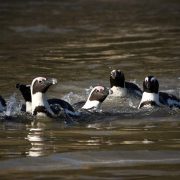
Danger Point sits at the western edge of the Dyer Island ecosystem, which holds one of the remaining breeding colonies of the African penguin, Spheniscus demersus, a species listed as Critically Endangered on the IUCN Red List under criteria A3bce+4bce. Birds from that population forage in the water immediately off the beaches being cleaned. Cape fur seals use the same inshore water year-round.
Entanglement is not the largest pressure on either animal, and nobody involved claims it is. It is, however, one of the few pressures that a Saturday morning and a pair of gloves can measurably reduce, which is a reasonable argument for doing it and then writing down what you found. We covered the same trust’s role in this year’s international penguin conference earlier in the month; the clean-up is the unglamorous end of the same effort.
Quick answers
- What came off the beach?
Thirty-four volunteers removed 53 kilograms of waste from the Kruismansbaai coastline at Danger Point, South Africa, on September 19, 2026. One kilogram of that was fishing line emptied from a single recovery bin.
- Why record what is collected?
The types and quantities are logged and fed into the national marine litter dataset coordinated by the Sustainable Seas Trust. Repeated across many beaches and years, that record shows which materials dominate, which stretches of coast are worst and where the waste enters the sea, which is what a policy argument needs.
- What is ghost gear?
Fishing equipment that has been lost, abandoned or discarded and is still in the water: line, rope, netting and hooks. Monofilament line does not break down on any useful timescale and is close to invisible underwater, so seabirds and seals that swim into a drifting tangle stay in it.
- Which zoos fund this clean-up?
None that we could verify. The Dyer Island Conservation Trust does have zoo and aquarium supporters, but they sponsor its artificial penguin nest houses, which is a different program with a different funding line. No zoological institution is named in connection with this clean-up.