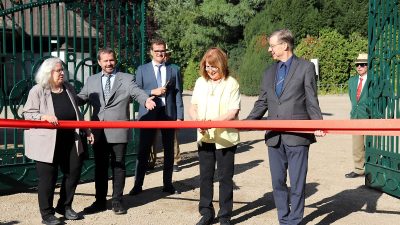

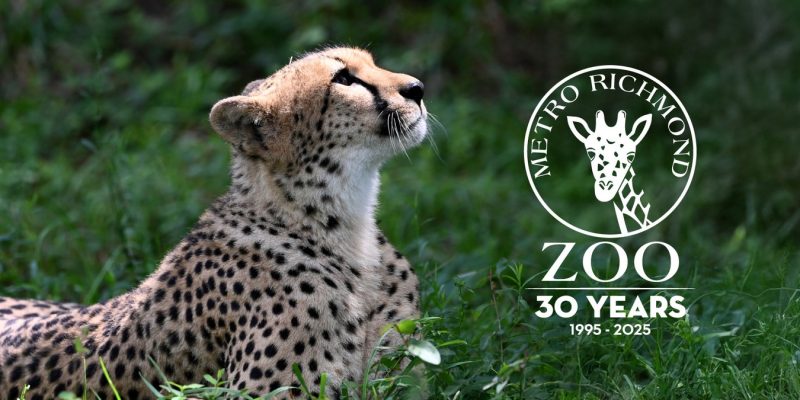
The Metro Richmond Zoo turned thirty on April 22, 2025. It opened on Earth Day in 1995 with 250 animals on 30 acres, and it marked the anniversary as a 150-acre institution, by the zoo’s own count, holding roughly 2,000 animals of 190 species.
What makes the anniversary worth reading is the timeline the zoo published with it. Most thirtieth-birthday releases are a list of adjectives. This one is a construction schedule, year by year, and it is a useful record of how a private zoo in Virginia actually got built.
Thirty years of building, one habitat at a time
The pattern is relentless and it is almost entirely physical. The Bengal tiger habitat and the chimp and orangutan islands opened in 1997. A new entrance, gift shop and office went up in 1998. The lion habitat followed in 2000, the original flamingo habitat in 2002. In 2003 the zoo installed the Safari Skylift and opened the North American Boardwalk with alligators, bison and elk, and began what is now a Richmond holiday fixture, The Miracle of Christmas.
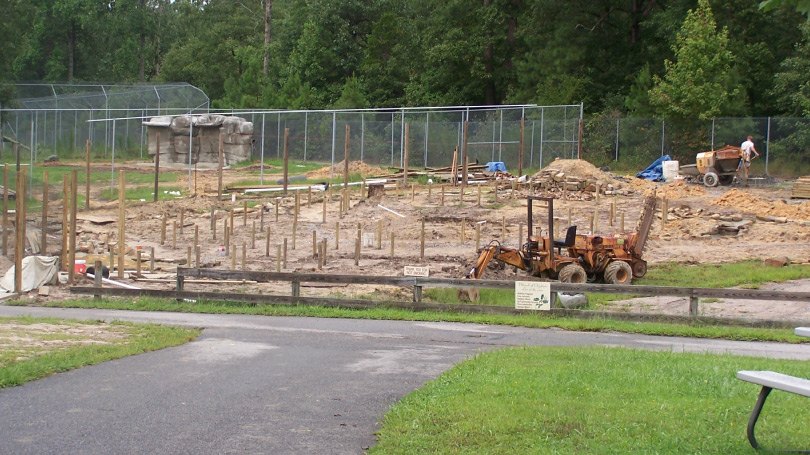
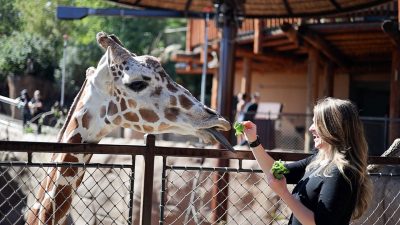
Then the walk-in bird aviary in 2004, the Asiatic black bear habitat in 2005, a second giraffe indoor shelter in 2006 as the herd outgrew the first. The Safari Train Ride in 2008 added 10 acres to the footprint. In 2014 Treetop Zoofari opened, which the zoo describes as Richmond’s first zipline and adventure park. A new animal hospital opened on site in 2015.
The land came in blocks. The zoo bought 52 adjacent acres in 2011 to build the Cheetah Conservation Center, another 30 acres in 2019 for future expansion and parking, and 167 acres in 2023. The 2024 lemur loop expansion opened with seven new habitats, and the renovated Critter Climb Playland opened the same year.
The three species it is actually known for
The Metro Richmond Zoo is accredited by the Zoological Association of America and works with breeding programs directed by both the ZAA and the Association of Zoos and Aquariums. Its reputation rests on three species, and the numbers behind them are specific.
Cheetahs first. Two brothers, Levi and Zach, arrived in 1996 as the zoo’s first carnivores. The first litter came in 2013, when a female named Lana had five cubs. The 100th cheetah cub was born in 2022. As of the anniversary, 149 cheetahs had been born at the zoo. Six more cubs went out onto habitat four months after the thirtieth-anniversary release.
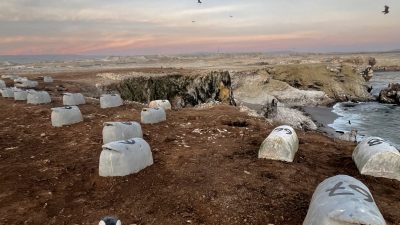
African penguins second. The 100th chick hatched in 2013; 316 had hatched by 2025. In 2021 the ZAA gave the zoo its Long Term Commitment and Significant Propagation of a Single Species Award for the work.
Diana monkeys third, and this is the one most visitors will not have heard of. The first was born at the zoo in 1999 and the 25th in 2018. It is a West African forest guenon, black-faced with a white throat and beard and a chestnut saddle across the lower back, and the Metro Richmond Zoo is one of the few institutions in the United States breeding it in any number.
Where do those three species actually stand?
The zoo’s release groups cheetah, African penguin and Diana monkey together as endangered. The IUCN Red List, version 2026-1, assesses them in three different categories. The Diana monkey (Cercopithecus diana) is Endangered, which matches. The cheetah (Acinonyx jubatus) is Vulnerable, a step below. The African penguin (Spheniscus demersus) is Critically Endangered, a step above, and its population is still falling.
We default to the assessment where the two differ. The direction of the discrepancy is worth noticing: the species the zoo has hatched 316 of is in worse shape on paper than the blanket word suggests, not better. Thirty years of penguin chicks in Virginia is a more serious piece of work than the release claims for itself.
The year the workshop burned
Not every line in the timeline is a ribbon cutting. In 2023 a fire destroyed the zoo’s animal hospital, workshop and zookeeper building, causing $1 million in damage. The facilities were rebuilt in less than a year, and the 2024 entry records them back in service alongside the lemur loop and the playland.
By 2025 the zoo had a global celebrity on its hands. Poppy, a pygmy hippo calf born the previous December, drew international coverage, and the zoo threw her a public birthday party that December. Treetop Zoofari was under renovation and the pathways were being repaved, which is the least glamorous entry on the list and probably the one guests noticed most.
The zoo has kept building since. Ice Age Invasion, a limited-run animatronic exhibit, opened in 2026. On the evidence of the timeline, the next thirty years will be measured in acres.
Source: Metro Richmond Zoo, Celebrating 30 Years, published April 22, 2025. Red List categories from the IUCN Red List of Threatened Species, version 2026-1.
Quick answers
- When did the Metro Richmond Zoo open?
On Earth Day, April 22, 1995, with 250 animals on 30 acres. It marked its thirtieth anniversary in 2025.
- How big is the Metro Richmond Zoo?
The zoo describes itself as a 150-acre institution holding roughly 2,000 animals of 190 species. Its published timeline records land purchases of 52 acres in 2011, 30 acres in 2019 and 167 acres in 2023.
- Is the Metro Richmond Zoo accredited?
Yes, by the Zoological Association of America. It has been accredited since the association was founded in 2005 and has renewed every five years since.
- What species is the zoo best known for breeding?
Cheetahs, African penguins and Diana monkeys. As of 2025 the zoo had recorded 149 cheetah births and 316 African penguin hatchings.