
WWT Caerlaverock, the wetland reserve on the Solway coast in southwest Scotland, reopened to the public on Thursday July 2 after a closure that ran through the whole of the winter goose season. It came back three days a week, and from September 29 it goes to five.
The reserve is run by WWT, the wetland charity. It had been closed over the winter while the charity restructured the operation there, moving away from staffing a shop and a cafe and toward a smaller team working on the reserve itself, with the changes starting in November. The closure covered the months when Caerlaverock is normally at its busiest, because that is when the geese and swans arrive.
What changed while it was shut
WWT lists the work as essential site maintenance, with improvements to the paths and the hides, alongside the team restructure. It has also created new wetland pools and scrapes, which it says are already pulling in teal, wigeon and lapwing, and it is asking visitors to report what they see in those areas.
“After some time restructuring our small but mighty team and completing essential site maintenance, including making some improvements to our paths and hides, we’re so pleased to welcome visitors back,” said David Pickett, WWT Centre and Reserve Manager.
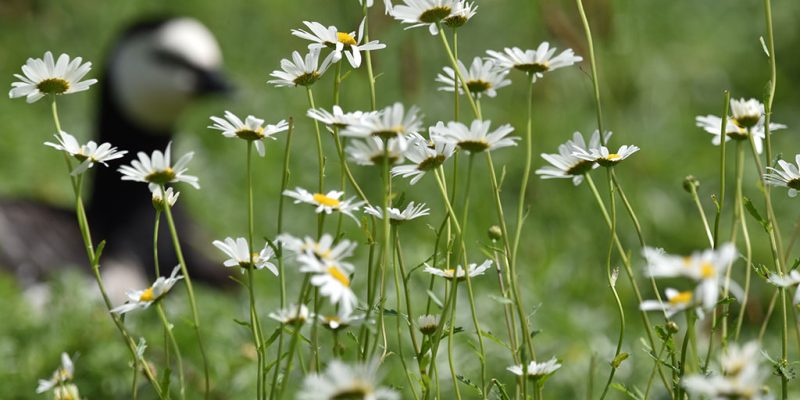
Pickett also pointed at the summer version of the site, which is not what Caerlaverock is famous for. The wildflower meadows carry red clover, yellow rattle, hawksbit and buttercups, and skylarks are abundant across June and July. Caerlaverock means Castle of the Skylark, so the bird has a claim on the place. The British Dragonfly Society recognizes the reserve as a dragonfly hotspot, and Pickett noted that hot weather makes for good conditions to find the rarer species there.
When can you actually go?
Through September, Thursday, Friday and Saturday only, 10 a.m. to 5 p.m. with last admission at 4 p.m. The reserve is closed to everyone, members included, from Sunday through Wednesday. From September 29 the schedule widens to Tuesday through Saturday, 10 a.m. to 4:30 p.m., with last entry at 3:30 p.m. That change lands just before the wintering birds do.
WWT ran reduced admission prices at Caerlaverock from July 2 to September 1 under the Government’s Great British Summer Savings Scheme. That window has closed.
A reserve reopening on a shorter week than it used to keep is not the triumphant version of this story, and WWT has not dressed it up as one. What it is instead is a working answer to a problem plenty of small conservation sites are facing at once: keep the hides and the water, spend less on the counter, and get the days back one at a time.
Nordens Ark in Sweden works the other end of the same flyway, breeding and releasing lesser white-fronted geese into the mountains. Our report on this year’s release is here, and WWT’s own announcement is on its news pages.
Quick answers
- Is WWT Caerlaverock open?
Yes. It reopened on July 2, 2026 and currently opens Thursday, Friday and Saturday, 10 a.m. to 5 p.m., with last admission at 4 p.m. It is closed to everyone, members included, Sunday through Wednesday.
- When does it go back to a longer week?
From September 29 it opens Tuesday through Saturday, 10 a.m. to 4:30 p.m., with last entry at 3:30 p.m.
- Why was it closed?
WWT restructured the operation there, moving away from staffing a shop and cafe toward a smaller team working on the reserve, and completed site maintenance including work on paths and hides. The changes began in November and the site stayed shut through the winter goose season.