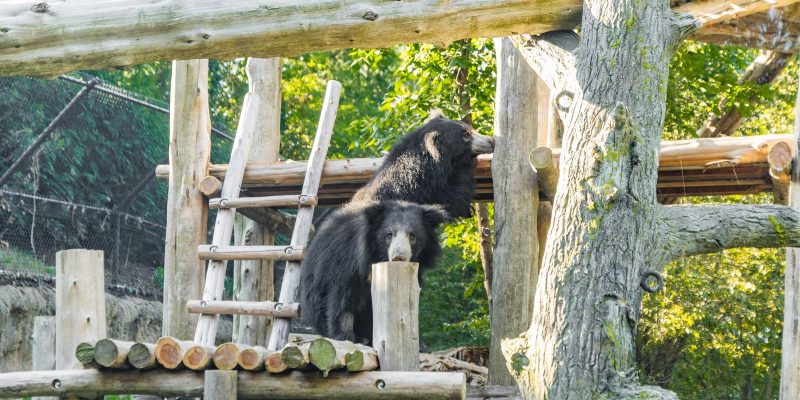
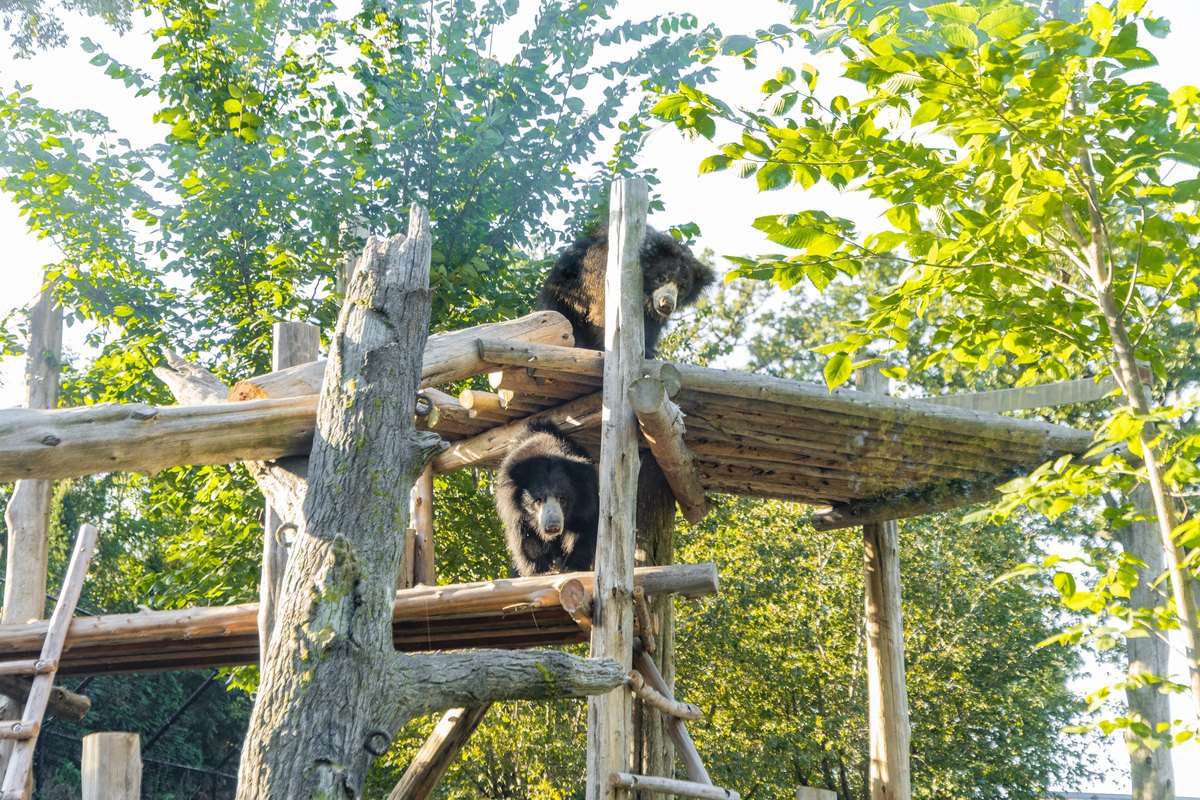
Two sloth bear brothers, Mowgli and Baloo, arrived at Omaha’s Henry Doorly Zoo and Aquarium from the Idaho Falls Zoo in July 2026, and the reason there was room for them is that a sloth bear named Bodo had gone the other way.
Bodo left Omaha for Woodland Park Zoo in Seattle on a Species Survival Plan recommendation. That is the whole transaction in one sentence, and it is worth slowing down, because it is how the accredited zoo world actually moves animals.
What a Species Survival Plan recommendation is
A Species Survival Plan is a cooperative breeding program run across Association of Zoos and Aquariums institutions for a single species. A committee keeps a studbook, works out which animals are the most genetically valuable to which other animals, and issues recommendations: this bear to that city, this pairing and not that one. No single zoo decides. The objective is a managed population that stays genetically diverse for decades, which means the limiting resource is not bears but space, and a transfer out is usually what creates a transfer in.
So Bodo’s move is not a footnote to the brothers’ arrival. It is the mechanism of it.
Quarantine, and then training
The brothers spent their first weeks in the large mammal quarantine area inside the new Bill and Berniece Grewcock Animal Hospital, completing the routine quarantine and acclimation period that every animal arriving at an accredited zoo goes through. The zoo’s Animal Health team and its Cats and Bears team checked on them daily. The zoo describes the hospital as new; it is the Bill and Berniece Grewcock Animal Hospital, and quarantine space for animals this size is one of the things it was built to provide.
Training started during that period. Keepers call it husbandry training, and it is less about tricks than about consent: an animal taught to present a paw, step on a scale or hold still against a mesh panel can be examined and treated without being anesthetized. For a bear, that is the difference between a routine weight check and a procedure.
Guests should expect an inconsistent animal. The zoo says that on some visits the brothers will be out wrestling, digging and working their way around the habitat, and on others they will choose to spend the day behind the scenes while they settle in, which is a normal and healthy part of the process rather than a problem. They are at Asian Highlands.
The animal itself is strange, in the best way
A sloth bear is built around termites. It is missing its upper middle incisors, which leaves a gap in the front of its mouth, and it can close its nostrils at will. It uses the gap as a nozzle: it tears open a termite mound with long curved claws, blows out the loose dust, and then sucks the insects up through the hole in its teeth, loudly enough to be heard some distance away. The shaggy coat that makes the species look unkempt is also what the cubs ride on, because sloth bear cubs travel on their mother’s back, which few other bears do.
The common name is a mistake that stuck. Early European naturalists saw the long claws and the hanging posture and filed the animal with the sloths.
How the species is doing
The IUCN Red List lists the sloth bear, Melursus ursinus, as Vulnerable, under criterion A3c. The assessment was carried out on March 18, 2016 and published in an amended version in 2020, and the population trend is decreasing. The Red List gives no global population figure for the species, so any specific count attached to sloth bears comes from somewhere other than that assessment and should be attributed to whoever produced it.
The pressure is habitat loss and fragmentation across India, Sri Lanka and Nepal, and the species carries a complication most threatened mammals do not: sloth bears injure people more often than their size suggests, usually in surprise encounters in scrub forest, and that shapes how communities living alongside them feel about conservation. A breeding population in North American zoos does not solve that. It does mean the species does not depend entirely on how those negotiations go.
You can read the IUCN assessment in full.
Source: Omaha’s Henry Doorly Zoo and Aquarium, September 4, 2026.
Quick answers
- Where did Omaha’s new sloth bears come from?
Mowgli and Baloo are brothers and arrived from the Idaho Falls Zoo in July 2026.
- Why did Omaha get two new sloth bears?
A sloth bear named Bodo moved from Omaha to Woodland Park Zoo on a Species Survival Plan recommendation, which made room for the brothers.
- What is a Species Survival Plan?
A cooperative breeding program run across Association of Zoos and Aquariums institutions for a single species. A committee keeps a studbook and issues recommendations about which animals should move where, with the goal of keeping the managed population genetically diverse.
- Where can I see the sloth bears at Omaha’s Henry Doorly Zoo?
Asian Highlands. The zoo cautions that the brothers may spend some days behind the scenes while they settle in, so a sighting is not guaranteed.
- Is the sloth bear endangered?
The IUCN Red List lists the sloth bear as Vulnerable, in an assessment carried out on March 18, 2016 and published in an amended version in 2020. The population trend is decreasing. The assessment gives no global population figure.
- Why is it called a sloth bear?
Early European naturalists saw its long claws and hanging posture and classified it with the sloths. The name stuck even after the mistake was corrected.