
A marine sanctuary first proposed in the 1980s cleared its biggest hurdle in October 2025, when members of the International Union for Conservation of Nature voted 96.5 percent in favour of backing it.
The proposal, carried by Loro Parque Fundación, would create the Macaronesia Marine Sanctuary across the waters of the Canary Islands, the Azores, Madeira and Cape Verde.
What is in those waters
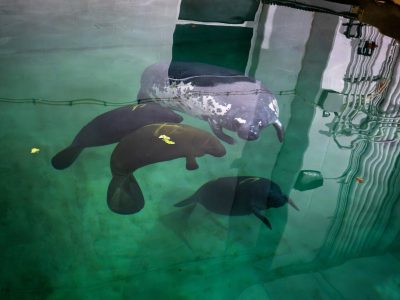
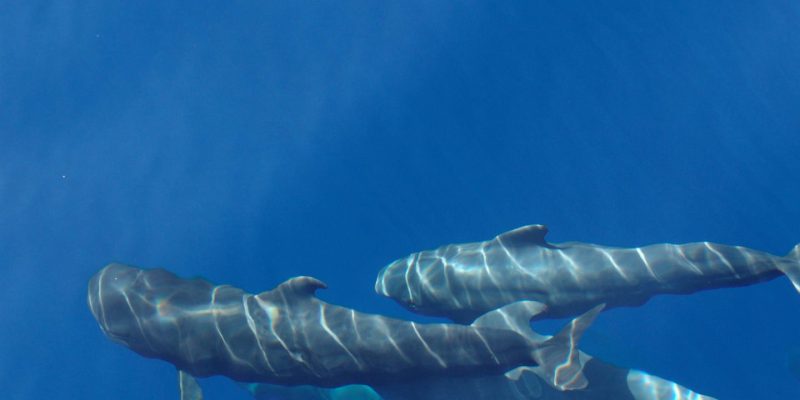
Macaronesia holds 32 cetacean species, which is 84 percent of every cetacean species found in the North Atlantic. That concentration is a function of the Canary Current Large Marine Ecosystem, one of only four major upwelling systems on the planet.
Upwelling brings cold, nutrient-rich water to the surface, and everything else follows it. It is also why the region is fished as hard as it is.
Forty years to a vote
The idea originated in the 1980s with Wolfgang Kiessling and the German scientist Petra Deimer, who wanted a protected corridor for cetaceans moving through the mid-Atlantic. The concept was taken up by the International Fund for Animal Welfare and the Society for the Protection of Marine Mammals before Loro Parque Fundación adopted it as a funding priority.
Over the twenty-five years since, the foundation has paid for species identification work, population status surveys, cetacean distribution surveys in areas that had never been properly looked at, and the CanBIO program studying how climate change is reshaping the ecosystem. The strategy shifted along the way from a sanctuary concept to a Marine Protected Area framework, which is a less romantic idea and a more enforceable one.
“The Macaronesia Sanctuary represents a shared aspiration between science, institutions, and society. Its approval by the IUCN demonstrates that international cooperation is the most effective way to protect the biodiversity of our oceans.”
Wolfgang Kiessling, president and founder, Loro Parque Group
What the vote does and does not do
An IUCN vote is not a designation. It is the conservation world’s largest membership organization putting its weight behind a proposal that three national governments would still have to act on: Spain, Portugal and Cape Verde.
What it changes is the standing of the ask. A sanctuary proposal carried by one foundation is a lobbying position. The same proposal carried at 96.5 percent by the IUCN is something a fisheries ministry has to answer.
“This approval is an international milestone that strengthens our commitment to ocean conservation. The overwhelming support from the scientific and environmental community gathered at the IUCN drives us to continue working alongside the governments of Spain, Portugal, and Cape Verde to move forward with the effective creation of this protected area.”
Javier Almunia, scientific advisor, Loro Parque Fundación
Some of that work is already happening inside the proposed boundary. The Desertas snail reintroduction on Bugio, off Madeira, sits within Macaronesia.
The threats being legislated against
The FAO records declining marine resources across the region: small pelagic and demersal fish, crustaceans, marine mammals, sharks, sawfish, seabirds and turtles. The causes are industrial and artisanal overfishing, destructive gear, illegal operations and a changing environment.
Two more sit specifically on the cetaceans. Ship strikes, in one of the busiest transit corridors in the Atlantic. And underwater noise, which does not kill an animal outright and instead takes away its ability to find food, find a mate and navigate.
Why a bird park is doing this
Loro Parque Fundación is best known for parrots, and its published record is a parrot record: more than 30 million dollars invested, 300-plus projects, 18 species pulled back from extinction. The marine work sits alongside it because the group that funds the foundation is on Tenerife, in the middle of the water in question.
It is worth noting one inconsistency for anyone citing the numbers: the foundation’s project page describes Macaronesia as holding 80 percent of Atlantic cetacean species, while the October release gives 32 species and 84 percent of North Atlantic species. Those are its figures, and we have used the more recent.
Sources: Loro Parque Fundación; IUCN.