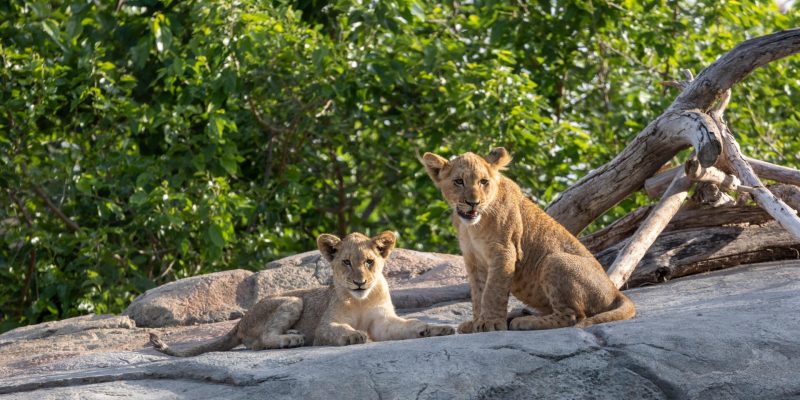
Two African lions born at the Fresno Chaffee Zoo are leaving it. Asali and Taraj, littermates who turn two next month, are moving to another zoo accredited by the Association of Zoos and Aquariums as part of the African Lion Species Survival Plan, and the last day the public can see them in Fresno is October 21.
The zoo is treating that week as a send-off rather than a loss, and it has the better end of the argument. A pair of cubs reaching the age where they go out and join the breeding population is roughly the definition of a litter that worked.
Why young lions leave
The move follows what lions do without being asked. In a wild pride, young males are pushed out as they approach maturity and spend a few years in a coalition, usually with brothers or cousins, before they are big enough and old enough to hold territory of their own. A Species Survival Plan, which is the breeding and transfer program that accredited institutions run for a species together, is in part an attempt to let that happen on a continent where the prides live behind fences. Asali, who is female, is moving with Taraj as a companion while they both finish growing up.
The zoo has not said where they are going, beyond that it is another AZA-accredited institution, and so neither will we.
Whose cubs these are
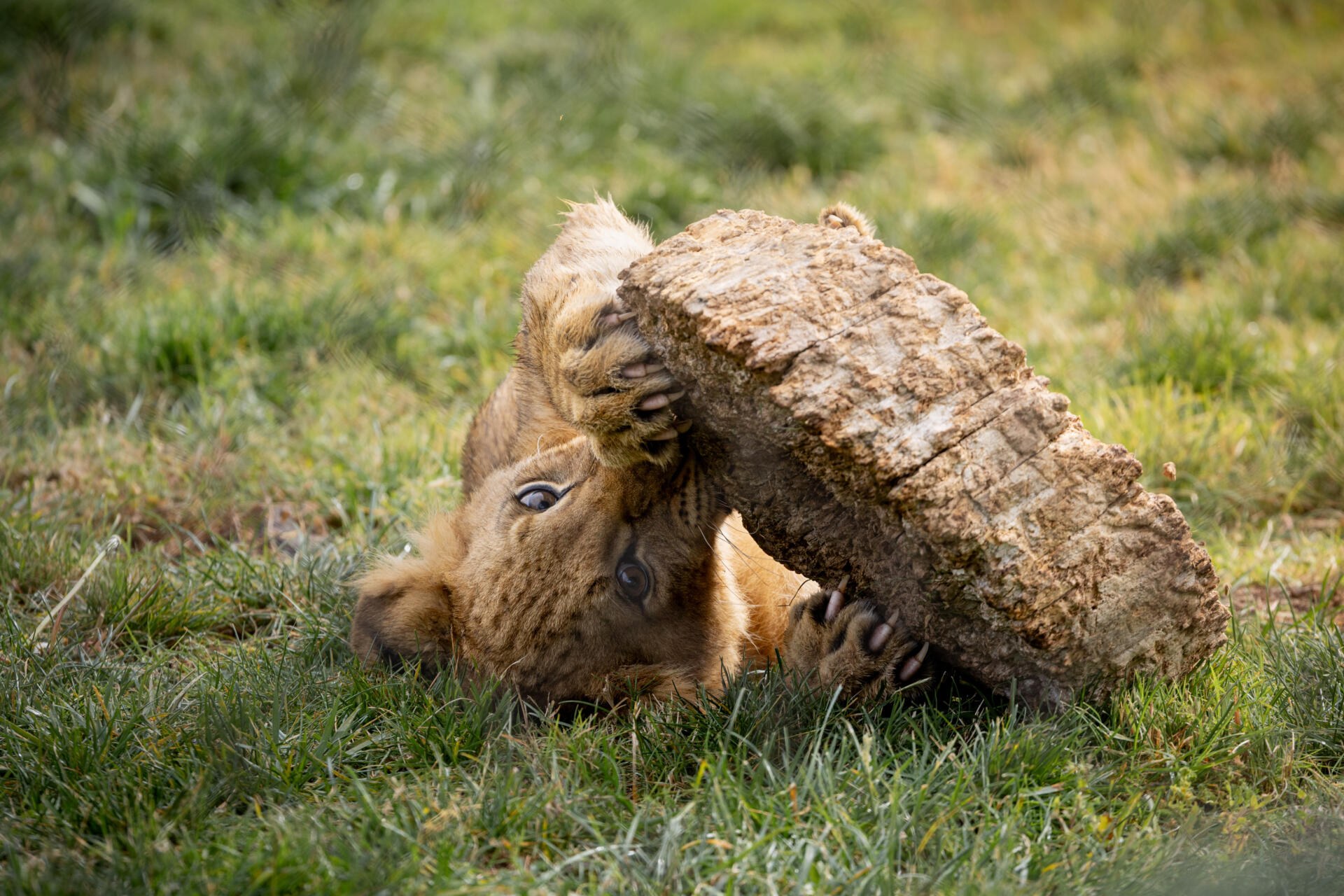
Asali and Taraj were born on November 5, 2024, to Zamaya, a first-time mother, and Chisulo. Their names were arrived at two different ways. The zoological care staff named Asali for the Swahili word for honey, after the golden tone of her coat. Taraj’s name was put to a community vote, and the zoo says it means hope and faith in Swahili. The pair made their habitat debut on March 3, 2025, and have spent the eighteen months since growing from cubs into adolescents in front of a public that got attached.
Until October 21 they can be found in African Adventure, which is where the zoo is directing anyone who wants to say goodbye.
Coordinated moves like this one are the backdrop to a species whose wild numbers and range have both contracted sharply over the last century. The work of making more lions is not simple either. Reproductive science on big cats is an active field, as the lab at the Cincinnati Zoo’s Center for Conservation and Research of Endangered Wildlife has been demonstrating. Fresno Chaffee has had a busy autumn on the conservation side as well, including a partnership with California wildlife officers on surrendered ivory.
Source: Fresno Chaffee Zoo.
Quick answers
- When is the last day to see Asali and Taraj?
October 21, in the African Adventure habitat at the Fresno Chaffee Zoo.
- Where are they going?
Another institution accredited by the Association of Zoos and Aquariums. The zoo has not named it.
- Why are they being moved?
As part of the African Lion Species Survival Plan, the breeding and transfer program that accredited institutions run together for the species.
- Why do young lions leave at this age?
In a wild pride, young males are pushed out as they approach maturity and spend a few years in a coalition, usually with brothers or cousins, before they are old enough and big enough to hold territory of their own. The move follows that pattern.
- Why is the female going too?
Asali is moving with Taraj as a companion while they both finish growing up.
- When were they born, and to which parents?
November 5, 2024, to Zamaya, a first-time mother, and Chisulo. They made their habitat debut on March 3, 2025.
- What do their names mean?
The zoological care staff named Asali for the Swahili word for honey, after the golden tone of her coat. Taraj’s name was put to a community vote, and the zoo says it means hope and faith in Swahili.