The Two Oceans Aquarium Foundation dropped baited cameras into the canals that run through the V&A Waterfront, expecting to find less life there than in the open marina next door. It found more. Eight fish species were recorded in the canals, a stretch of water most of Cape Town walks over without looking down.
The Foundation published the first results of its V&A Marine Biodiversity Mapping Project on November 6. It is a collaboration between the Foundation’s research team and the V&A Waterfront, and it covers the precinct’s harbour, marina and adjoining canals.
How do you survey a harbour without catching anything?
With BRUVs, which is worth unpacking because the method is the reason the survey could happen at all. A Baited Remote Underwater Video system is a frame holding a camera and a canister of bait, usually mashed sardines, that gets lowered onto the seabed and left to record. Animals come to the bait, the camera counts them, and nothing is captured or handled. On a working waterfront full of boat traffic and public access, that matters: a netting survey in the V&A marina is not a practical proposition.
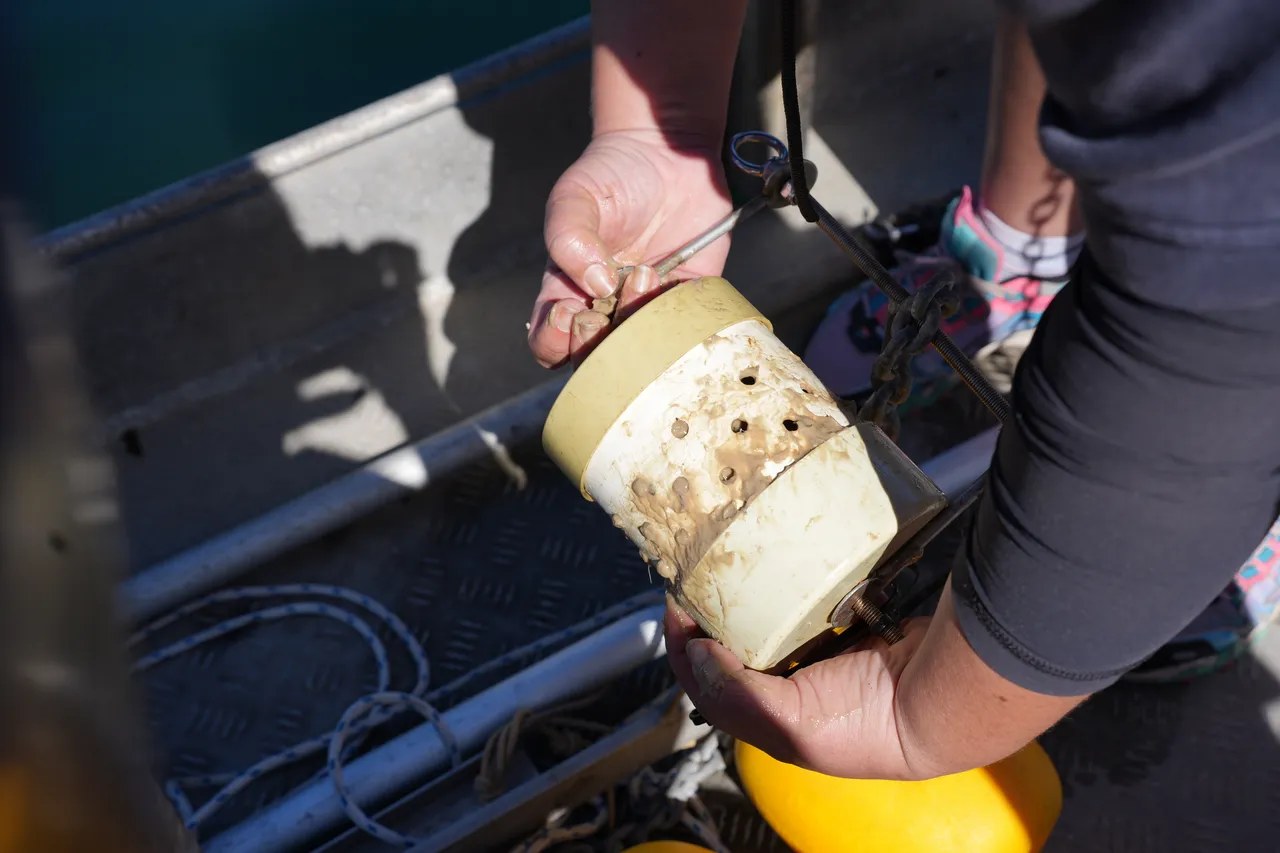
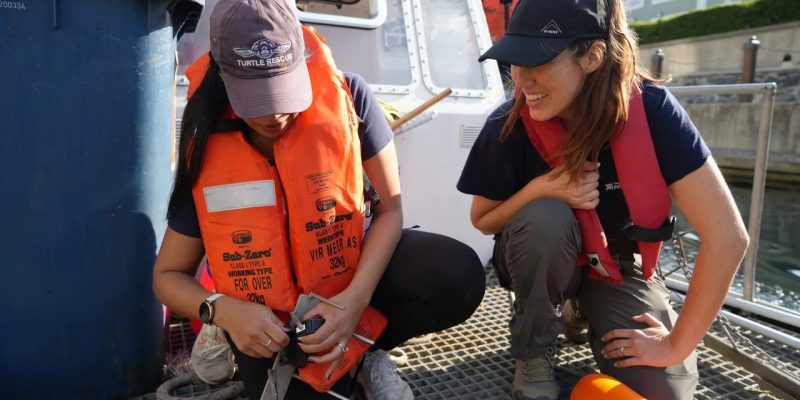
During the first survey in July 2026 the team deployed BRUVs at eight sites across the harbour, marina and canals, recording an hour of footage at each. GoPro drop cameras went down alongside them to pick up the seabed and the smaller organisms a baited camera would miss. Fish and sharks were counted as individuals. Algae, the seabed and colonial animals, which live in groups of many small individuals forming one larger colony, were recorded as percentage cover instead, because counting them individually is meaningless.
The canals were supposed to be the dead end
They were not. The team expected the marina to carry more fish, in both species and numbers, than the canals. More fish species turned up in the canals than in either the marina or the harbour.
The Foundation is careful about why, and offers several possibilities rather than one answer: differences in predation pressure, pollution, habitat conditions and water circulation could all shape which species manage in each place. One specific candidate is the canal’s seawater inlet pipe, which regularly brings water in from outside the system and may be letting fish in with it, seeding populations that then reproduce and support larger predators. Water movement from that pipe and from a nearby fountain also circulates and oxygenates the canal water.
Among the eight canal species were barehead gobies and white stumpnose. In the marina the cameras picked up large schools of Cape horse mackerel, green foliose algae, sea slugs and molluscs, plus two species that are not supposed to be there at all: European shore crabs and a seasquirt called the sea vase, both of which most likely arrived on the hulls of ships from foreign waters.
The striking part is not any single species but the difference between communities separated by almost nothing. The canals and the marina sit meters apart and hold noticeably different sets of fish.
Why the Waterfront is a real marine habitat
These waterways connect to the Atlantic and form part of the greater Benguela marine ecosystem, one of the most productive stretches of ocean anywhere. The harbour and marina are sheltered from wave action but still move with the tides, which makes them a genuinely marine environment rather than an ornamental one.
“By documenting the species present at each site, we can start building a picture of how these different environments support marine life,” said Calley Chateau-Cyster, Head of Pathways and Research at the Two Oceans Aquarium Foundation. “Our findings will also contribute to the Waterfront’s planned digital map of the precinct, helping visitors discover the wildlife living right on their doorstep and supporting future environmental planning and monitoring.”
That digital map is the part with the longest reach. A public precinct that can tell you what is living under the walkway you are standing on has turned a survey into an exhibit, and it costs nothing to visit.
This is the same research team whose tagged spotted gully shark releases we covered at the end of October.
The work is funded and staffed by the Two Oceans Aquarium Foundation itself, with the V&A Waterfront as the site partner. We looked for an outside zoological funder behind this particular project and did not find one, which in this case is unsurprising: the aquarium conducting the research is the accredited institution in the story.
Source: Two Oceans Aquarium, November 6, 2026, by Laura du Toit and Calley Chateau-Cyster.
Quick answers
- What is the V&A Marine Biodiversity Mapping Project?
A collaboration between the Two Oceans Aquarium Foundation research team and the V&A Waterfront, surveying marine life in the precinct harbour, marina and canals in Cape Town. The first results were published on November 6, 2026.
- What is a BRUV?
A Baited Remote Underwater Video system: a frame holding a camera and a canister of bait, usually mashed sardines, lowered to the seabed and left to record. Animals come to the bait and are counted on the footage, so nothing has to be captured or handled.
- How was the survey run?
BRUVs were deployed at eight sites in July 2026, recording an hour of footage each, with GoPro drop cameras alongside for the seabed and smaller organisms. Fish and sharks were counted individually; algae, seabed and colonial animals were recorded as percentage cover.
- What was the surprising result?
More fish species were recorded in the canals than in either the marina or the harbour. The team had expected the opposite. Eight fish species were found in the canals, including barehead gobies and white stumpnose.
- Why might the canals hold more species?
The Foundation offers several possibilities rather than one answer: differences in predation pressure, pollution, habitat conditions and water circulation. One candidate is the seawater inlet pipe, which brings water in from outside and may let fish in with it, while water movement from the pipe and a nearby fountain circulates and oxygenates the canal.
- Were any invasive species found?
Two, both in the marina: European shore crabs and a seasquirt called the sea vase. Both most likely arrived on ship hulls from foreign waters.