
A fractured canine is not a cosmetic problem for a big cat. The tooth is a working tool, and when the hard outer shell breaks far enough, the living pulp inside it is exposed to the air, to food and to bacteria. At Cango Wildlife in Oudtshoorn, South Africa, two residents turned out to need exactly that problem solved, and they were given two different answers to it on the same day.
Rafiki, a cheetah, had a damaged upper canine. Saltan, a tiger, had a worse one. Both went under anesthesia for a visiting specialist, and both came back out with a recovery plan written for them individually.
What was actually wrong with the teeth
Rafiki’s upper canine was damaged badly enough that part of it had to come off. The veterinary team extracted the exposed tooth pulp, the soft living tissue of nerves and blood vessels that sits in the center of a tooth, and closed the area with dissolvable stitches. He was given additional treatment to support his recovery, manage discomfort and prevent infection.
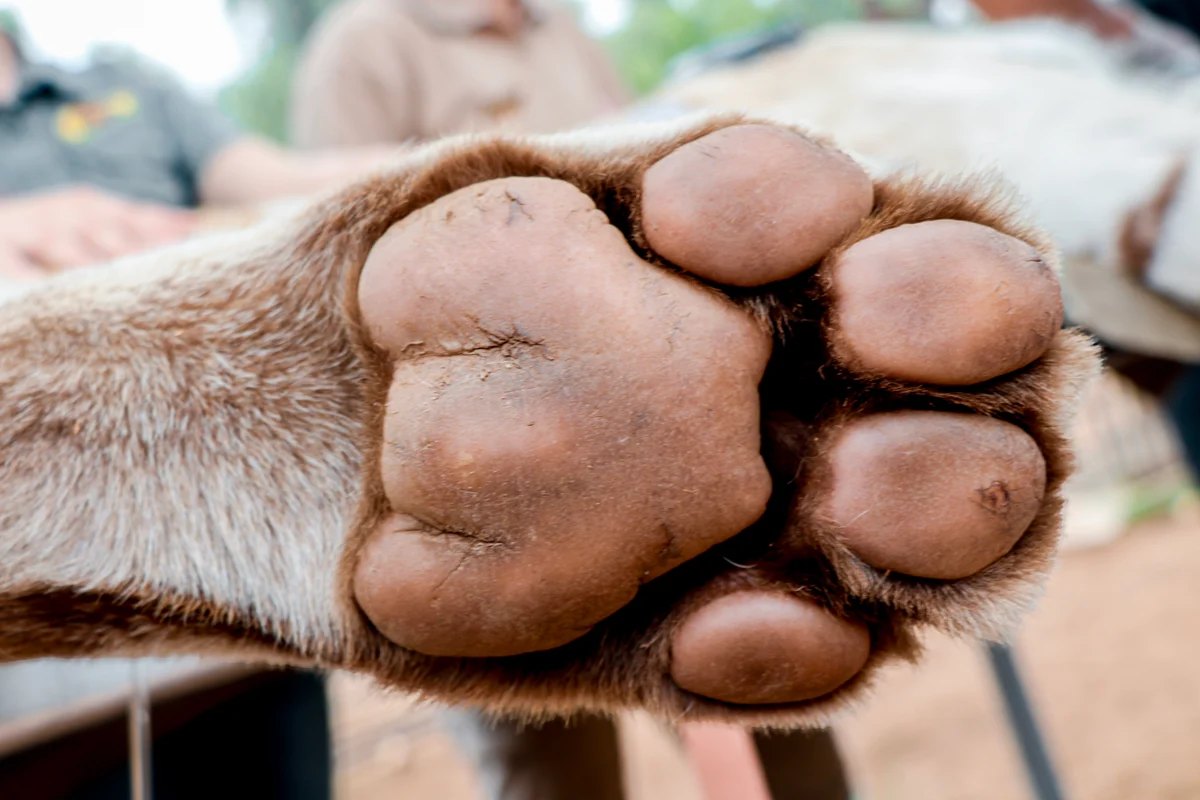
Saltan needed more. Examination showed a severely damaged upper canine with a fracture running up into the gum, which had exposed the sensitive inner structure of the tooth. The damaged portion was removed, and both an upper and a lower canine were given initial root canal treatment.
A root canal is worth a sentence, because it is the reason the tooth stays in the animal’s mouth at all. Rather than pulling a broken canine, the dentist clears the pulp out of the hollow channel that runs down the middle of it and seals that channel, which stops the pain and shuts the door on infection while leaving the tooth itself in place. For an animal whose canines are the main tool it uses to hold food, that difference matters. Saltan is scheduled for further dental work.
Who did the work
The procedures were performed by veterinary dentist Dr Cedric Tutt, with Dr Shaun Sagor of the Oudtshoorn Veterinary Clinic overseeing the anesthesia and the animals’ safety throughout. Both cats were under carefully monitored sedation and received pain management and supportive treatment.
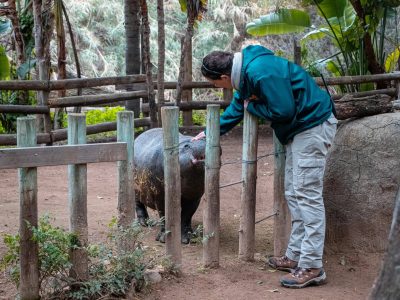
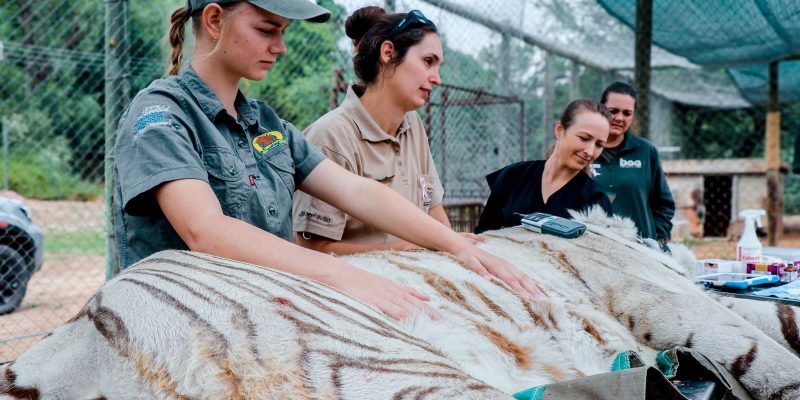
There is a second thing happening in the photographs from that day, and it is the reason a story like this is worth running at all. Cango Wildlife’s interns and volunteers were in the enclosure, watching the procedures first-hand and taking on real monitoring responsibilities, including tracking the animals’ breathing while they were sedated. That is how the next generation of keepers and veterinary staff learns what an anesthetized big cat actually feels like to work around, and there is no classroom substitute for it.
Is any accredited zoo paying for this?
We looked, because we always do on conservation and animal care work in this region, and the answer here is no. This is not a program underwritten from abroad. The specialists are a private veterinary dentist and a local clinic in the same town, and the work sits inside Cango Wildlife’s own veterinary budget, alongside the BOA Foundation, Because of Animals, the facility’s own non-profit arm. No accredited zoological institution outside South Africa appears anywhere in it. That is a finding rather than a gap: a forty-year-old facility in the Klein Karoo paying its own specialist dental bills is a perfectly ordinary and rather good thing to be able to report.
It also fits what we have written about Cango before. The same facility’s routine record-keeping, logged in ZIMS and shared with South Africa’s national biodiversity institute, has fed into DNA reference work used against the illegal wildlife trade. The pattern is the same in both stories. The daily, unglamorous business of looking after animals properly keeps turning out to be useful somewhere else.
What we know now, and what we do not
Cango Wildlife published its account of the procedures on October 29, 2026. In the month since, the facility has posted four more times and has not mentioned Rafiki or Saltan again, so there is no published update on how either cat has healed, and the further work flagged for Saltan has not been reported as done. We will say so plainly rather than imply a clean ending that nobody has actually announced.
What can be said is that both animals went into the procedure with a problem that hurts and gets worse, and came out of it with the problem addressed and a recovery plan. For a visitor standing at the fence in Oudtshoorn, none of this is visible. That is rather the point of it.
Quick answers
- Why would a big cat need a root canal?
A fractured canine exposes the living pulp inside the tooth to food and bacteria, which is painful and lets infection in. A root canal clears the pulp out of the channel running down the middle of the tooth and seals it, which treats the problem while leaving the tooth in place. For an animal that uses its canines to hold food, keeping the tooth matters.
- Which animals were treated at Cango Wildlife?
Rafiki, a cheetah, had part of a damaged upper canine removed, the exposed pulp extracted and the area closed with dissolvable stitches. Saltan, a tiger, had a severely fractured upper canine partly removed and initial root canal treatment on both an upper and a lower canine. Saltan is scheduled for further dental work.
- Is an accredited zoo funding this work?
No. The procedures were performed by veterinary dentist Dr Cedric Tutt, with Dr Shaun Sagor of the Oudtshoorn Veterinary Clinic overseeing anesthesia. The work sits inside Cango Wildlife’s own veterinary budget alongside its BOA Foundation. No accredited zoological institution outside South Africa appears in it.