
When a gorilla at the Mefou sanctuary outside Yaounde falls ill, Ape Action Africa’s veterinarians usually know what they are looking for. What they do not have is a way to look quickly. A sample has to be driven into the city before it spoils, and then the waiting starts. Results can take days. The animal waits too.
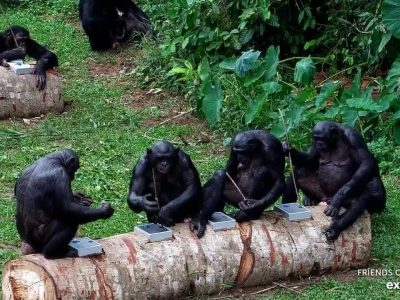
With more than 285 rescued gorillas, chimpanzees and monkeys in care, the sanctuary says this is not an occasional problem. It happens week after week.
Two rooms
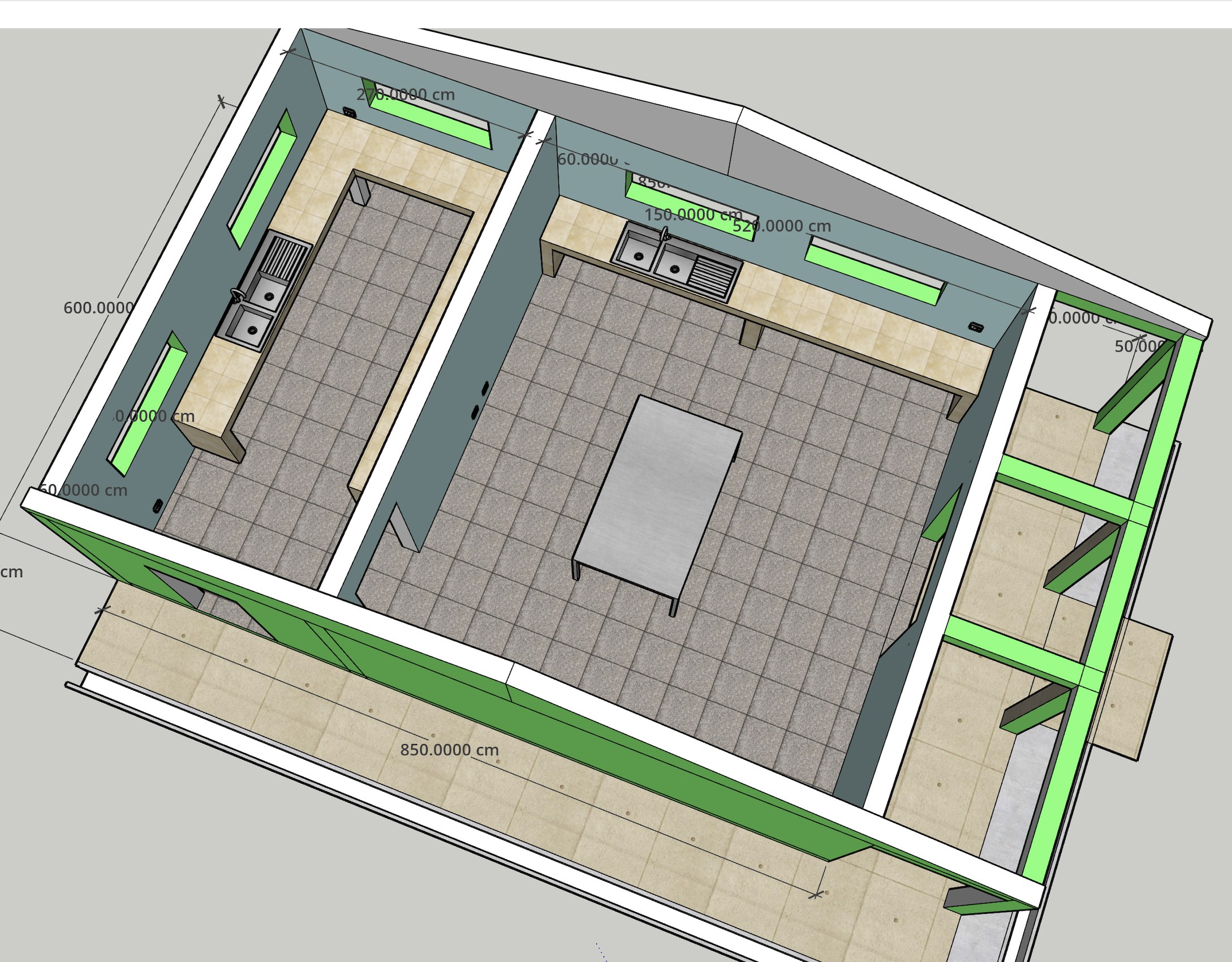
The fix the sanctuary is asking for is a laboratory of its own, built at the on-site veterinary clinic. The published plan is a two-room building, roughly 8.5 meters along the front by 6 meters deep, with counters along two walls, two double sinks and a central bench. The point of the second room is separation: at the moment the veterinary team does this work in a single shared space, which carries a real risk of cross-contamination between samples, tools and materials.
The claim being made for it is modest and specific. A lab on site would let the team screen for the handful of problems they see most often and have an answer in hours rather than days, which means treatment starts sooner and smaller problems get caught before they become large ones. Specialist tests will still go to the city. Ape Action Africa says so itself rather than overselling the building.
The ask, and what it says about sanctuary finance
The money is being raised through Giving Day for Apes, a 24-hour global campaign presented by the Global Federation of Animal Sanctuaries. The thirteenth annual event runs on October 6, 2026. Arcus Foundation started the program in 2014 and co-hosted it until GFAS became the sole presenter in 2019. Early giving is already open, and early gifts also enter a sanctuary into the day’s prize pools.
Ape Action Africa’s goal is $23,000. As of the morning of October 2 the campaign page showed $4,843 raised from 44 donors, or 21 percent. The whole building and the equipment inside it are meant to come out of that.
Readers who have followed this beat will recognize the shape. We wrote two weeks ago about the same sanctuary appealing for 2,000 pounds to rebuild a guenon enclosure, against an annual operating budget of roughly 300,000 pounds for a PASA-accredited sanctuary with no gate revenue and no endowment. A diagnostic laboratory is a capital item at a place where every capital item is a fundraising round.
It is not the only African sanctuary on the list this year. Ngamba Island, on Lake Victoria in Uganda, is raising $40,000 through the same campaign for food, veterinary medicine and care for its 53 rescued chimpanzees, with early giving open since September 15.
Which zoos are behind this
Three, and they are named on the sanctuary’s own front page rather than inferred.
Ape Action Africa’s partners and supporters block carries Apenheul Primate Park in the Netherlands, Prague Zoo and Twycross Zoo in the United Kingdom, alongside the Arcus Foundation, Born Free, ASAF and Rotary. We checked it again this morning and all three were still there.
Twycross is the one that documents what it actually did, and the detail is worth having because it is not only money. The zoo says it provided financial support toward the sanctuary’s running costs in 2016 and sent its chief executive and life sciences director to advise on veterinary care and group management. In 2017 two keepers and its veterinary services manager traveled out to deliver training, support and veterinary care. None of the three zoos discloses an amount.
That is the honest limit of the trace, and it matters here. These three fund the sanctuary. None of them is named as a funder of this laboratory, and the campaign page names no institutional backer at all. We are telling you who pays for the place, not who is paying for the building.
For the sector’s wider figure, the Association of Zoos and Aquariums reports that in 2025 its 235 accredited and certified facilities spent approximately $372.4 million on conservation across 139 countries. No published breakdown isolates the African share of that, and we are not going to estimate one. What is visible here is narrower and more useful: a sanctuary holding 285 primates, three European zoos on its supporter list, and a diagnostic laboratory that currently depends on a public appeal reaching $23,000.
Why a sanctuary needs its own lab
Primate sanctuaries in Central Africa sit a long way from the infrastructure that a zoo veterinary department treats as ordinary. The animals arriving are orphans of the bushmeat and pet trades, often days old and often injured. Ape Action Africa has published X-ray imagery of a young gorilla with a bullet fragment lodged in its skull. Groups are large, contact between individuals is constant, and an infection that goes undiagnosed for four days in a social group of chimpanzees is a different problem from one caught the same afternoon.
The sanctuary’s veterinary team is five people. A building with two rooms and a pair of sinks is not a dramatic piece of news. It is the kind of thing that decides whether a sick animal is treated on Tuesday or on Friday.
Source: Ape Action Africa’s “Health Starts Here: Our Biggest Fundraiser of the Year”, published September 30, 2026, its Giving Day for Apes campaign page and its published partners and supporters block; the Global Federation of Animal Sanctuaries’ Giving Day for Apes about page; the Chimpanzee Sanctuary and Wildlife Conservation Trust’s campaign post of September 15, 2026; and Twycross Zoo’s own project page.
Quick answers
- What is Ape Action Africa raising money for?
A dedicated diagnostic laboratory at the veterinary clinic of its Mefou sanctuary outside Yaounde, Cameroon. The published plan is a two-room building, roughly 8.5 meters by 6, with counters, two double sinks and a central bench. The goal is $23,000 and it covers both the construction and the equipment inside.
- Why does the sanctuary need one?
Because samples currently have to be driven into the city before they spoil and results can take days, during which a sick animal waits. With more than 285 rescued gorillas, chimpanzees and monkeys in care, the sanctuary says this happens week after week. The veterinary team also works in a single shared space at present, which carries a risk of cross-contamination between samples, tools and materials.
- What is Giving Day for Apes?
A 24-hour global fundraising campaign for ape sanctuaries, presented by the Global Federation of Animal Sanctuaries. The thirteenth annual event runs on October 6, 2026. The Arcus Foundation started the program in 2014 and co-hosted it until GFAS became the sole presenter in 2019. Early giving is open before the day itself and early gifts also enter a sanctuary into the day's prize pools.
- How far along is the appeal?
On the morning of October 2 the campaign page showed $4,843 raised from 44 donors, which is 21 percent of the $23,000 goal. Those figures move during a live campaign and are given here as of that moment.
- Which zoos support Ape Action Africa?
Three, named on the sanctuary's own partners and supporters block: Apenheul Primate Park in the Netherlands, Prague Zoo, and Twycross Zoo in the United Kingdom, alongside the Arcus Foundation, Born Free, ASAF and Rotary. Twycross is the one that documents its involvement: financial support toward running costs in 2016 together with visits from its chief executive and life sciences director, and in 2017 two keepers and its veterinary services manager delivering training and veterinary care. None of the three discloses an amount.
- Are those zoos paying for the laboratory?
Not as far as anything published shows. They fund the sanctuary; the campaign page for this building names no institutional backer at all. We are telling you who pays for the place rather than who is paying for the lab, and the difference matters.