
Hillsborough County has agreed to put $75 million of public money into ZooTampa at Lowry Park, and the zoo now has to go build the thing it has been drawing for three years.
County commissioners voted on September 16 to proceed toward finalizing a contract for the funds, which come from the Community Investment Tax. ZooTampa will combine them with private fundraising and its own operating money against a master plan the zoo puts at $150 million over fifteen years.
Today, I am proud to announce that we have reached another major milestone as we continue our march toward the future as a premier conservation organization and Florida’s most-attended cultural institution.
Joe Couceiro, President and Chief Executive Officer, ZooTampa at Lowry Park
What the money is supposed to build
Four pieces, in the zoo’s own description of them.
Asia gets modernized. Expanded multi-species habitats built around orangutans and tigers, which is the section of the zoo where the animal welfare case for spending is easiest to make.
Australia gets bigger, and gets a family ride. This is the one line in the plan that is straightforwardly about attendance rather than animals, and the zoo does not pretend otherwise.
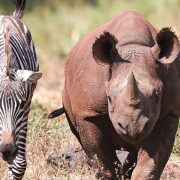
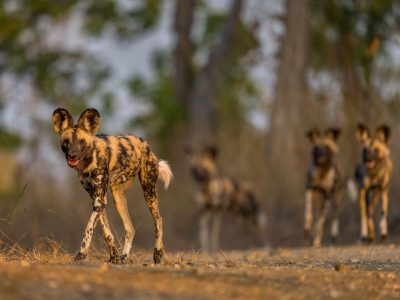
Africa gets rebuilt around expanded multi-species habitats, with African elephants as the anchor.
South America is the new ground. The zoo wants to expand its footprint across the street, toward the Hillsborough River, with habitats, dining and event space, and several public access points into Lowry Park. That last detail matters more than it sounds: it opens riverfront that is currently hard to reach to people who are not paying to visit a zoo.
Why does a zoo need county money at all?
Couceiro gave a specific reason, and it is worth quoting because it is the part most coverage will skip. Community Redevelopment Area dollars, a common funding route for projects like this in Florida, are not available where ZooTampa sits.
With CRA dollars not available in our area to reinforce our sustainability, the County’s investment with the Zoo’s match ensures we can continue advancing critical wildlife conservation, expanding educational opportunities for families, and strengthening our role as a cultural and economic anchor for our community.
Joe Couceiro
In other words, the zoo is not choosing public money over private money. It is saying the usual public mechanism does not reach it, and the county chose a different one.
The part that makes this credible
ZooTampa has already run a campaign of this shape and finished it. The $33 million Guardians of Wildlife Campaign closed, and Florida Waters opened. That is the difference between a master plan and a wish list, and it is presumably what the commission was weighing.
The zoo first laid out a multi-year transformation back in 2023. This is the money arriving for it.
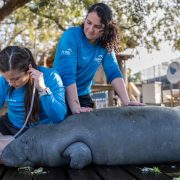
The same institution runs one of the busiest manatee critical care operations in Florida, which has returned more than 640 animals to the wild, and treats patients there with techniques most zoos do not attempt. None of that is in the master plan, because it is already running.
What we do not know yet
The commission approved proceeding to a contract, not a signed contract. No construction dates, no order of operations, and no per-project budget have been published. Fifteen years is long enough for a plan to change several times, and the $150 million total is the zoo’s figure rather than an audited one.
Couceiro thanked Commissioner Wostal by name for championing the request, along with the commissioners who voted in support.
ZooTampa is accredited by the Association of Zoos and Aquariums. Its statement and images are available through the zoo’s media relations office.