
The Detroit Zoo‘s Fred and Barbara Erb Discovery Trails opened over Memorial Day weekend 2026. In August the seven-acre complex earned something no other project in Detroit has: SITES Gold certification.
What SITES certification is
SITES, the Sustainable SITES Initiative, is a rating system for landscapes. The easiest way to understand it is by analogy: SITES is to outdoor space roughly what LEED is to buildings. It scores a site across ten categories covering environmental, social and economic performance, and it applies to the ground, the plantings, the water and the paths rather than to a structure.
The Erb Discovery Trails is the first SITES-certified project in Detroit, the third in Michigan, and the hundredth project certified worldwide under version 2 of the rating system.
What earned it
The Treetop Crossing and Canopy Trail structures were built from black locust, chosen for durability and lower environmental impact. Native plants were selected to support biodiversity. Stormwater is managed naturally on site before it reaches local waterways. Construction waste was diverted from landfills. A long-term stewardship plan covers maintenance.
Andy McDowell, the Detroit Zoological Society’s director of sustainability, called the certification a milestone that sets a new standard. Amanda Brookes, the sustainability consultant on the project, made the point that matters most for anyone planning a build: “Sustainability is not something that you tack on at the end of a project.”
What is actually out there
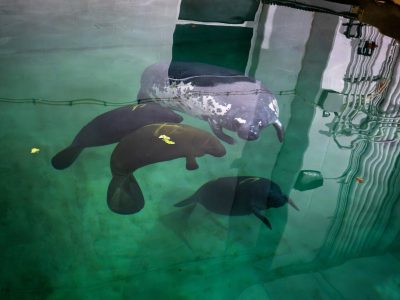
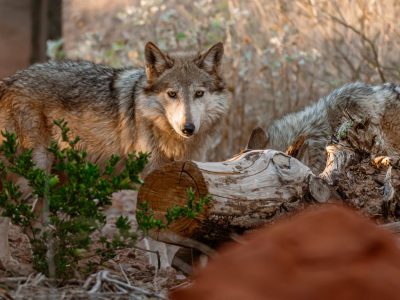
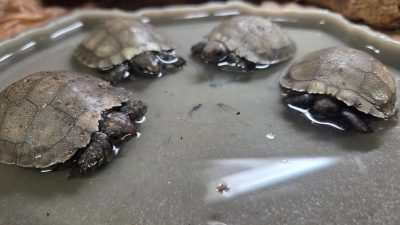
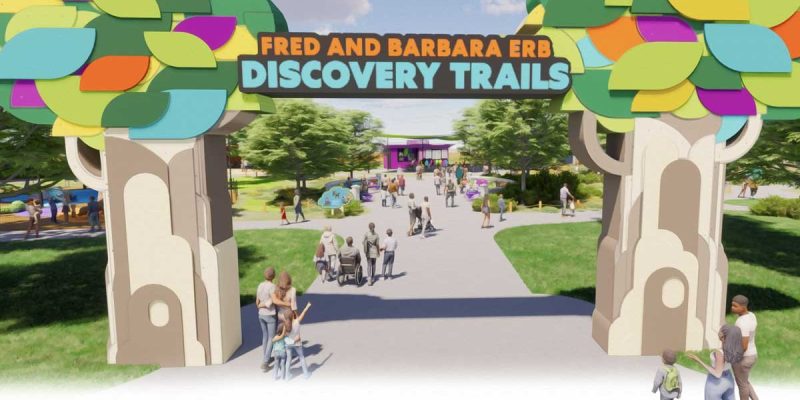
Discovery Trails covers seven acres and is included with admission, and free for members. Visitors will find bush dogs, giant anteaters, southern stingrays, prairie dogs, domestic goats, alpacas, burrowing owls, brownbanded bamboo sharks, miniature donkeys and domestic chickens. There is a goat encounter yard, aerial climbing, and hands-on animal experiences. The zoo describes the design as built for every age, ability and curiosity level, and the entry rendering shows a wide, level path.
How it got funded
In October 2025 the Detroit Zoological Society announced a $6 million gift from the Fred and Barbara Erb Family Foundation, one of the largest contributions in the zoo’s history, to create the trails.
“Nearly 20 years ago, Fred and Barbara’s names were etched into the Polar Passage in our Arctic Ring of Life habitat, and now, it is especially meaningful that those same names will greet guests at a new experience that is every bit as bold and inspiring.”
Dr. Hayley Murphy, executive director and CEO of the Detroit Zoological Society
The Erb family’s connection to Royal Oak goes back generations, from a great-grandfather who served as postmaster and general store proprietor onward.
Why the certification is the story
Zoos build for animals and for guests, and both of those are visible on opening day. The ground under a seven-acre exhibit is not. Choosing black locust over treated lumber, sizing a site to hold its own stormwater, and writing a stewardship plan that outlives the ribbon-cutting are decisions made two years before anyone walks the path, and they are the decisions that determine whether the place still works in 2046.
Quick answers
- What is SITES certification?
SITES, the Sustainable SITES Initiative, is a rating system for landscapes. It is to outdoor space roughly what LEED is to buildings, scoring a site across ten categories covering environmental, social and economic performance, and it applies to the ground, plantings, water and paths rather than to a structure.
- What did the Detroit Zoo earn?
SITES Gold certification for the Fred and Barbara Erb Discovery Trails, a seven-acre complex that opened over Memorial Day weekend 2026. It is the first SITES-certified project in Detroit, the third in Michigan, and the hundredth project certified worldwide under version 2 of the rating system.
- What earned the certification?
The Treetop Crossing and Canopy Trail structures were built from black locust, chosen for durability and lower environmental impact. Native plants were selected to support biodiversity, stormwater is managed naturally on site before it reaches local waterways, and construction waste was diverted from landfills.