
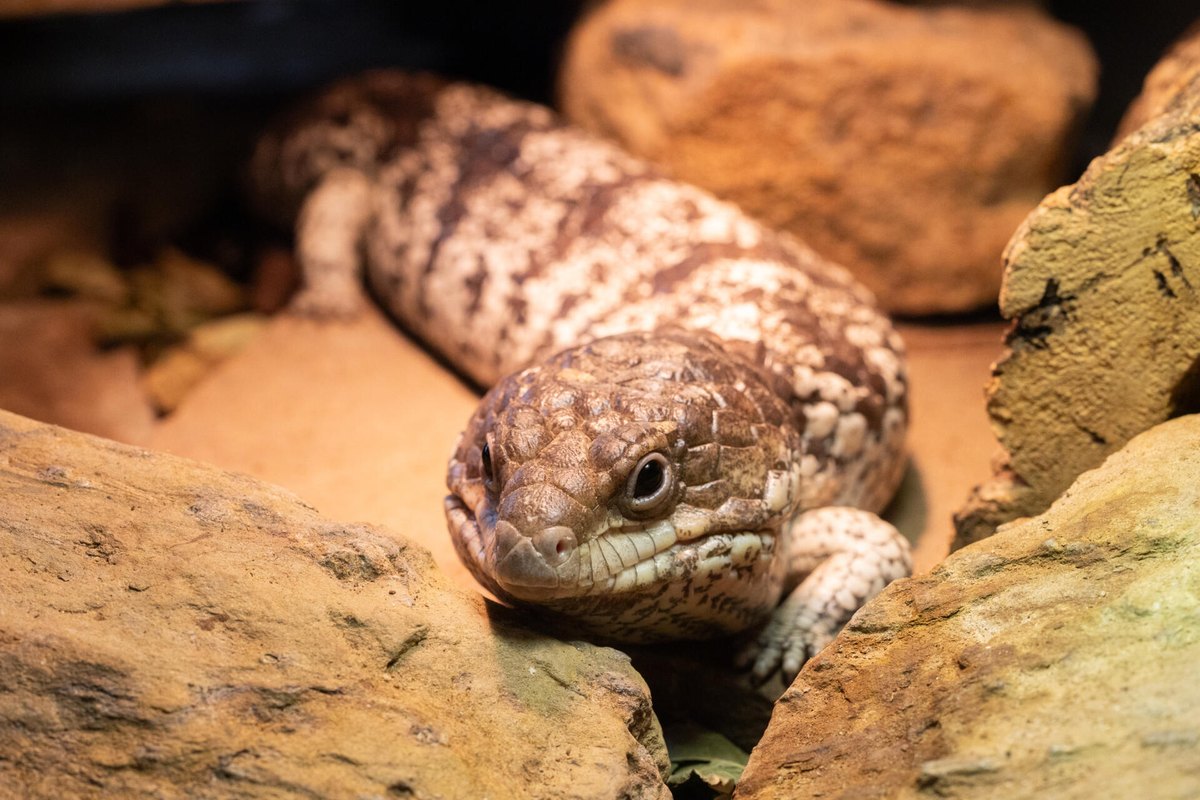
A Madagascar hissing cockroach, a blue-tongued skink and a striped skunk make up part of the working roster of Fresno Chaffee Zoo’s Animal Ambassador program, and between them they do a job the rest of the collection cannot.
An animal ambassador is an animal trained and conditioned to be brought to people, rather than waited for by people. The term is worth keeping and worth defining, because it describes a genuinely different arrangement: these animals travel to a lawn, a classroom or a senior center and appear a few feet away from an audience, which almost nothing in a zoo habitat ever does. Thousands of guests a year meet one, and the animals chosen are frequently the ones a visitor would otherwise walk straight past.
Where do the ambassadors actually live?
Most of them live in the Ambassador Complex, which opened in 2021 and gave the zoo the room to expand both the Animal Ambassador program and its Winged Wonders Bird Show.

The building has a countable structure, which is the part worth knowing. The main building holds three rooms, divided by what the animals need rather than by what they are called: one for small invertebrates and amphibians, one for reptiles, one for small mammals. A second building has stalls for the larger animals, each customized to its species, and each with indoor and outdoor space.
That last detail is the one that matters most for the animals. Indoor and outdoor access means an ambassador decides where to be. Choice and control are the standard measures of good welfare in a modern collection, and they are harder to deliver for an animal that spends part of its week being handled than for one that never leaves a habitat. Building them into the housing is how a program like this stays defensible.
What can a visitor do with this?
The zoo runs three ambassador chats through the day at fixed places: 9:30 a.m. on the Gift Shop Lawn near the front entrance, 12:30 p.m. at Exploration Station across from the flamingo habitat, and 1:30 p.m. in the Tonlé Classroom in Kingdoms of Asia. Three stops, three different parts of the zoo, which means a visitor who plans around them gets a reason to cross the whole site.
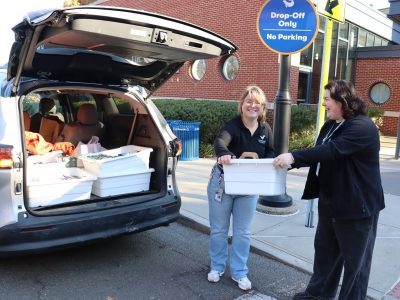
Ambassadors can also be booked into a birthday party or a private event at the zoo. And for people who cannot get to Fresno at all, the ZooMobile takes selected ambassadors out to schools, libraries, senior centers and community centers around the area.
The senior centers are the detail worth pausing on. A zoo’s education program is usually described in terms of children, and school visits are the bulk of it. A striped skunk carried into a room of people who can no longer easily make the trip to the zoo is the same program pointed somewhere less obvious, and it is the kind of community work that rarely gets counted when anyone asks what a zoo is for.
Why a cockroach?
Because the animals that need an advocate are not usually the ones on the poster. A Madagascar hissing cockroach is roughly the least charismatic animal a zoo can hand someone, and handing it to them is the entire point: it is very hard to keep a blanket opinion about insects intact while one sits on your palm making a noise.
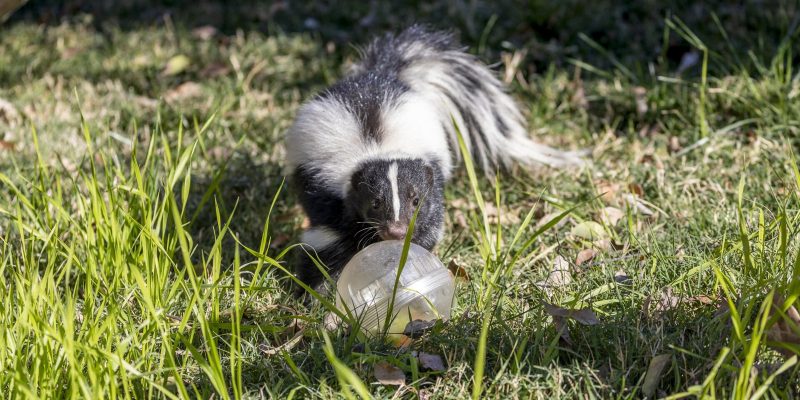
The same logic runs through the rest of the roster. A blue-tongued skink is a lizard most Californians will never see. A striped skunk is an animal most people know only as a smell and a shape in the headlights, and meeting one awake, curious and working at an enrichment puzzle rearranges that. Fresno Chaffee has been pushing on this from several directions lately, from the specialized respiratory care it provides an orangutan named Busar to a state ivory surrender program it hosted.
The ambassador idea is not unique to Fresno. It is organized across accredited institutions through the Association of Zoos and Aquariums’ Ambassador Animal Scientific Advisory Group, a standing body of education, animal management and welfare specialists whose stated job is to support professional standards in how ambassador animals are managed and handled. Fresno’s version of it comes down to three rooms, two buildings, three chats a day and a van, aimed at the proposition that the smallest and least expected animals have a story worth discovering.
Quick answers
- What is an animal ambassador?
An animal trained and conditioned to be brought to people rather than waited for by people. Ambassadors appear a few feet from an audience at keeper chats, at events and on off-site visits.
- Which animals are ambassadors at Fresno Chaffee Zoo?
The zoo names a Madagascar hissing cockroach, a blue-tongued skink and a striped skunk among them.
- Where do the ambassador animals live?
Most live in the Ambassador Complex, which opened in 2021. Its main building has three rooms, one for small invertebrates and amphibians, one for reptiles and one for small mammals. A second building has stalls for larger animals, each with indoor and outdoor space.
- When are the ambassador chats?
Three a day: 9:30 a.m. on the Gift Shop Lawn near the front entrance, 12:30 p.m. at Exploration Station across from the flamingo habitat, and 1:30 p.m. in the Tonlé Classroom in Kingdoms of Asia.
- Can an ambassador animal visit my school?
The zoo’s ZooMobile program takes selected ambassadors to schools, libraries, senior centers and community centers in the area. Ambassadors can also be booked for birthdays and private events at the zoo.