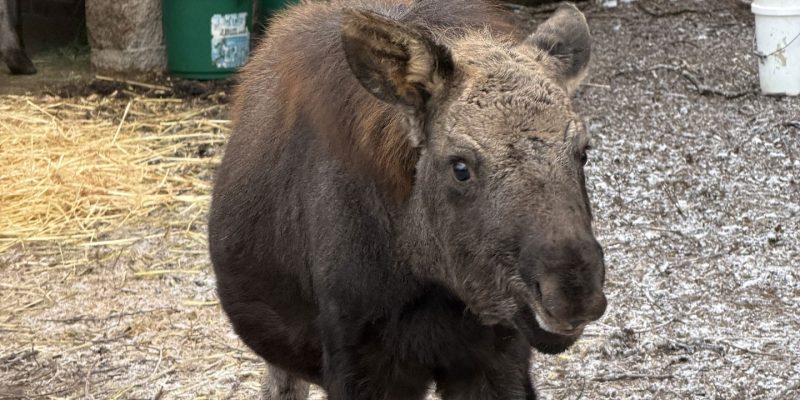
Two orphaned Alaska moose calves left Anchorage on Wednesday, November 11, bound for Cheyenne Mountain Zoo in Colorado Springs. The trip runs about 17 hours, an experienced moose keeper from The Alaska Zoo is traveling with them to handle care checks, snacks and water between flights, and the zoo expects them on the ground later in the week.
Both calves are about seven months old and the two are not related. The female’s mother was killed, either struck by a vehicle or in a conflict with people, and wildlife authorities brought the calf to The Alaska Zoo. Her prognosis was very tentative and she needed around-the-clock care in her first weeks. The male was separated from his mother and his twin, and the three never managed to reunite. The Alaska Zoo took both of them in during May, when each was probably only days or weeks old.
That is the whole of the loss, and the rest of this is what came after it. The two have spent the entire summer together, which is why the Rocky Mountain Wild team has spent this week babyproofing one moose yard rather than dividing it into two.
Why Anchorage produces orphaned moose every summer
The Alaska Zoo specializes in animals that would not survive in the wild, and moose-human conflict around Anchorage is common enough that rescuing calves is a routine part of its summer rather than an emergency. A city built in moose habitat generates collisions, and a collision that kills a cow in May leaves a calf that cannot feed itself.
Calves rescued this way have made the trip south before. Northwest Trek Wildlife Park in Washington took in two newly rescued moose calves in 2023 under the same logic: an animal that cannot be returned to the wild can still have a full life somewhere that knows how to keep it.
One of the only zoos in the country with moose
Cheyenne Mountain Zoo is one of very few institutions accredited by the Association of Zoos and Aquariums anywhere in the United States that keeps moose at all. Because moose are so rare in human care, a great deal of what is known about looking after them was worked out in Colorado Springs: formulating moose diets, testing a prosthetic toe, and training the animals for cooperative blood draws and hoof care.
Cooperative care is the term for training an animal to take part in its own medical treatment voluntarily, presenting a leg or standing still for a needle because it has learned that doing so is safe and pays, rather than being restrained or anesthetized for it. On an animal the size of an adult moose that is not a convenience. It is the difference between a routine blood test and a general anesthetic, and it is why a prosthetic toe was ever a realistic idea.
That body of work was built with two animals, Tahoma and Atka. Tahoma died in 2020 and Atka died this September. Atka came to Colorado Springs through the same Alaska Zoo rescue program these two calves are traveling on now, which is the reason the zoo knew what to do when the call came.
What the calves are like
Two of the zoo’s communications staff, Heidi Lopez and Rachel Wright, flew to Anchorage to meet The Alaska Zoo’s moose team and to film the journey home, and they met the calves in person first.
“The female is very confident and outgoing,” Wright said. “Because they’re still small and it’s safe to share space with them under certain limitations, Heidi and I met them up-close at The Alaska Zoo. When they came out from their barn, they both immediately trotted up to us to see if we had snacks for them. She is much bigger than the male, and her investigation came with a very enthusiastic boop.”
The male is the smaller of the two and, by both accounts, the friendlier. “He’s got an adorable goofy face, and the sweetest demeanor,” Lopez said. “He kept nudging me and licking me while we were trying to film them, which I didn’t mind at all. It’s clear The Alaska Zoo team has helped these calves learn that people are safe, and that’s going to make them wonderful ambassadors for their relatives in the wild.”
When guests can see them
Neither calf has been named yet. They move into the moose habitat in Rocky Mountain Wild when they arrive, and the care team plans to follow the animals rather than a schedule. The zoo expects them to start exploring the yard in guest view by the weekend, and says they may be in and out of it while they settle, because they will have access to their barn whenever they want it. The zoo is posting updates on its own channels as the trip happens.
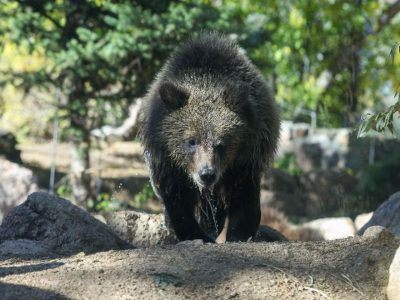
Rocky Mountain Wild has had a busy fortnight. Two orphaned grizzly cubs went on public view in a renovated yard there on November 10, and two moose calves are now inbound. All four animals are in Colorado because something happened to their mothers, and all four are about to have a considerably larger life than the one they were headed for.
Quick answers
- Where are the moose calves coming from?
The Alaska Zoo in Anchorage, which took them in as orphans in May. They left Anchorage on November 11 for Cheyenne Mountain Zoo in Colorado Springs, a trip of about 17 hours.
- Why were they orphaned?
The female's mother was killed, either struck by a vehicle or in a conflict with people. The male was separated from his mother and his twin, and the three never managed to reunite.
- Are the two calves related?
No. Both are about seven months old and they have lived together since May, and they will keep living together at Cheyenne Mountain Zoo.
- Have the calves been named?
Not yet.
- When will guests be able to see them?
The zoo expects them to start exploring their yard in guest view by the weekend after they arrive, although they will have access to their barn whenever they want it.
- Why does Cheyenne Mountain Zoo keep moose?
It is one of very few institutions accredited by the Association of Zoos and Aquariums anywhere in the United States that keeps moose at all, and much of what is known about their care was worked out there, including moose diets, a prosthetic toe and cooperative blood draws.
- What is cooperative care?
Training an animal to take part in its own medical treatment voluntarily, presenting a leg or standing still for a needle because it has learned the process is safe, instead of being restrained or anesthetized for it.
- Who travels with the calves?
An experienced moose keeper from The Alaska Zoo, handling care checks, snacks and water between flights.