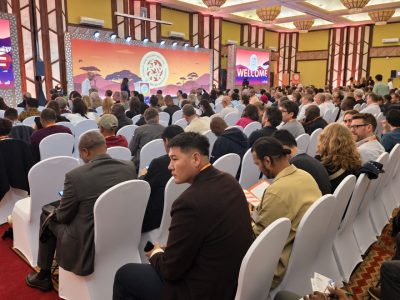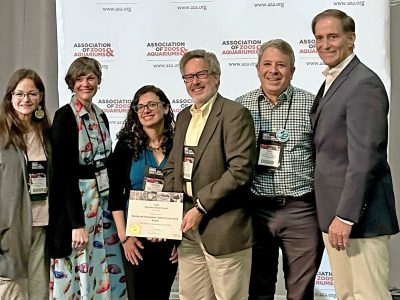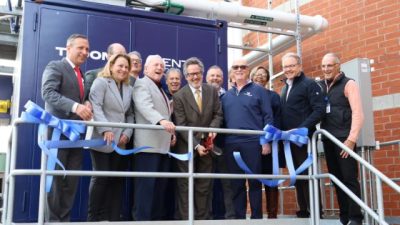

The East Coast Zoological Foundation, the organization behind Brevard Zoo, took two national awards from the Association of Zoos and Aquariums this week: a Volunteer Engagement Award for its Restore Our Shores program and an Education Award for Be Outside with Brevard Zoo. Both were announced at the AZA annual conference in Portland, Oregon.
What makes the pair worth reading together is that neither award is for anything inside the zoo fence.
606 volunteers and 52,000 square feet of oyster reef
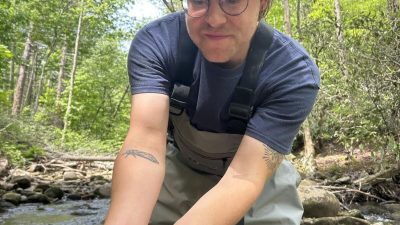
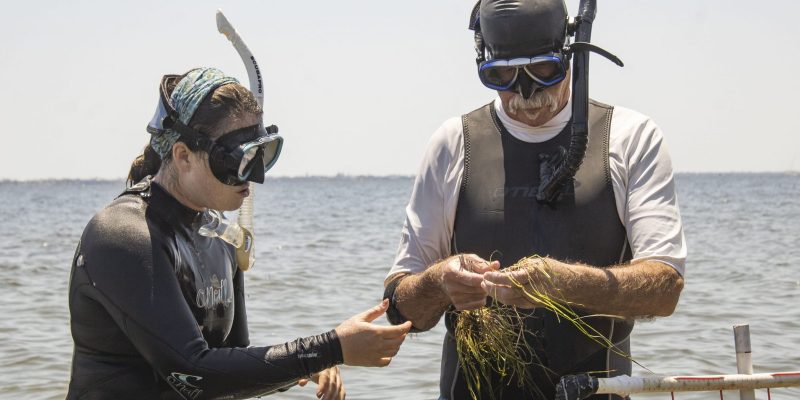
Restore Our Shores works on the Indian River Lagoon, the biodiverse estuary system that runs behind the barrier islands of Florida’s central Atlantic coast and supplies six counties with their water view, their fishing and a good deal of their economy. The program’s method is community labor pointed at habitat: building living shorelines, restoring oyster and clam populations, planting mangroves and supporting seagrass recovery.
The 2025 numbers are the reason the award landed. 606 Restore Our Shores volunteers worked alongside staff, logging over 9,306 hours, and helped restore more than 52,000 square feet of oyster reef.
“Our Restore Our Shores volunteers work alongside our staff in often strenuous conditions as we work to balance a critical local waterbody, the Indian River Lagoon,” said Keith Winsten, CEO of East Coast Zoological Foundation. “They brave heat, rain, and more with one shared goal in mind: Seeing the Lagoon, a biodiverse ecosystem for six Florida counties, back to overall good health.”
Oyster reef and seagrass are the two pieces of that system that do the most work per square foot. An oyster bed filters water and gives small fish somewhere to be; seagrass is the nursery habitat and the food supply underneath almost everything else in the lagoon, which is why Florida’s Fish and Wildlife Conservation Commission runs a standing research program on it. Fifty-two thousand square feet is a little over an acre of reef, built by hand, in one year, by people who were not being paid.
The second award is about getting kids outside at all
Be Outside with Brevard Zoo is a Conservation Learning program aimed at under-resourced youth, and its premise is that the barrier is access rather than interest. The experiences are free. For many of the middle and high school students who go through it, the program is the first time they have kayaked, hiked or been out on the Indian River Lagoon at all.
The zoo surveys participants, and the results are specific enough to be useful: 97 percent actively engage in outdoor skills during a session, 83 percent say they intend to repeat outdoor recreational experiences, 93 percent can describe something new they learned about Florida’s ecosystems, wildlife or conservation, and 72 percent can state an action they could take to support local conservation. 62 percent reported a statistically significant increase in their connection to nature.
“I am very proud of our Conservation Learning team and their ability to provide impactful, immersive experiences designed to convey the knowledge needed to empower change and inspire action towards a more sustainable future,” Winsten said. “Be Outside with Brevard Zoo is a powerful tool in our ability to ‘share our joy of nature to help wildlife and people thrive.’ This pioneering program is unique in Florida and is a model for how modern zoos can be hubs for community-based conservation engagement.”
In 2024 the program served 712 young people, and the foundation says the number has risen every year.
Why does a zoo run a shoreline restoration program?
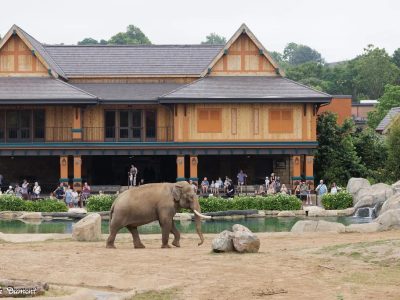
Because the lagoon is the local ecosystem, and a zoo that only looks after the animals on its own property is answering a smaller question than the one its visitors are asking. Brevard has been working both sides of this for years, and the animals inside the fence keep arriving regardless: the zoo welcomed a calf named Gail in September, its first in six years. The awards say the outside work is now as strong as the inside work.
Quick answers
- Which two awards did Brevard Zoo win?
The East Coast Zoological Foundation, the organization behind Brevard Zoo, received an AZA Volunteer Engagement Award for its Restore Our Shores program and an AZA Education Award for Be Outside with Brevard Zoo. Both were announced at the AZA annual conference in Portland, Oregon.
- What does Restore Our Shores actually do?
Habitat restoration in the Indian River Lagoon using volunteer labor: building living shorelines, restoring oyster and clam populations, planting mangroves and supporting seagrass recovery.
- How much work did the volunteers do?
In 2025, 606 Restore Our Shores volunteers worked alongside staff, logged over 9,306 hours, and helped restore more than 52,000 square feet of oyster reef. That is a little over an acre of reef in a single year.
- Who is Be Outside with Brevard Zoo for?
Under-resourced young people, mostly middle and high school students, at no cost. For many participants it is the first time they have kayaked, hiked or been out on the Indian River Lagoon at all.
- Does the education program work?
By the zoo's own participant survey: 97 percent actively engage in outdoor skills during a session, 93 percent can describe something new they learned about Florida's ecosystems, wildlife or conservation, 83 percent say they intend to repeat outdoor recreational experiences, and 72 percent can name an action they could take to support local conservation. The program served 712 young people in 2024 and the foundation says the number has risen every year.