
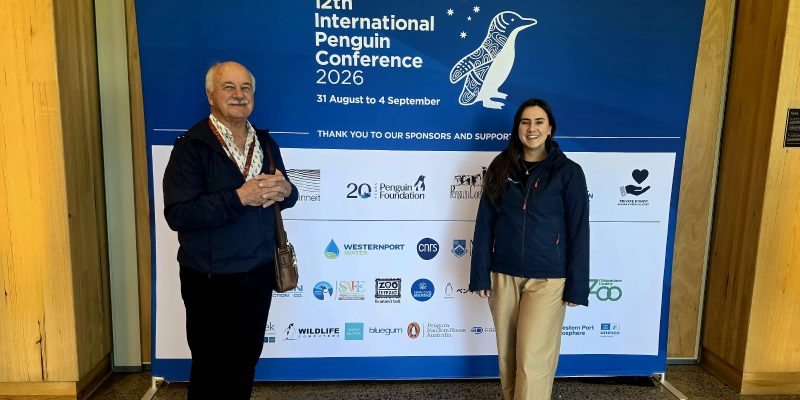
Two people from a South African conservation trust went to the world’s main penguin science meeting and came home with one blunt sentence: not one penguin species is currently doing well. The 12th International Penguin Conference ran from August 31 to September 4, 2026 on Phillip Island in Australia, and the Dyer Island Conservation Trust published its account of it on September 7.
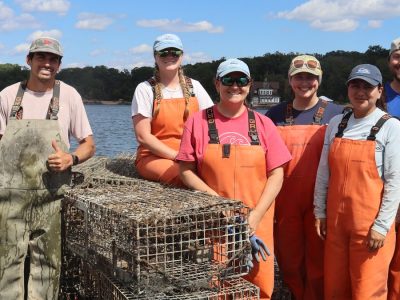
The Trust was represented by its founder Wilfred Chivell, who is also chief executive of Marine Dynamics, and by Dr Loraine Shuttleworth, head of research for both organizations.
The finding they brought back
Delegates covered little penguins and rockhopper penguins from Australia, yellow-eyed penguins from Aotearoa New Zealand and emperor penguins from Antarctica. The Trust’s summary of the range of species is short and unhappy: none of them is in good shape.
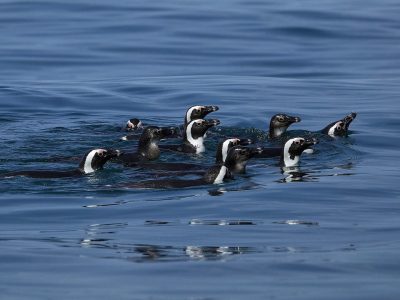
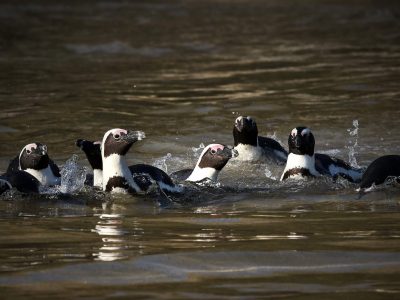
Climate change came through as the common thread, affecting food availability, breeding success, habitat and the wider marine systems the birds feed in. The Trust also drew a direct parallel between the Humboldt and Magellanic penguins of South America and the Critically Endangered African penguin it works on at home.
The other theme was less glamorous and more useful: counting. Regular, accurate colony counts are what tell anyone whether an intervention is working, and Shuttleworth’s interest at the conference was in the technologies now being used to monitor colonies that are hard to survey by walking into them.
What the Trust does at home
Dyer Island Conservation Trust works out of Gansbaai in the Western Cape, on a stretch of coast that holds one of the African penguin’s remaining breeding sites. It runs the African Penguin and Seabird Sanctuary, operates a penguin rescue line, and has spent years putting artificial nest houses onto Dyer Island, where guano harvesting stripped away the material the birds used to burrow into.
The nest houses are the part of the program that outside money buys, and the Trust publishes who bought them.
Which zoos are on that list
Quite a few, as it turns out. The Trust’s supporters page groups penguin nest sponsors into tiers, and the top tier, which it labels as fifty or more houses, includes Dallas Zoo Association and the Two Oceans Aquarium in Cape Town alongside corporate and private donors. Further down the same list are Columbus Zoological Park, Tanganyika Wildlife Park, Henry Vilas Zoo, Metro Richmond Zoo, the Dallas Zoological Society, Denmark’s Den Bla Planet National Aquarium and the Combe Martin Wildlife park in the United Kingdom.
This is the shape of thing we go looking for and often do not find. An African seabird organization publishes a supporter wall, and accredited institutions in the United States, Denmark, South Africa and Britain are on it by name, paying for a specific physical intervention rather than a general fund.
Two qualifications, because they matter. The sponsorship is for the nest house program, not for the conference trip these two researchers took, and the tier labels on the page describe numbers of houses rather than sums of money, which the Trust does not publish. Anyone wanting to know what a nest house costs will not find it there.
Why the nests are the intervention
African penguins nested in guano. Centuries of scraping the islands bare for fertilizer took that away and left the birds laying in the open, where eggs and chicks cook in the sun and are simple for gulls to take. An artificial nest house is a crude-looking object that restores the one thing the island no longer provides, which is shade and a roof.
The species was assessed by BirdLife International for the IUCN Red List on July 4, 2024 and listed as Critically Endangered, with about 19,800 mature individuals and a decreasing trend. It is the only penguin that breeds in Africa, along the coasts and islands of South Africa and Namibia.
European zoos are rebuilding around the same bird. ARTIS in Amsterdam is converting its sea lion enclosure into a penguin habitat with 110 nest sites, which is the same logic as Gansbaai’s, indoors and with a construction budget.
The Trust’s account of the conference is published on the Dyer Island Conservation Trust blog.
Quick answers
- What did the Dyer Island Conservation Trust report from IPC12?
That not one penguin species is currently doing well. The 12th International Penguin Conference ran August 31 to September 4, 2026 on Phillip Island, Australia, and the Trust published its account on September 7.
- Which zoos sponsor African penguin nest houses at Dyer Island?
The Trust's published supporter list includes Dallas Zoo Association and Two Oceans Aquarium in its top tier, with Columbus Zoological Park, Tanganyika Wildlife Park, Henry Vilas Zoo, Metro Richmond Zoo and Den Bla Planet also named.
- Why do African penguins need artificial nests?
They nested in guano, and centuries of guano harvesting stripped the islands bare. Without it the birds lay in the open, where eggs and chicks overheat and are easily taken by gulls.
- How endangered is the African penguin?
Critically Endangered. BirdLife International assessed the species for the IUCN Red List on July 4, 2024 and put the population at about 19,800 mature individuals, with a decreasing trend.