
Over the past 15 years, the Saint Louis Zoo and its partners have put more than 12,000 hellbenders back into Missouri rivers. In July it received the first award ever given for that kind of partnership.
The Saint Louis Zoo WildCare Institute Ron and Karen Goellner Center for Hellbender Conservation was announced on July 30, 2026 as the inaugural recipient of the PARC Collaborative Conservation Partnership Award, from Partners in Amphibian and Reptile Conservation.
What the award is for
The award recognizes partnerships that significantly advance amphibian and reptile conservation. The Center was selected because three institutions work the problem together: the zoo, the Missouri Department of Conservation and the U.S. Fish and Wildlife Service.
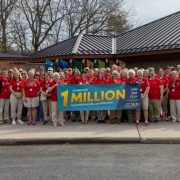
“This recognition is a testament to the years of passion, time and hard work of all involved in the Center as we rebuild the hellbender population. The conservation milestones we’ve reached would not be possible without partnering with MDC and USFWS.”
Justin Elden, director of the Center and curator of herpetology and aquatics, Saint Louis Zoo
The animal
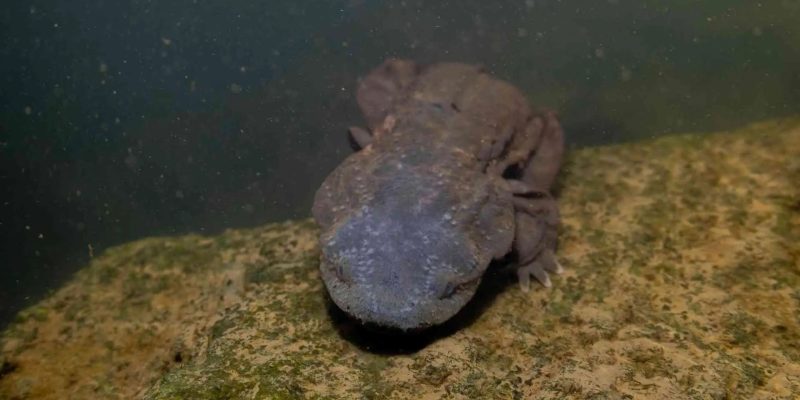
The hellbender is the largest salamander in North America and Missouri’s official endangered species. It is listed as endangered at both the state and federal level there.
Missouri is the only state where both the Ozark and eastern hellbender are found in the wild, which makes it the one place a recovery program can work on both at once. Both populations have declined more than 70 percent over the past 40 years.
They are often called living fossils, and the label is earned. Hellbenders have been in Missouri waterways for tens of thousands of years, breathing through their skin in cold, fast, clean water, which is exactly the kind of water that human activity is worst at leaving alone.
Why 12,000 is the number that matters
Captive breeding an amphibian is not the hard part. Getting one to survive after release is.
A number like 12,000 over 15 years represents a breeding operation that had to be figured out from scratch, a release protocol adjusted repeatedly, and a state agency willing to keep the habitat side of the bargain. No one of those three institutions could produce that figure alone, which is precisely what the award is recognizing.
It is also the kind of program that only exists because a zoo decided to fund it. A giant aquatic salamander has no visitor draw and no fundraising constituency, and the same pattern shows up in the Wyoming toad work at Como Park and in amphibian programs across the country.
Source: Saint Louis Zoo.