
The Sacramento Zoo has spent nine years looking for more room. On Tuesday, September 1, 2026, it found some, and not where almost anyone expected.
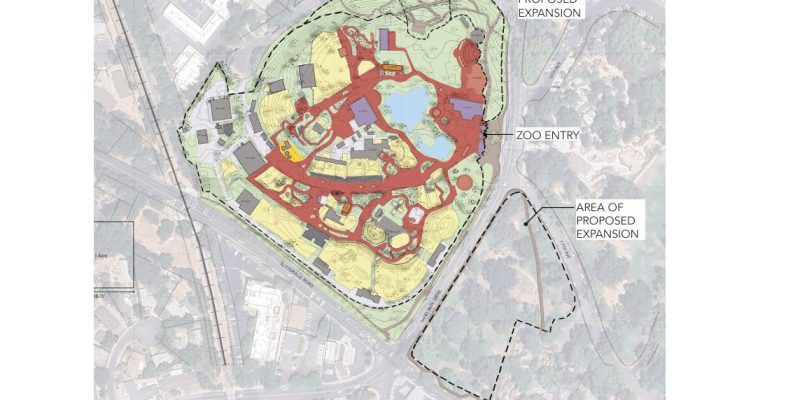
The Sacramento City Council voted to amend the city’s operating agreement with the Sacramento Zoological Society, authorizing an expansion of roughly 5.6 acres inside William Land Park. The Society’s board approved the amendment the same day. Once every remaining step is completed, the zoo’s operating footprint grows by close to 40 percent.
It would be the first expansion of the Sacramento Zoo since 1968.
Why this is a surprise
For most of the past decade, the answer to Sacramento’s space problem was supposed to be somewhere else entirely.
In March 2022, the Elk Grove City Council received a feasibility study for a new regional zoo on a 75-acre site and extended an exclusive negotiating agreement with the Society. The plan on the table then was a zoo built in phases over roughly a decade, with a first phase built around African animals: giraffe, rhinoceros, lion, cheetah, wild dog, meerkat, hippopotamus, okapi and ostrich. Later phases would have added great apes and wildlife from California, Asia and Australia. A new veterinary and animal health center would have deepened the zoo’s existing partnership with the UC Davis School of Veterinary Medicine.
Nine years of work on a relocation has now produced a different answer: stay put, and grow into the park next door.
“After almost 9 years working to find more room for our beloved zoo, this is a monumental step forward, providing the space and flexibility we need to thoughtfully make improvements and plan for the zoo’s future. We are thrilled to say there is now a viable path for the zoo to remain in Land Park.”
Elizabeth Stallard, chair of the Sacramento Zoological Society Board of Trustees
What 5.6 acres buys
The Society has published concept plans for two expansion areas, an eastern parcel and a northern one, dated May 2026. They are concepts rather than construction drawings, and the zoo is clear that site design and environmental review still have to happen before anything is built. What they show is worth reading anyway, because they say what the zoo would do with the room.
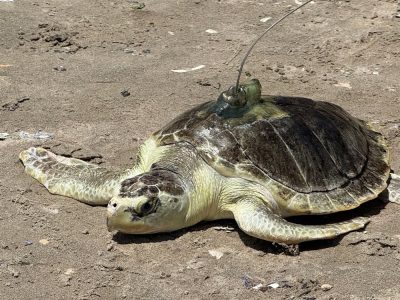
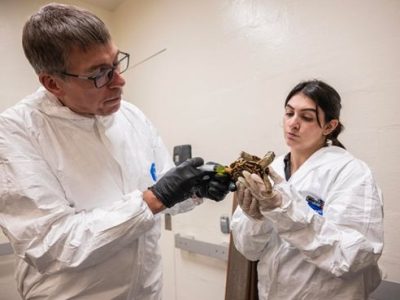
The eastern concept plan divides the parcel into zones. A habitat immersion zone would hold aviaries, wetlands and nature-based learning, with river otters, flocking birds, butterflies, native wetland species and serval listed as candidates. An education and ambassador center would serve as a multi-use conservation learning building for birds of prey, parrots, reptiles, amphibians, small mammals and invertebrates. A nature path and education programming zone would carry a nature walk, pollinator and learning gardens and a field trip base camp, with western pond turtles, desert tortoises and bobcats named as possible residents. There is a support zone for staff parking, and a bus drop off at the perimeter.
Nothing on those plans is a commitment. Every species listed is a candidate. But the shape of the thinking is visible: this is not a plan to add one headline animal. It is a plan to add the kind of space a hundred-year-old urban zoo runs out of first, which is room for programming, for native species, and for the back-of-house work that makes the front of house possible.
What has to happen next
Before the zoo can build in the expansion area, the Society has to complete further site design and a required environmental impact review. That process takes time, and the Society has said it will keep sharing information about its plans as it works through it.
The zoo turns 100 in 2027. It will mark the centennial roughly 60 years after the last time its boundaries moved.
Sources: the Sacramento Zoological Society’s expansion announcement and concept plans, and the March 2022 letter from then-executive director Jason Jacobs on the Elk Grove vote.