
In May 2026, avian influenza was detected within 200 kilometres of the Wilder Institute’s Calgary Zoo. The zoo closed one aviary, put foot baths at the entrances of two others, and told the public exactly what it was doing and why.
What 200 kilometres means
The distance is the interesting number. Nothing had reached the zoo, and the zoo acted anyway.
Highly pathogenic avian influenza moves with wild birds, which is precisely why a perimeter measured in hundreds of kilometres is the relevant unit rather than a fence line. A detection two hours’ drive away is inside the range of any waterfowl that might overfly the grounds, and the virus is carried in droppings. There is no gate that stops it.
What a facility can control is what its own animals touch and what visitors carry in on their shoes, which is what the measures addressed:
- Foot baths at the entrances to Penguin Plunge and the Rainforest Aviary for guests to use
- The Jihad Shibley Rocky Mountain Aviary closed until further notice
- Birds continuing to have outdoor access where appropriate and weather permitting
The third measure is the one to notice
Keeping birds outdoors during an avian influenza scare looks like the wrong call and is a considered one.
The safest possible response is to bring every bird inside and leave it there. The cost is paid by the animals: less space, less light, less complexity, and weeks or months of it, since these events do not resolve quickly. A facility that moves straight to total confinement at the first regional detection has chosen the option that is easiest to defend rather than the one that is best for the birds.
Calgary’s answer was to keep outdoor access where appropriate, judged bird by bird and day by day, while hardening the places where people and birds meet. That requires being willing to explain a nuanced decision publicly, which is harder than announcing a lockdown.
Why zoos are exposed
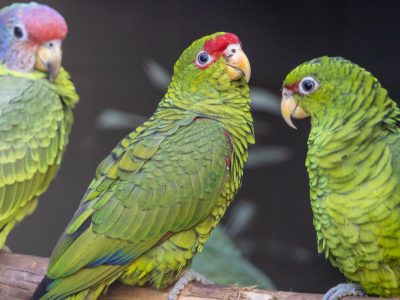
Zoo bird collections are unusually valuable and unusually irreplaceable. Many are endangered species held in managed breeding programmes, representing decades of work and genetics that do not exist in quantity anywhere else. An outbreak in a collection is not a production loss, it is a conservation loss.
The zoo said its animal care, health and welfare team would keep monitoring the situation. Precaution, in this context, is not excessive caution — it is the recognition that the downside is unrecoverable.
The same aviary had a good spring otherwise: three great grey owl chicks hatched there weeks earlier.