
Two fishing communities in the Niger Delta now have solar-powered cold storage, and the freezers were not handed to the men who catch the fish. They were handed to the women’s organizations that buy, process and sell it, who set the price per kilogram and keep what the storage earns.
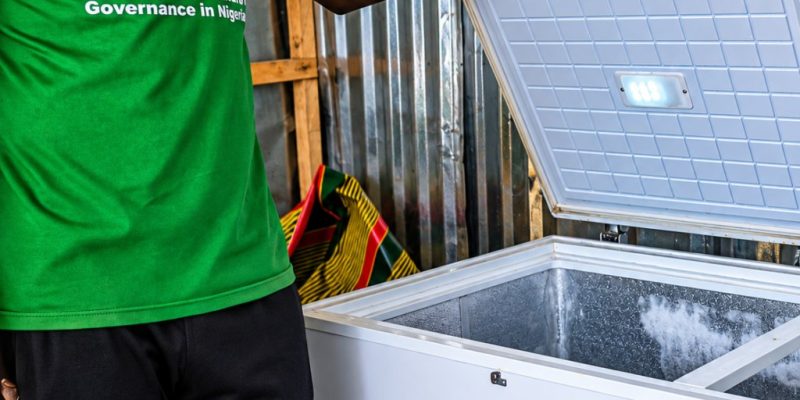
The Nigerian Conservation Foundation described the installations on November 19, under its Catalyzing Local Action for Climate Justice in Nigeria project. At Oyorokoto, in Andoni Local Government Area of Rivers State, the work provided two deep freezers, eight solar panels and the accessories to run them. A second facility went into Okuntu Fishing Settlement, inside Ogulagha Community in Burutu Local Government Area, Delta State. Forty women use each one, eighty in total.
Why a freezer is a conservation project
The connection is firewood. A catch that cannot be chilled has to be sold immediately or preserved, and the traditional preservation method on this coast is smoking, which burns wood. In communities ringed by mangrove, that demand lands on the mangrove.
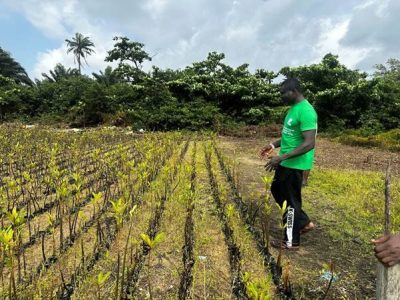
The foundation makes the link explicitly: demand for firewood “can place additional pressure on surrounding mangrove and forest resources,” and cold storage offers a way to preserve fish “without relying exclusively on firewood-dependent smoking methods.” We covered the other end of that same ledger two days ago, when the same foundation replanted 23 hectares of mangrove across Rivers and Bayelsa states. A freezer that keeps a family from cutting a mangrove is doing the same work as a seedling, earlier in the chain.
What the storage changes about selling
The problem it solves is not spoilage alone. It is the loss of bargaining position that spoilage creates. A fisherman whose catch is deteriorating has to accept whatever is offered that day.
Chief Dickson Amansa, the Oganma of Amansa in Oyorokoto, put it plainly. “We are a fishing community, and oftentimes our catch goes to waste because there is nowhere to store the fish. We also make losses because we have to sell quickly before the fish spoils. Since NCF brought the freezers, we have been able to preserve our fishing produce,” he said.
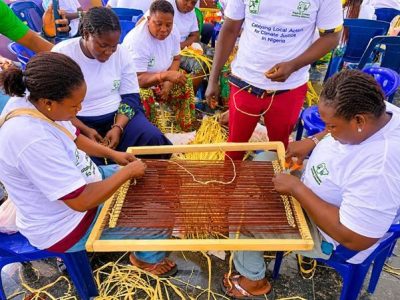
Sylvanus Ananinanse, a member of a local cooperative society, described the effect further along the chain, where men fish and women buy, process and trade the fish, crayfish and prawns, giving work in turn to people who dry, package and prepare produce for market. “The freezers NCF brought have reduced the rate at which our fish gets rotten. We can now preserve our fish for longer, sell them and also keep some for our families. This has made a real difference to our fishing activities.”
Who owns the freezers
This is the part that distinguishes the intervention from equipment delivery. The foundation did not retain the facilities. It handed them to women’s organizations in each community, which oversee their use. The communities themselves set the charge for preserving fish, scaled to the quantity stored and measured in kilograms, and the proceeds stay in the community, paying for maintenance and other community activities.
That arrangement answers the question every donated machine in a remote place eventually raises, which is who pays when it breaks. A freezer with a revenue line attached to it has a maintenance budget. A freezer without one has a shelf life.
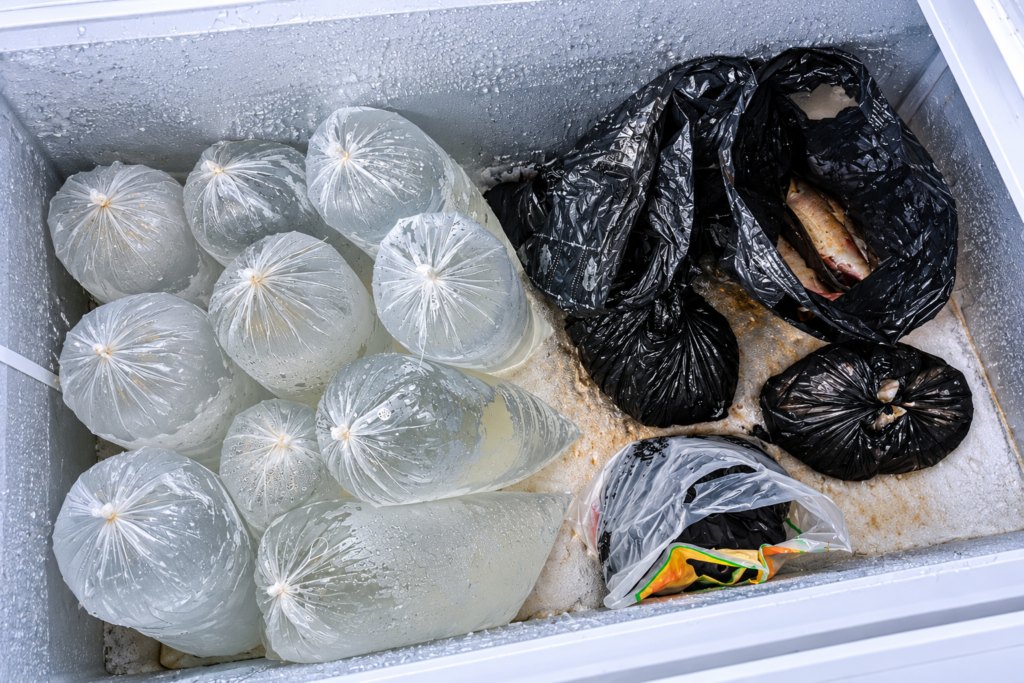
At Okuntu the facility has found a second use its planners can take some credit for. It produces ice blocks, which fishermen buy before setting out on longer trips, so the catch is kept cold at sea rather than only after landing. One piece of shared infrastructure now serves both ends of the same working day.
Which zoos or aquariums are behind this
None that we could verify, and we looked. The project’s named funder is the Ford Foundation. The foundation’s own partnerships page names IUCN, WWF, the RSPB and BirdLife International among its global conservation partners, and no zoo, aquarium or zoological society appears on it. We checked the zoos’ side too, which is usually the side that publishes a gift, and found nothing connecting an accredited institution to this work.
That is worth stating rather than skipping. The American Zoo and Aquarium Association reports that in 2025 its 235 accredited and certified facilities spent roughly $372.4 million on conservation across 139 countries, and a great deal of African field conservation runs on exactly that money. This is not one of those projects, and saying so is more useful than implying a connection that is not there. The same trace at the same organization has come back the same way on its nypa palm weaving training and on the mangrove replanting.
A note on the project’s name
The foundation spells this project two ways on its own website. The page describing the cold storage calls it Catalyzing Local Action for Climate Justice in Nigeria; the page describing the palm weaving training, published two days earlier, calls it Catalysing. We have printed each page’s own spelling as we found it.
Quick answers
- What was installed, and where?
Solar-powered cold storage in two Niger Delta fishing communities. Oyorokoto, in Andoni Local Government Area of Rivers State, received two deep freezers, eight solar panels and the accessories to run them. A second facility was established at Okuntu Fishing Settlement, inside Ogulagha Community in Burutu Local Government Area, Delta State.
- Who uses and manages the freezers?
Forty women at each location, eighty in total. The Nigerian Conservation Foundation handed the facilities to women's organizations in each community rather than keeping them. The communities set the charge for preserving fish by the kilogram, and the proceeds stay locally to maintain the freezers and support other community activities.
- What does cold storage have to do with conservation?
Firewood. Fish that cannot be chilled is traditionally preserved by smoking, which burns wood, and in coastal communities that demand falls on mangrove and forest. The foundation presents the freezers as an alternative that reduces reliance on firewood-dependent smoking.
- Which zoos or aquariums fund this work?
None that we could verify. The named funder is the Ford Foundation, through the Catalyzing Local Action for Climate Justice in Nigeria project. The foundation's own partnerships page names IUCN, WWF, the RSPB and BirdLife International, and no zoo, aquarium or zoological society appears on it.