
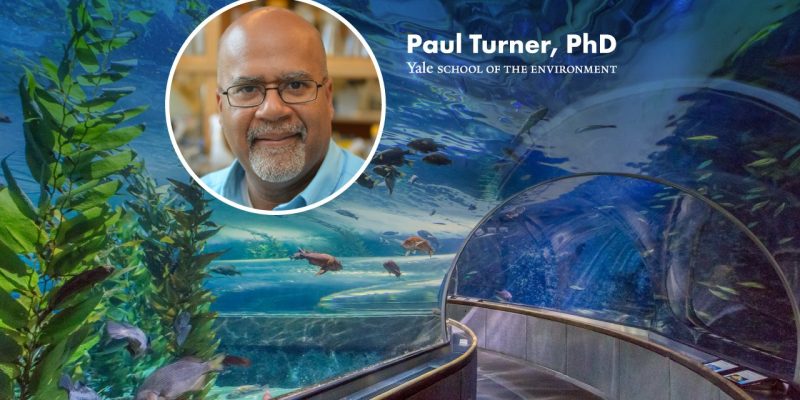
Aquarium of the Bay is starting a research collaboration with the Yale School of the Environment aimed at pollution in San Francisco Bay, built around an asset most aquariums do not have: unfiltered water straight out of the estuary.
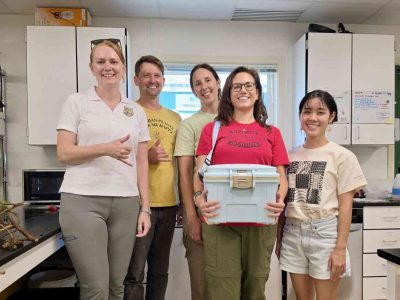
Paul Turner, an evolutionary biologist at Yale, visited the Embarcadero aquarium on May 29, 2025 to tour its animal care operations and meet the staff. Turner’s work is in phage therapy and microbial ecology, which is a less obvious fit for an aquarium than it first appears.
What the aquarium brings
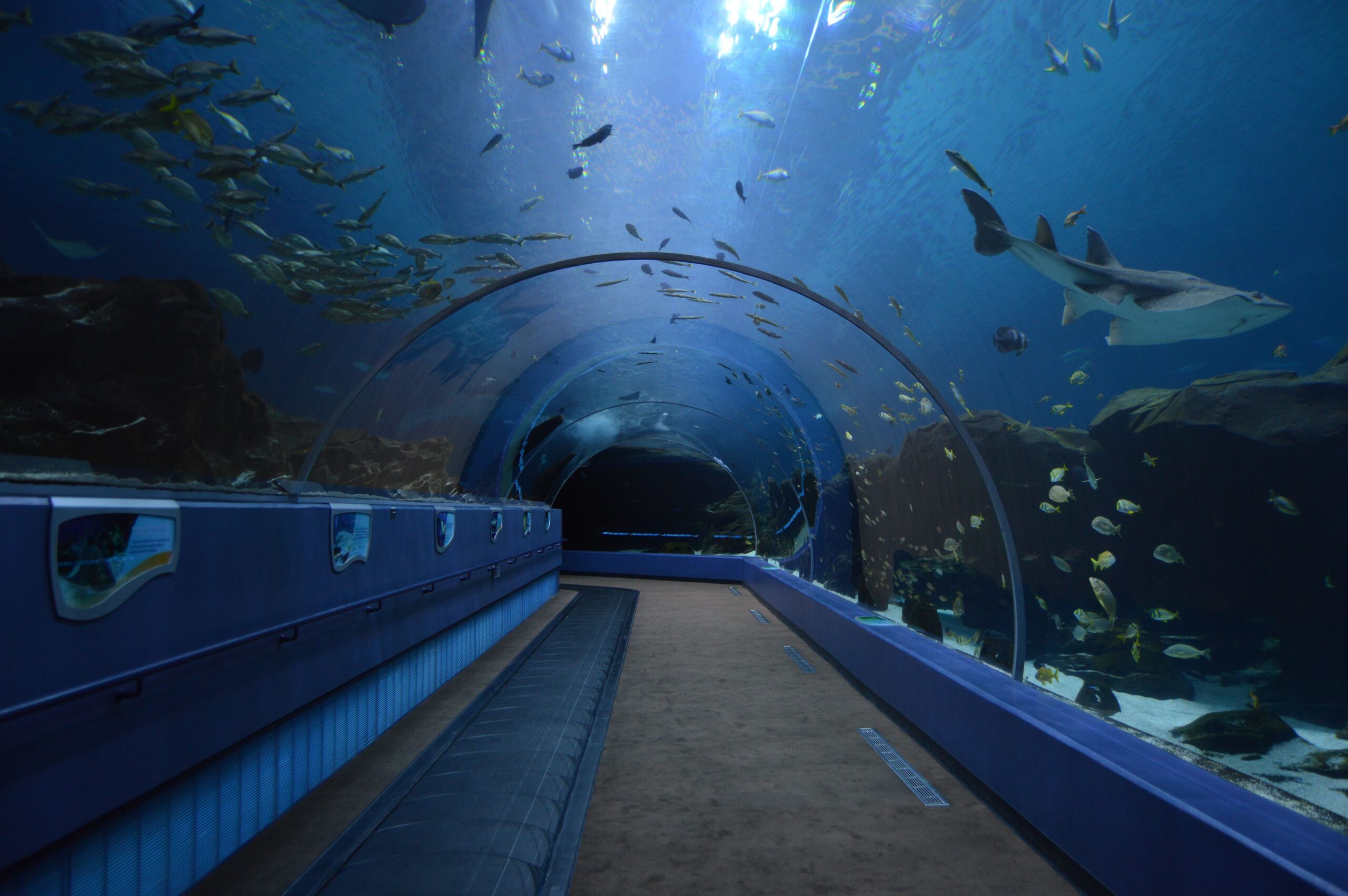
The facility pumps raw seawater from the largest estuary on the West Coast of the United States. Whatever is in the bay on a given day is in the aquarium’s system on that day too, which makes the building a continuous sampling point rather than a closed exhibit.
Its underwater tunnels are among the largest anywhere, and they give researchers a viewing platform on animals in that same water.
What they intend to study
The initiative is focused on human-caused pollution, with San Francisco Bay as the case. Three lines of work are named: bioaccumulation, chemical pollutants and overall ecosystem health.
Marine microbiology sits underneath all three, which is where Turner’s expertise comes in. Microbes are the first thing in an estuary that a chemical load acts on, and reading that layer is a different kind of measurement than counting fish.
The aquarium has described the visit as the beginning of the collaboration rather than the announcement of a finished program, with projects to follow.