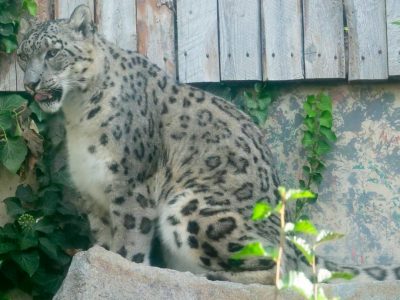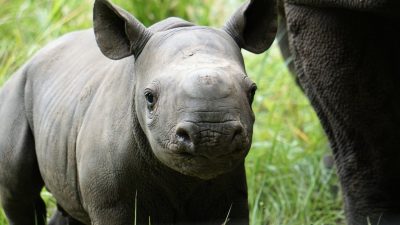

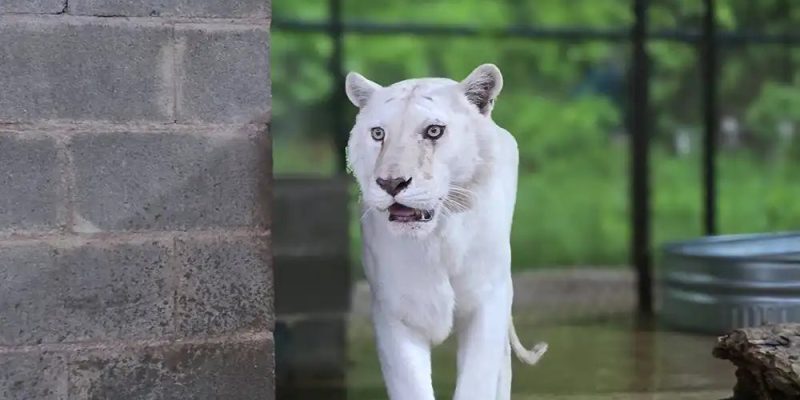
In-Sync Exotics Wildlife Rescue and Educational Center took in 22 animals over ten weeks this spring: 17 from a private facility in Amarillo, and five more from a Nevada sanctuary that has now closed.
The Wylie, Texas, sanctuary announced the first group on April 6, 2026. Three tigers, four lions and ten lemurs had arrived at the end of March. In-Sync held the news until every animal had been examined by veterinary staff and given time to settle.
“Our first priority is always to ensure they feel safe, secure, and properly cared for,” said Vicky Keahey, the sanctuary’s founder and president. “We’re happy to say they are settling in well, and our team is getting to know their individual personalities.”
Twenty-five years of relationships
The Amarillo transfer was not an emergency seizure. It came out of a relationship Keahey had built with the private facility’s owners over several years, which is a different kind of sanctuary work than the surrender calls that arrive with no warning.
“We’ve known this family for some time and share a mutual goal of ensuring the animals receive the best possible care,” Keahey said.
In-Sync has been operating for 25 years. It receives no federal, state or local funding and runs on donations, sponsorships and community support. Large cats are among the most expensive animals a sanctuary can commit to: specialized diets, veterinary care and habitat maintenance, for the life of the animal.
A sanctuary closes in Nevada
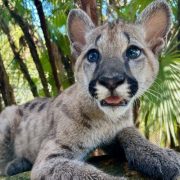
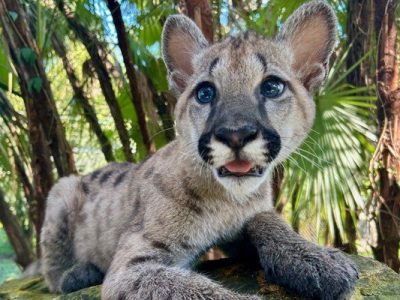
On June 9 the sanctuary announced a second arrival, this one from Safe Haven Wildlife Sanctuary in Imlay, Nevada. Two caracals, two cougars and one tiger made the trip to Texas.
Safe Haven had been accredited by the Global Federation of Animal Sanctuaries since 2013 and housed exotic cats, bears and canids. It ended operations after its aging founders were unable to find anyone to take it over. A second In-Sync transport team helped move several of the remaining animals to the Exotic Feline Rescue Center in Center Point, Indiana.
“While the closure of any sanctuary is heartbreaking, we are grateful to help ensure these animals remain safe, healthy, and well cared for,” Keahey said.
Why placements like this are hard
An accredited sanctuary that closes has to find homes that meet the same standard it held itself to, for animals that in many cases cannot be moved quickly or housed together. The animals from Safe Haven had already been rescued once. Every one of them needed a facility with the right species experience, the right space and a commitment measured in decades.
“We are honored to provide these animals with a permanent home and continue the care they have received since their initial rescue,” Keahey said. “Their team worked tirelessly to place the animals responsibly, and we are committed to honoring that trust by providing exceptional lifelong care.”
Every animal that arrives at In-Sync stays for life. That is the commitment the sanctuary makes on intake, and it is why 22 arrivals in ten weeks is a larger number than it looks.